
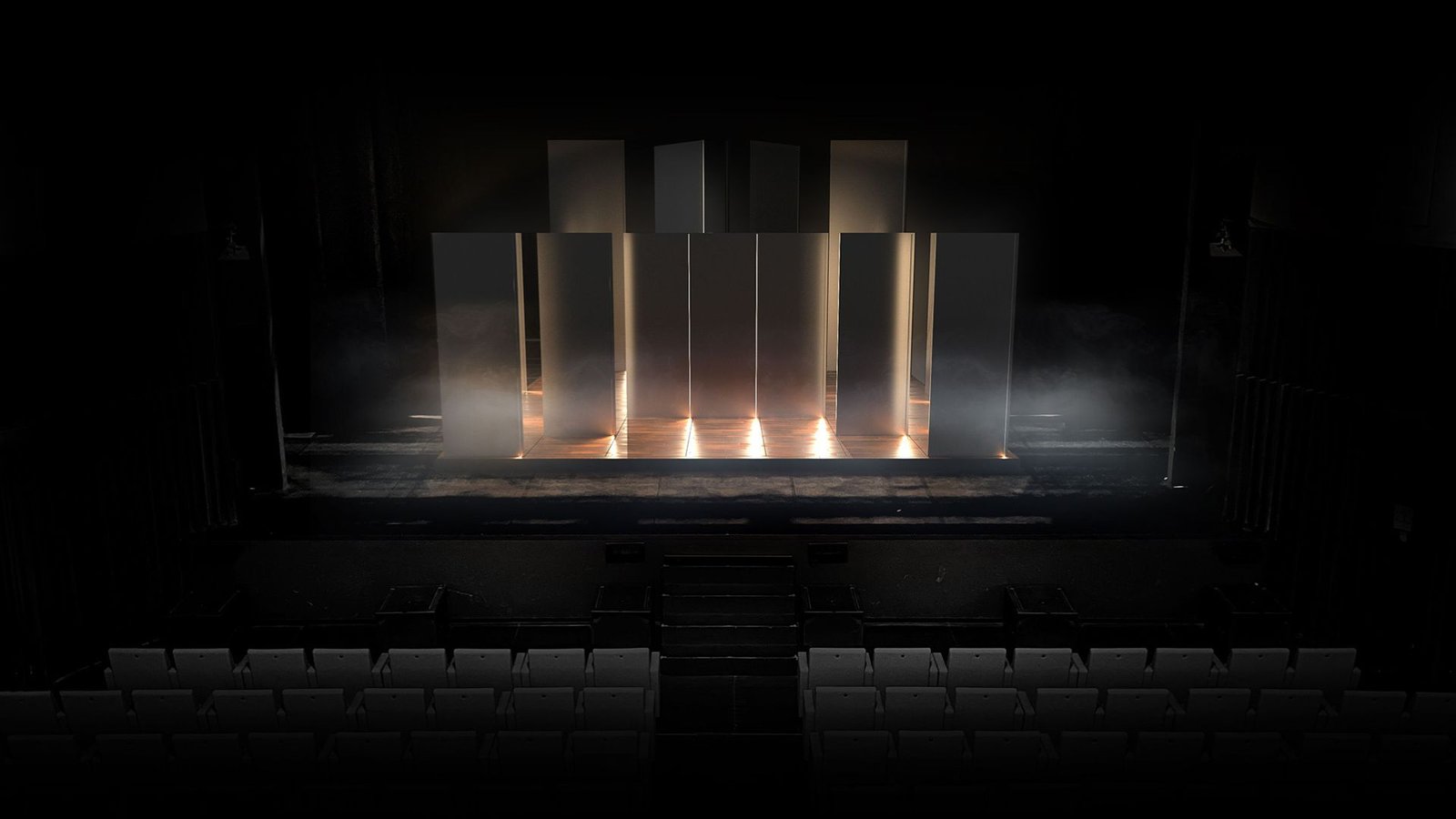

At Milan Design Week 2026, HYLEtechthe technology company born from Luce5‘s thirty years of lighting experience, presents Light in Matter. Variations on the theme of architecture at the Teatro dell’Arte of the Triennale Milano, which will run from April 20 to 26. The project brings together six internationally recognized architectural studios, Tumertekin Architects, Archea Partners, Laboratories, EDGE Design Institute, Francisco Mangadoand Emmanuel Garganoeveryone is invited to develop an installation in response to a keyword derived from contemporary architecture: atmosphere, subtlety, infinity, connections, sustainability and revolution.
Each day of the week, a studio will present its work in a format that combines installation, workshop and public debate, a program curated by Luca Molinari Studio and accredited by the Order of Architects.
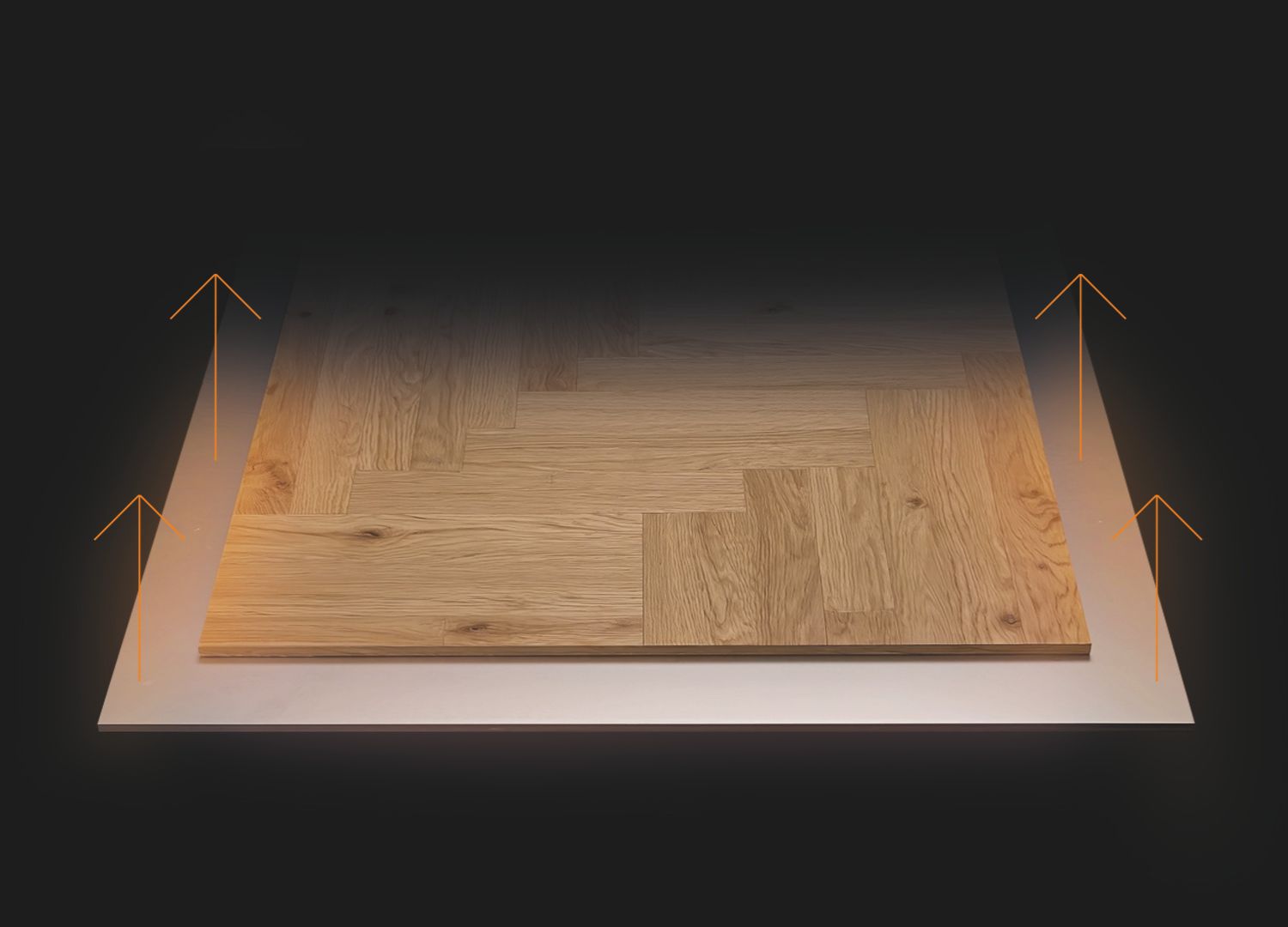
NEX-S Heat © HYLETech

Light in matter © HYLETech

NEX-S Audio © HYLETech
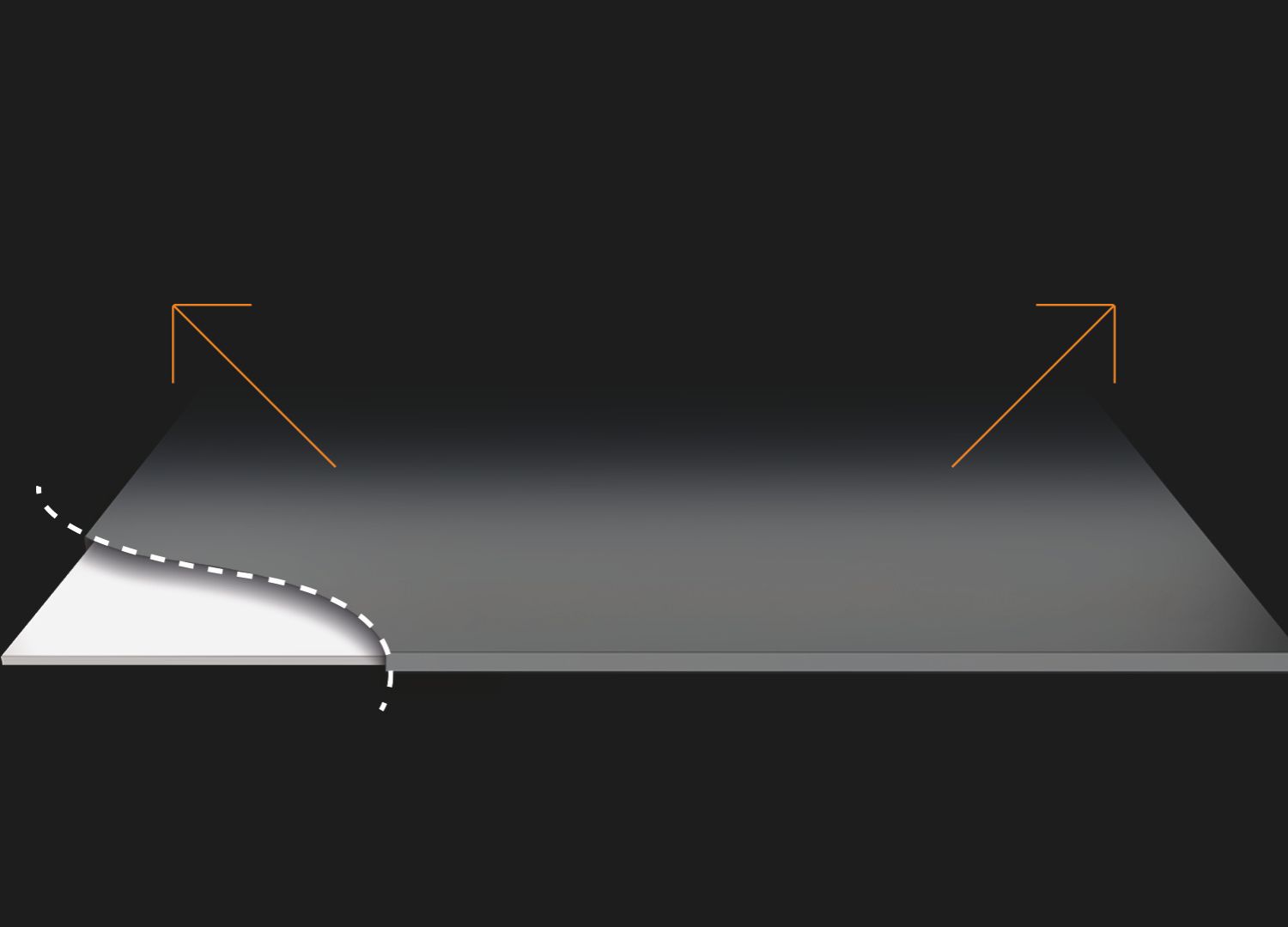
NEX-S Isolant © HYLETech

NEX-S Phono Absorb © HYLETech
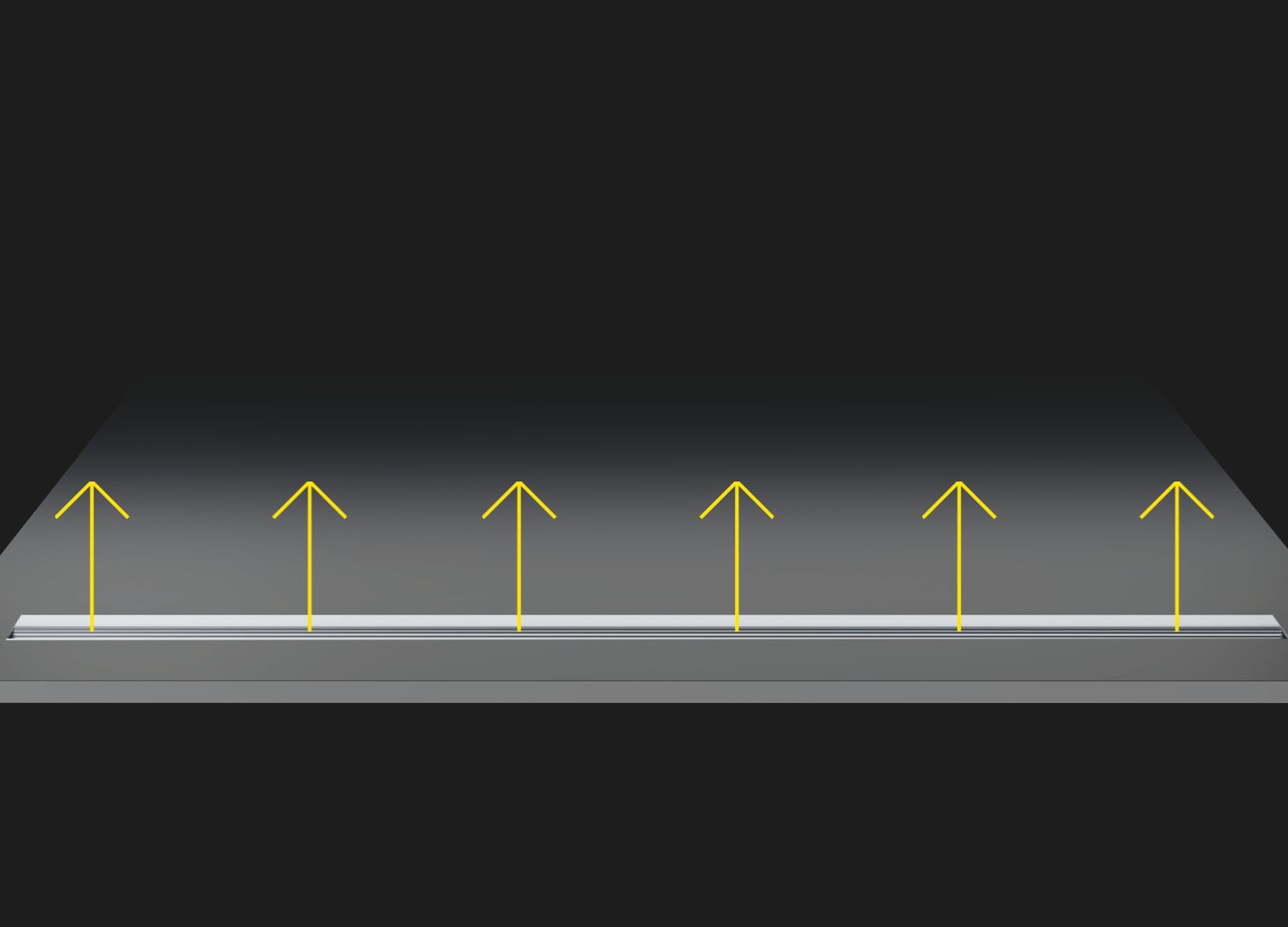
NEX-S Light © HYLETech

NEX-S Phono Isolant © HYLETech
At the heart of the project is HYLEtech’s structural panel system: a recycled aluminum surface integrated with the modular NEX-S platform, which integrates lighting, thermal insulation, acoustic control, radiation and invisible sound in a wall between 1 and 2 centimeters thick. The system is the product of seven years of in-house research and development Hyletech5 Holdingthe industrial group that gathers Luce5 and HYLEtech under a single structure. This year’s design week marks the extension of this inquiry from the scale of objects, presented at the 2025 Triennale, to architecture, asking what it means for a building surface to become an active infrastructure.
In the panel technology, each function corresponds to a module: NEX-S Light, Isolant, Phono Absorb, Phono Isolant, Heat, Audio, and each can be deployed independently or in combination. The NEX-S Light unit, whose custom black optics are designed by Luce5, delivers 18W per meter, 1440 lumens per meter and CRI 93 with no visible source, no polycarbonate diffuser and no exposed wires. NEX-S Isolant, based on airgel technology, achieves a thermal conductivity of 0.016 W/mK, making 1 cm as effective as 4 cm XPS.
What distinguishes the presence of HYLEtech in Milan Design Weekhowever, is not a product launch but a curatorial ambition. The exhibition venue is the Teatro dell’Arte, in the Palazzo dell’Arte, a 1933 building by Giovanni Muzio that forms the institutional core of the Triennale Milano. Curated by Luca Molinari, the project aims to turn the Triennale into a platform for confrontations between designers, company and research.
There with Tümert of Tümertekin Architects will present a work around the theme of atmosphere, with an installation that escapes a moment of everyday urban observation, to reflect on the design process as a dynamic of subtraction rather than addition, through solutions that emerge by constantly adapting to changing conditions rather than imposing a fixed response. Laboratories (Maria Claudia Clemente and Francesco Isidori) treats thinness, treating it not as a dimensional property but as a spatial condition, the surface becomes a threshold, an intermediate zone of connection.

Marco Casamondi of Archea Partners it responds to the infinite, understood as a continuous tension between measure and openness, not as an absence of limits. Gary Chang of EDGE Design Institute takes connections as a prompt, exploring it as a generative principle in which functions, elements and systems are integrated into adaptive configurations that reflect the dynamics of compact living and dense cities.
Francisco Mangado addresses sustainability through the concept of economy as a relationship between means and results, where technological integration and reduction of elements become instruments for an architecture that is more substantial and conscious. Last but not least, Emmanuel Gargano closes the week with revolution, a reflection on surface as a functional element in which functionality turns materials from passive elements into active devices.

The form itself is an argument about the process, with the focus of the exhibition changing every day. Every evening, the Teatro dell’Arte hosts the installation of an architect’s work in a way that is open to visitors. assembly itself becomes a performative act, making the design process legible and not just its end result. Each installation is then closed with an accredited workshop followed by a public dialogue between the invited designer and Luca Molinari.
In the foyer, the project extends to an application dimension, where HYLEtech presents the system in its embedded reality. Here, the company also announces an important new partnership with Listone GiordanoItaly’s leading producer of engineered wood floors, combining technological research and timber culture in what both companies describe as a common development platform. The first material expression of this collaboration is a work designed by Emanuel Gargano for Listone Giordano, a modular system inspired by the Fibonacci sequence and the golden section, which creates dynamic spatial configurations between floor and wall.
In a similar way to the other project, the mockup is presented not as a final product, but as a first field of experimentation, a prototype of what hybrid surfaces could look like when wood cultivation and aluminum technology find a common grammar.
While during Milan Design Week, most companies focus on creating scenographic installations designed primarily for social media, HYLEtech and Luce5 they have chosen one of the city’s most intellectual architectural spaces to show how it works in a different register. It is a company that suggests, through six installations, a curated daily program and a program of professional workshops, that the question of where technology lives in architecture is one of the defining questions of this era. The six architects and their six answers, from Istanbul, Rome, Florence, Hong Kong, Pamplona and Milan, suggest that this question looks different depending on where you are, and there is no single architectural answer to it.
The general assertion of Light in Matter concerns the future. If the previous phase of the project worked for the invisible systems infrastructure, this one suggests a further step, not hiding technology in matter, but absorbing it into matter until the two collide. For architects working within renovation constraints where every centimeter of additional thickness comes at a cost, a system that offers thermal insulation, acoustic control and more in less than two centimeters of wall has implications that go far beyond aesthetics.



