
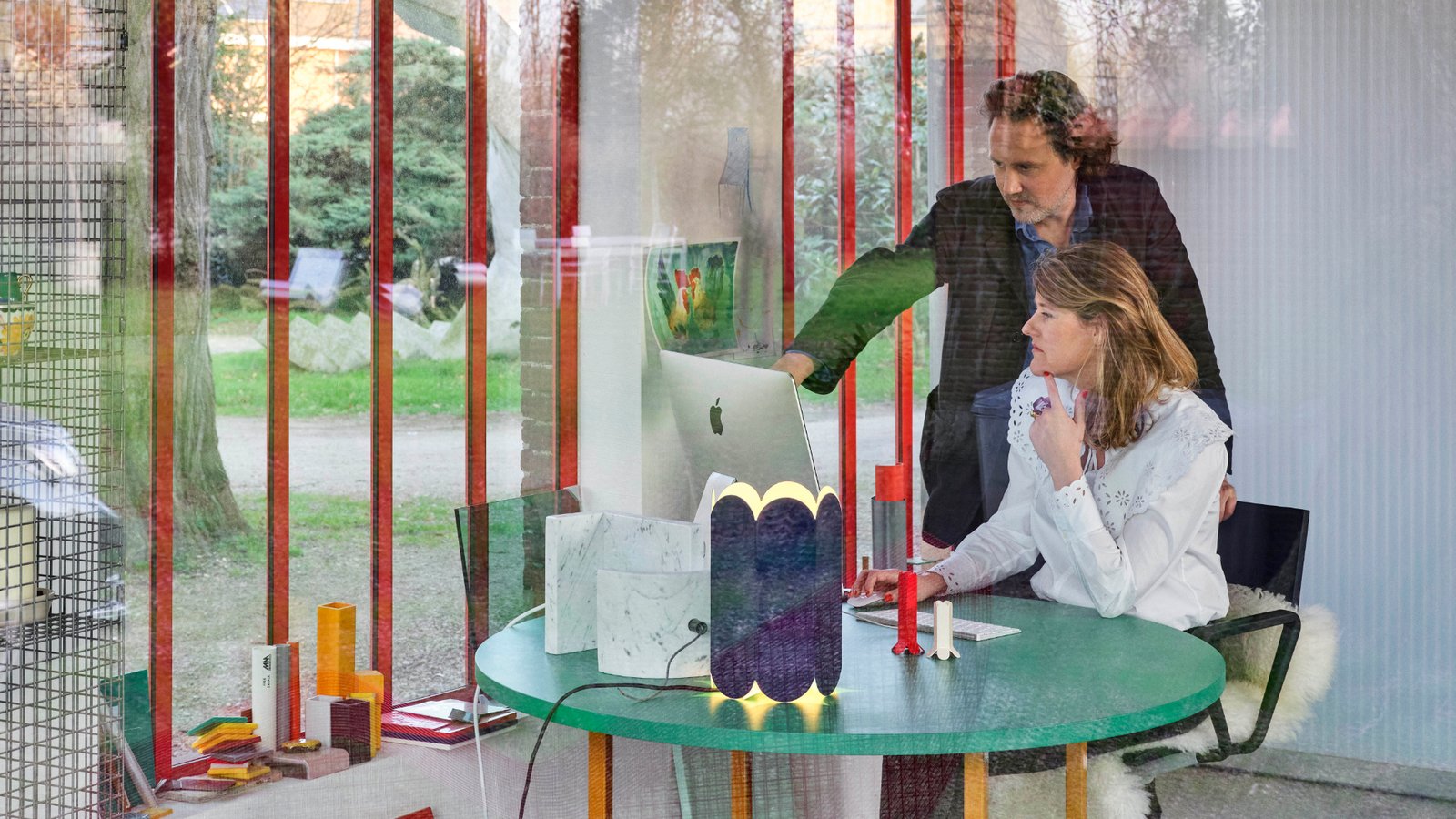

When we look at his work Muller Van Severenit’s easy to fall into the trap of just labeling it as “minimalism.” But their approach is fundamentally different from the problem-solving mindset taught in traditional design schools, which draws on a background in photography and sculpture that allows Fien Muller and Hannes Van Severen to bypass academic constraints.
Prioritizing the emotional and physical presence of an object over clinical ergonomics, they have created their own language of functional sculptures, pieces that define space through void volumes and geometric rigor. This philosophy has not only conquered the gallery world, but has successfully evolved into a global industrial model through a strategic partnership with Hay, proving that even the most conceptual vision can become a functional tool for the domestic market.
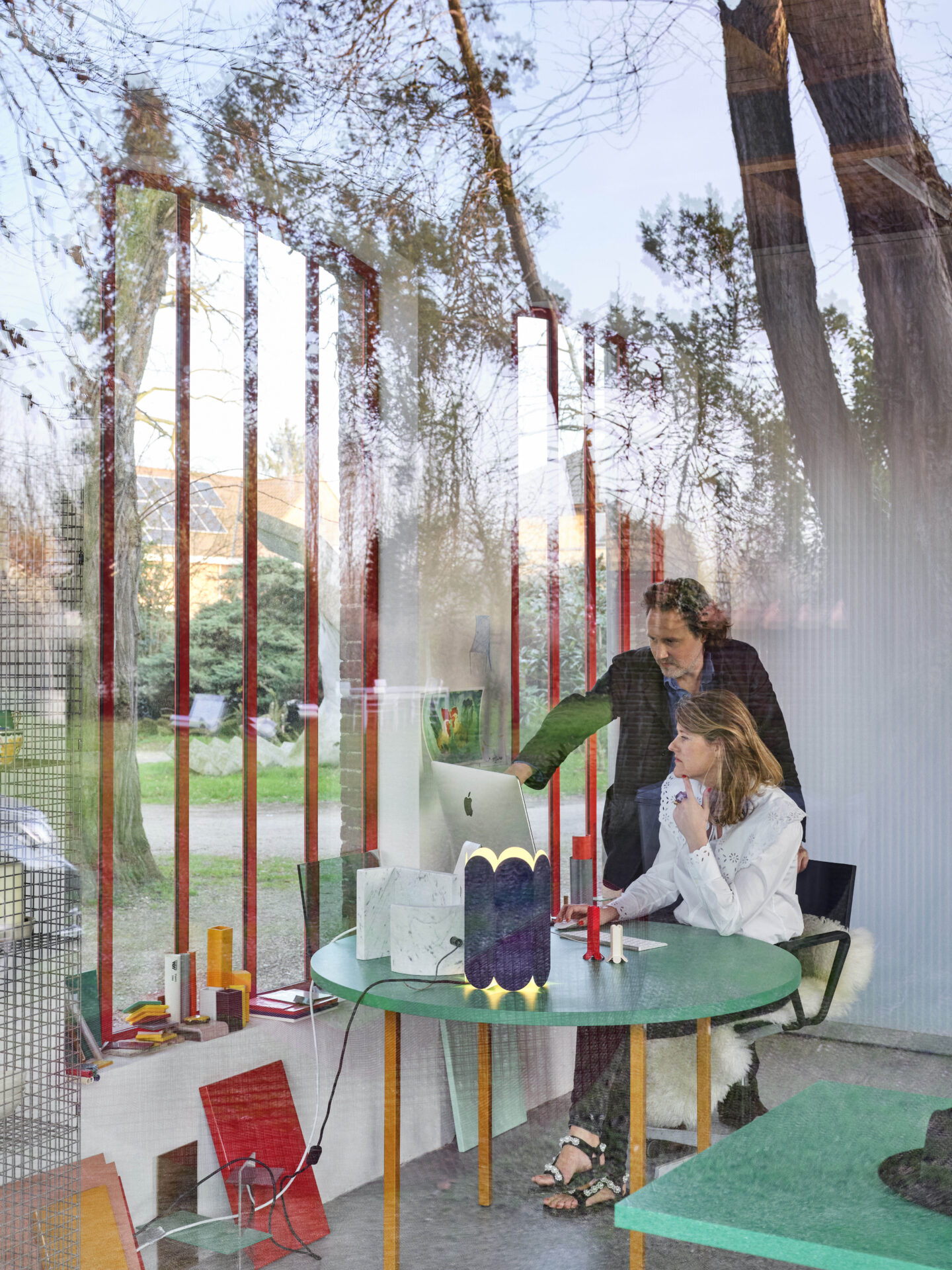
Fien Muller and Hannes Van Severen, © Frederik Vercruysse

Wire S, © Fien Muller

Arcs for Hay at Atelier in Beelden © Frederik Vercruysse
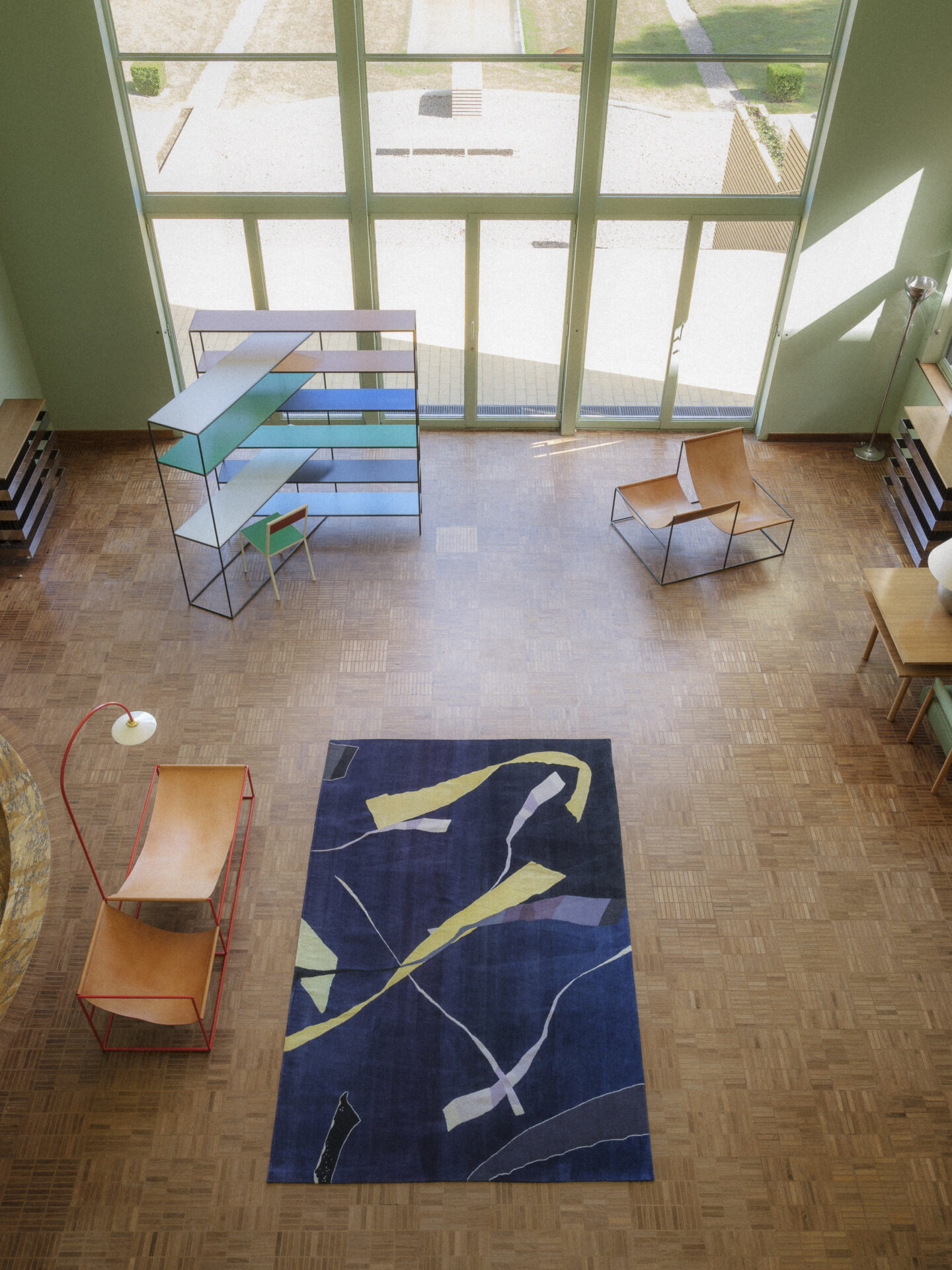
Future Primitives, © Frederik Vercruysse

Bridges for Bd Barcelona, © Nacho Alegre
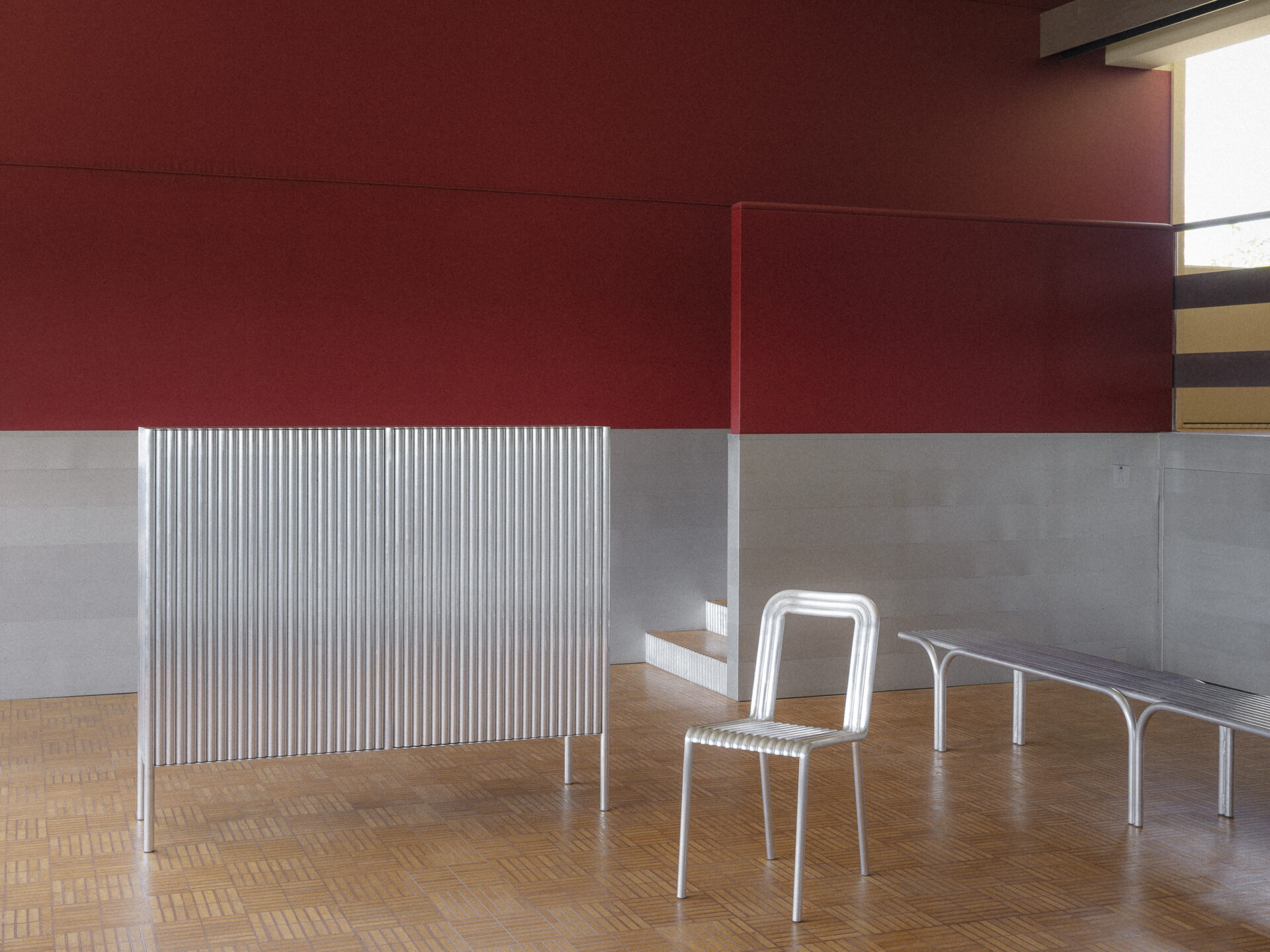
AllTubes, © Frederik Vercruysse
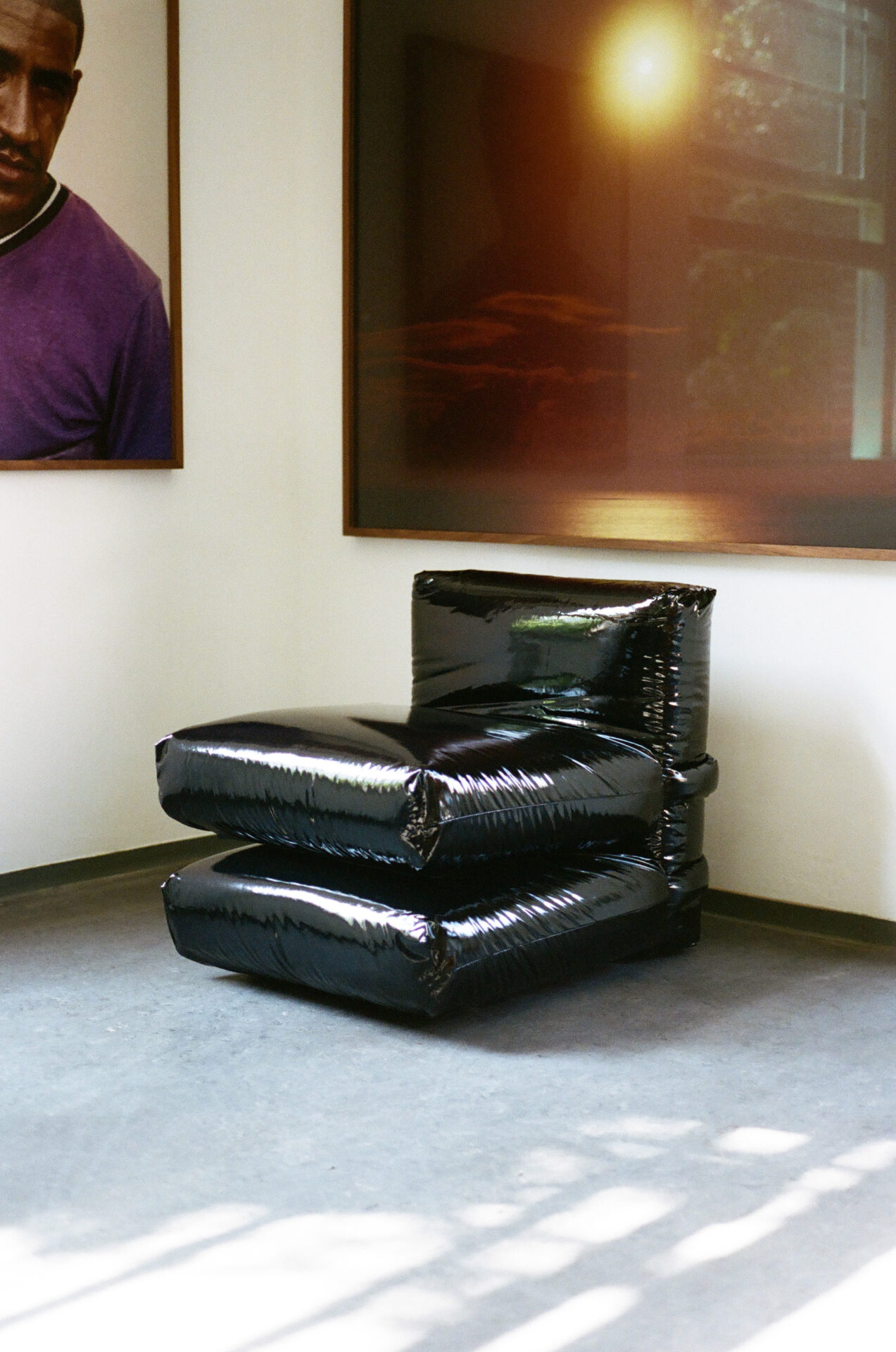
Lacquered Pillow, © Muller Van Severen

Muller Van Severen with the Silhouette Collection © Rosanne Van Severen
Design genesis
Founded in 2011, the studio was born out of a need for creative autonomy rather than a response to market demand. Coming from the world of fine art, Fien and Hannes did not start their journey by asking what the user needs. they started by asking what the space required. this”art firstApproach is their greatest strength. In their Evergem studio, design is approached as an ongoing investigation into how an object occupies a room, almost as if it were a static inhabitant.
It is this introspective starting point that gives their work such a raw, authentic soul. They don’t design for a specific demographic. they design to create their own aesthetic and structural curiosity. Without commission, an authenticity that makes Muller Van Severen relevant. They remind us that the most successful design philosophies are often those that don’t try to please everyone, but instead offer a strong, uncompromising vision that people can’t help but be drawn to.

A sculptural process
The evolution of their work is a process of extreme filtering, a method that could be described as curating creative bursts. They operate with a logic of wild-minimalism: it is not the minimalism of silence, but the minimalism of character. Their method revolves around exploring a single concept and pushing it to its logical, and often structural, conclusion.
Unlike many modern studios that rely heavily on digital rendering, the duo spends a huge amount of time prototyping in-house. This natural research is perfectly integrated into the Alltubes collection. Here, the “tube theory” is pushed to its limits: the chairs and cabinets are formed by a rhythmic repetition of aluminum tubes, where the structure itself becomes the shape. There are no visible joints. The object exists as a single, repeated gesture. This same logic applies to the Wire collection, where a simple stainless steel mesh supports the transparent weight and remains transparent to the air.

The geometry of space and the industrial scale
The result of this rigorous process is a catalog of objects that act as architectural landmarks. Their pieces are characterized by a “full and emptyduality: they occupy a large volume of space, but because they are composed of thin lines and transparent grids, they never clutter the visual field. This is achieved through a strategic use of materials and shapes, often combined in unexpected, high-contrast ways that challenge our perception of “noble“against”industrial” surfaces.
The most important development of this philosophy is the collaboration with the Danish brand Hay.
For a brand synonymous with democratic, accessible design, Muller Van Severen offered a correspondence between their approach and the everyday home. The Color Cabinet is a prime example of this: it takes their sculptural approach and simplifies it for industrial viability and everyday use, and with Hay providing the strategic framework – shipping, assembly and cost optimization – while maintaining conceptual depth. This synergy proved that sculptural pragmatism is not just an artistic statement. is a viable theory that can bring “gallery-tierDraw in the living rooms of a global audience without losing its poetic edge. An approach that lives in collaboration with brands brave enough to explore different paths.
The poetry of duality
Muller Van Severen taught us that the boundaries between fine art and industrial design are increasingly porous. This sense of duality is the invisible thread that connects their collaboration, their conceptual research and their industrial production. It is the result of two minds forming a unique vision where opposing ideas, such as physical presence and visual absence, coexist in perfect tension. By creating objects that dominate a room out of empty volumes, they successfully brought an uncompromising artistic soul to the industrial world, proving that a rigorous creative theory can thrive in the logic of global brands.

15 years of practice, a lot of work
This sculptural journey is currently reaching a major milestone with “Silhouettes: Celebrating 15 years”, exhibition and monograph presented from April 18 to 26 during the Milan Design Week 2026. Created in collaboration with Apartamento and Tim Van Laere Gallery, the work at Ordet acts as a retrospective prism. The exhibition features fifteen unique, life-sized aluminum candlesticks that reinterpret the duo’s recurring motifs – from chairs to vases – through a unique, uniform material.

If you enjoyed this article, we’ve explored design theories from the best designers in the world. Check out our articles on Daniel Rybbaken, Bidder or Michelle Charlot.



