
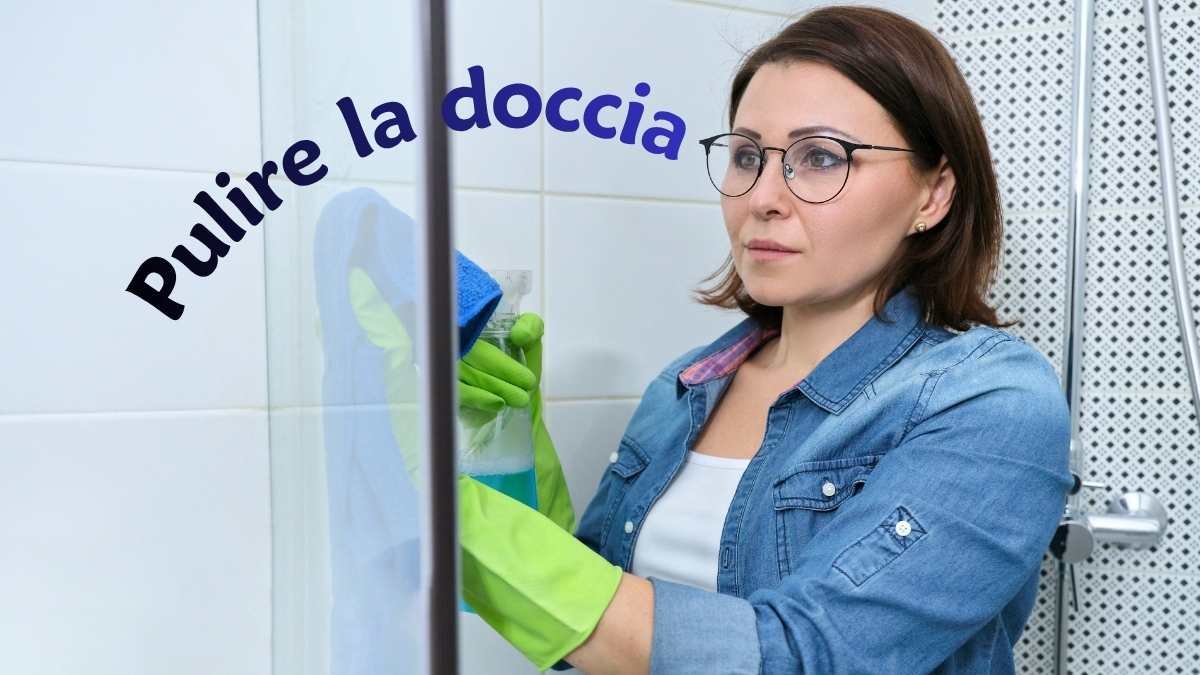

The shower is never really “dirty” in the classic sense of the term, but it doesn’t take much to make it look neglected. Marks on the glass, limescale that dulls the taps, grouts that change color, silicone that loses its freshness. They are small details, but they are immediately visible and lower the perception of the entire bathroom.
The problem is that we often intervene in the wrong way, using aggressive products or cleaning without precise logic. The result is that you work harder and achieve less. Re-shining the shower does not require complicated interventions, but targeted actions at the right points.
Glass: when it is opaque it is not dirty, it is salts
The shower glass almost always loses its luster due to scale. It is not a surface patina that goes away with any detergent, but a deposit that forms over time. To really remove it you need an acidic product, even a simple one like a vinegar or citric acid based solution.
Applied to the glass and left on for a few minutes, it dissolves the salts without much scrubbing. The difference is immediately visible when rinsing: the glass becomes transparent again and the light passes through again. The point is not to insist by force, but let the right product work.
Faucets: the detail that gives it all
Even when the rest is clean, dull or stained faucets immediately give off a sense of neglect. Here the problem is twofold: salts and water residues. Cleaning them quickly is not enough. You must first dissolve the salts and then dry well. When the surface remains wet, the marks immediately form again.
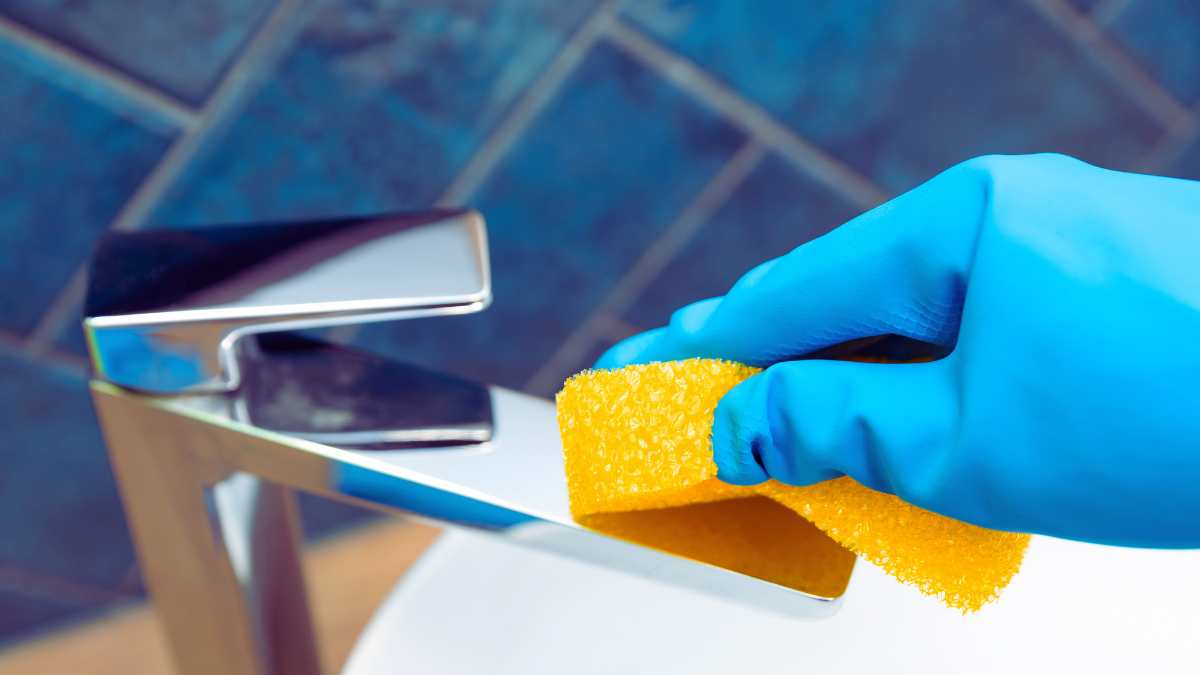
After cleaning, wiping with a dry cloth completely changes the result. The metal becomes shiny again and reflects the light, giving an immediate impression of class.
Escapes: the most underrated point
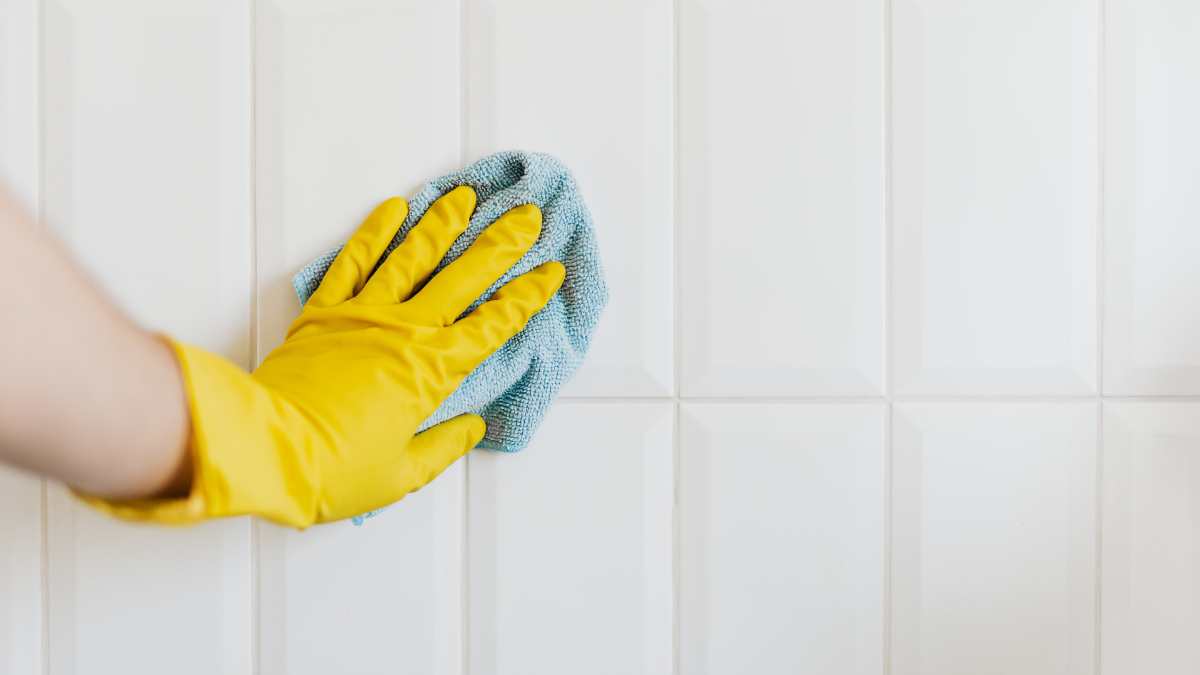
The joints between the tiles do not darken due to surface dirt, but due to accumulation over time. Cleaning them quickly does not solve the problem. More precise intervention is needed, using a slightly abrasive paste or specific productworked with a toothbrush. It is not a matter of strength, but of focused persistence. Once cleaned, the whole shower changes its appearance, because the lines become clean and defined again. It’s one of those details that makes more of a difference than you think.
Shower tray: watch out for invisible residue
The shower tray may look clean, but often a patina remains due to soaps and detergents. This slightly matte surface traps dirt and removes shine. UEffective cleaning requires a light degreasing product, followed by copious rinsing. And here the drying at the end makes the difference. When the surface remains completely clean and dry, it immediately appears more even.
Silicone: when it’s no longer white, everything changes
The silicone along the edges is one of the first elements to wear out visually. When it loses color or becomes slightly dark, the entire shower looks less well-maintained. If the problem is superficialyou can intervene with specific products to disinfect and lighten it. If, however, it is badly damaged, the best solution is to replace it. It’s a simple intervention, but it has a huge impact on the final result. A clean and uniform silicone restores order to the entire structure.
The habit that avoids all others
The real change is not just in cleaning, but in what you do immediately after showering. Water remaining on surfaces is the main cause of streaks. Running a mop over the glass and a quick cloth over the faucets takes a few seconds, but prevents scale build-up. It is not a complete cleaning, but a gesture that maintains the result over time. When this habit becomes automatic, the shower stays sparkling much longer without the need for heavy interventions.



