
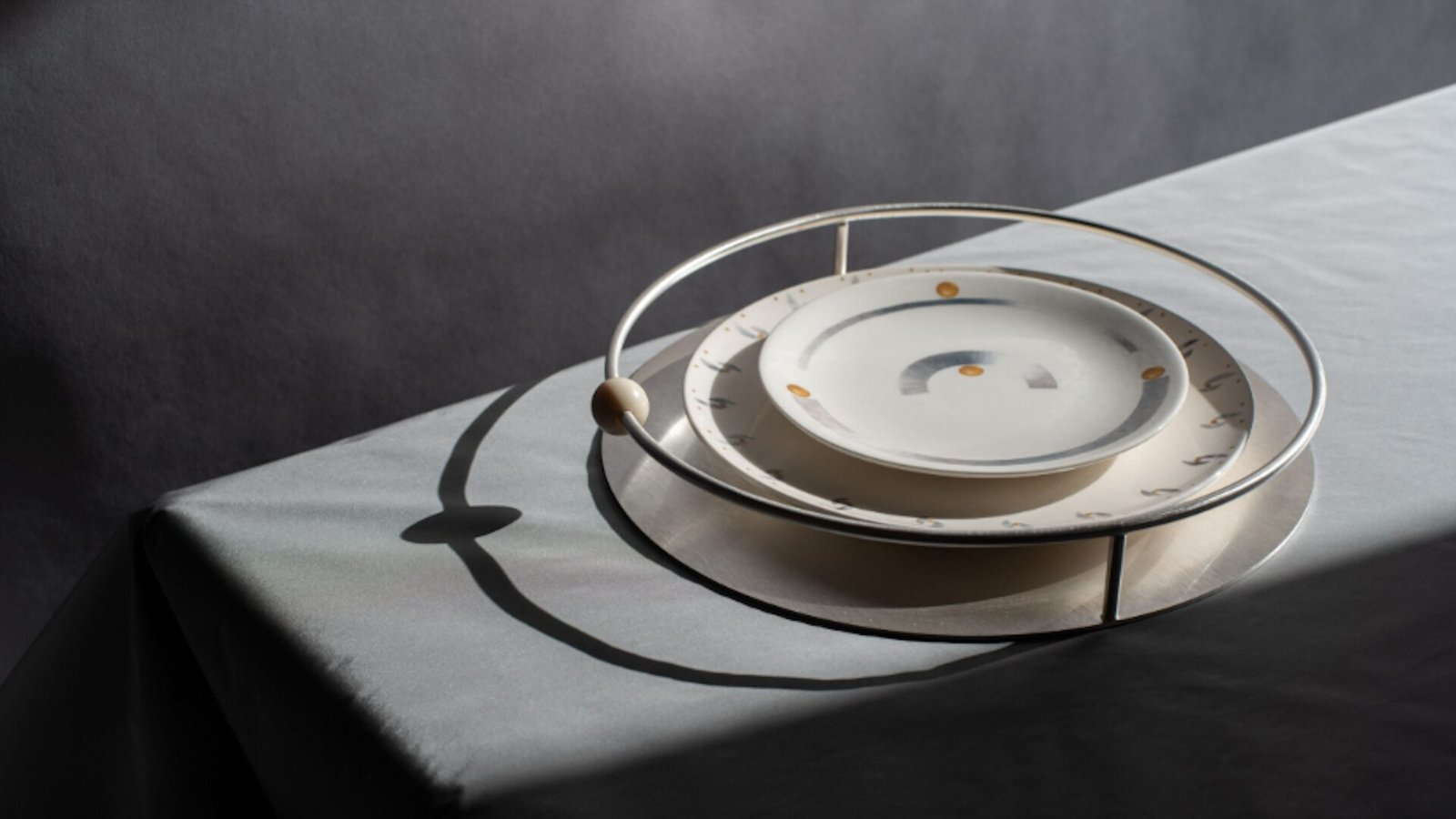

Some partnerships work not in spite of their differences, but because of them. Metalia – the new collection developed by Paravicini Laboratory and Natalia Kriado – is just that kind of project. Ceramic and metal, painted surface and sculpted volume, tradition of Milanese craftsmanship and geometry with a Colombian slant: the tension between these elements is not accidental. It’s the bottom line.
Natalia Criado has spent years working around a precise idea – that the everyday object deserves the same formal rigor as jewelry or sculpture. Born in Colombia and trained in industrial design at IED in Milan, her practice moves at the intersection of two cultural legacies: the pre-Columbian volumetric tradition and the Italian savoir she absorbed during its formation. Her brass, silver metal and aluminum objects are assembled, welded and finished by hand in Italy in collaboration with expert craftsmen. The results are pieces of essential geometry – considered, calibrated, precise in the way things are when one has carefully considered both their form and the gesture of the wearer.
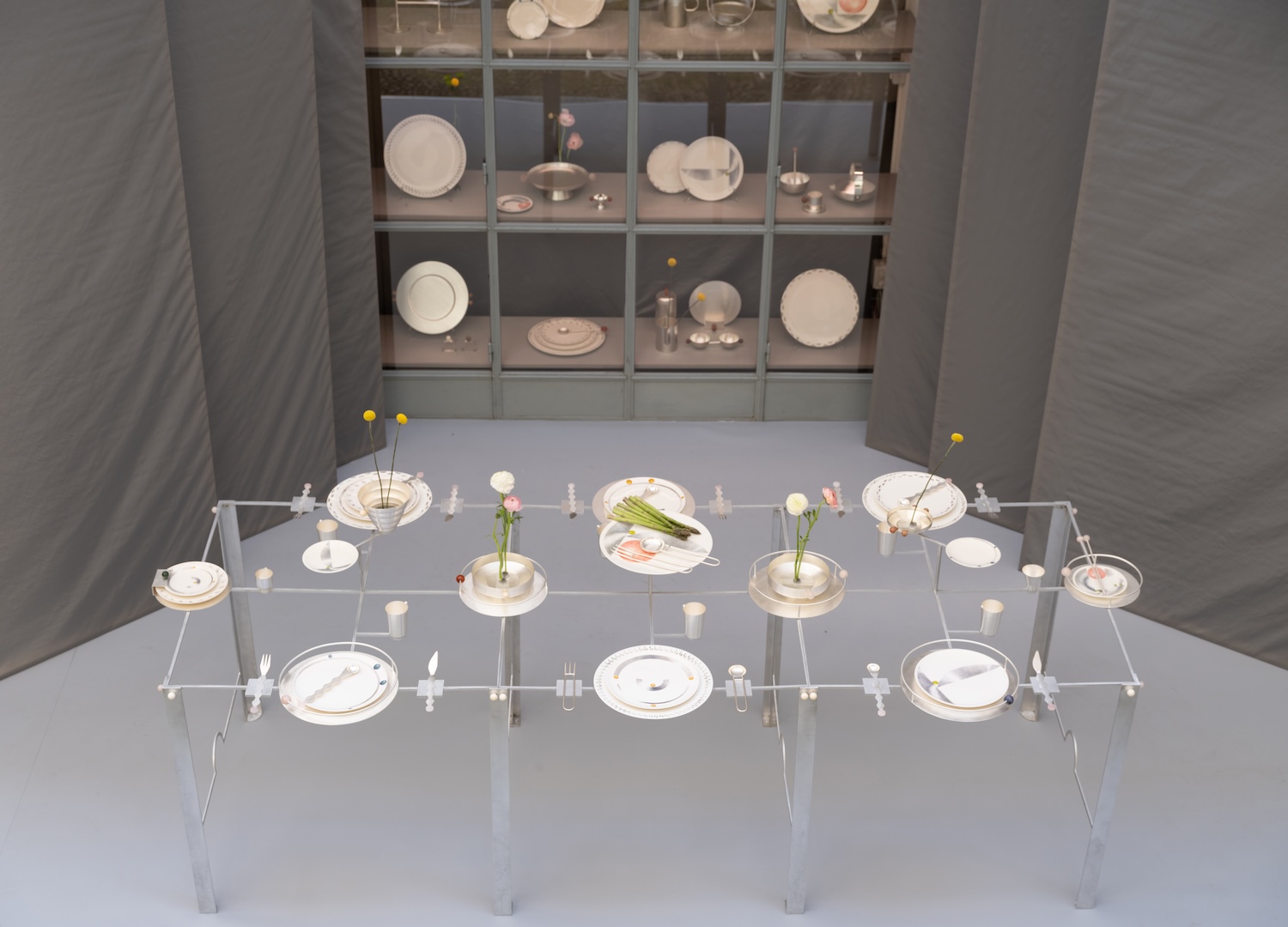
The Invisible Table exhibition, Metalia collection © Juliana Gomez
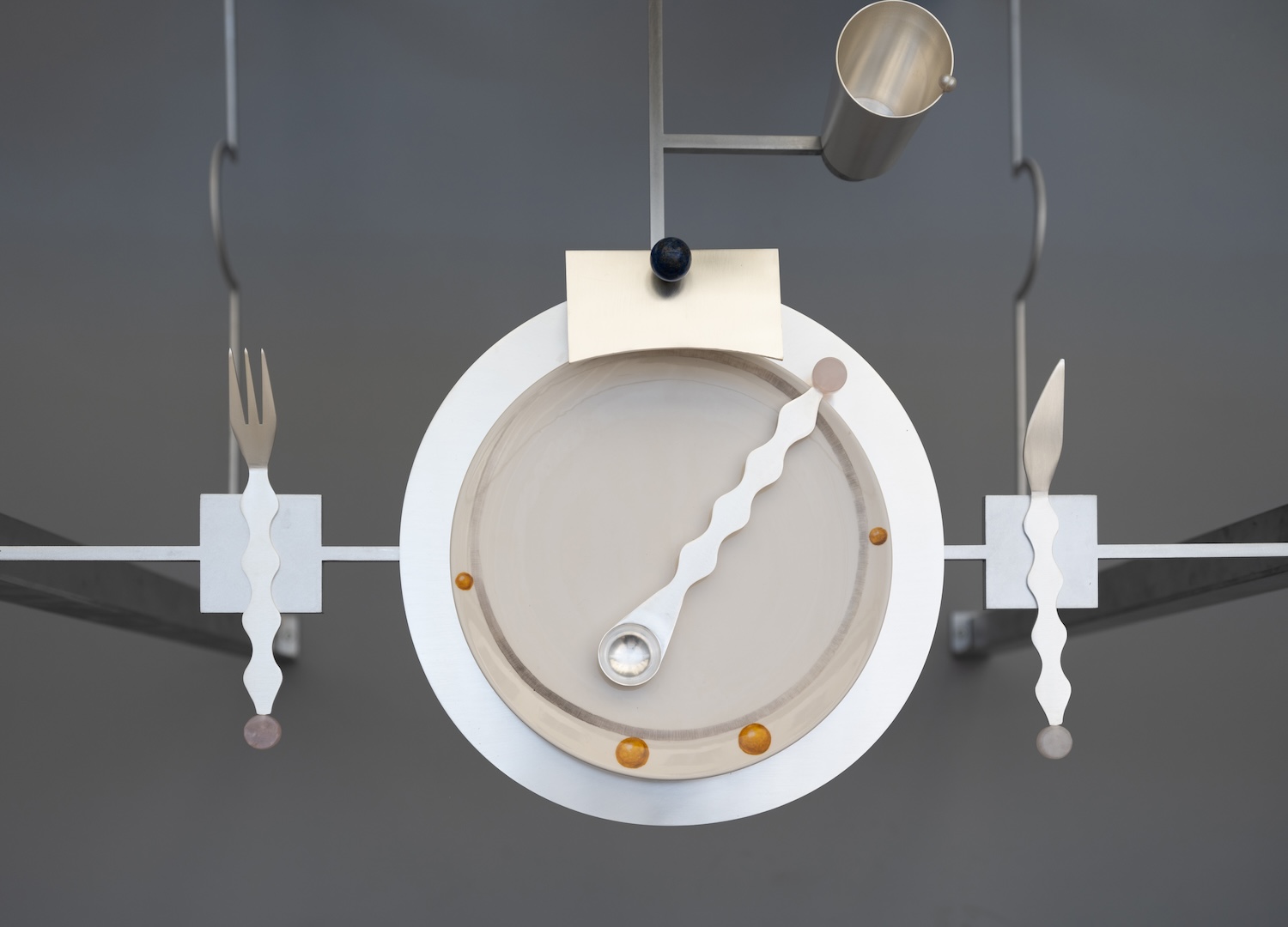
The Invisible Table exhibition, Metalia collection © Juliana Gomez
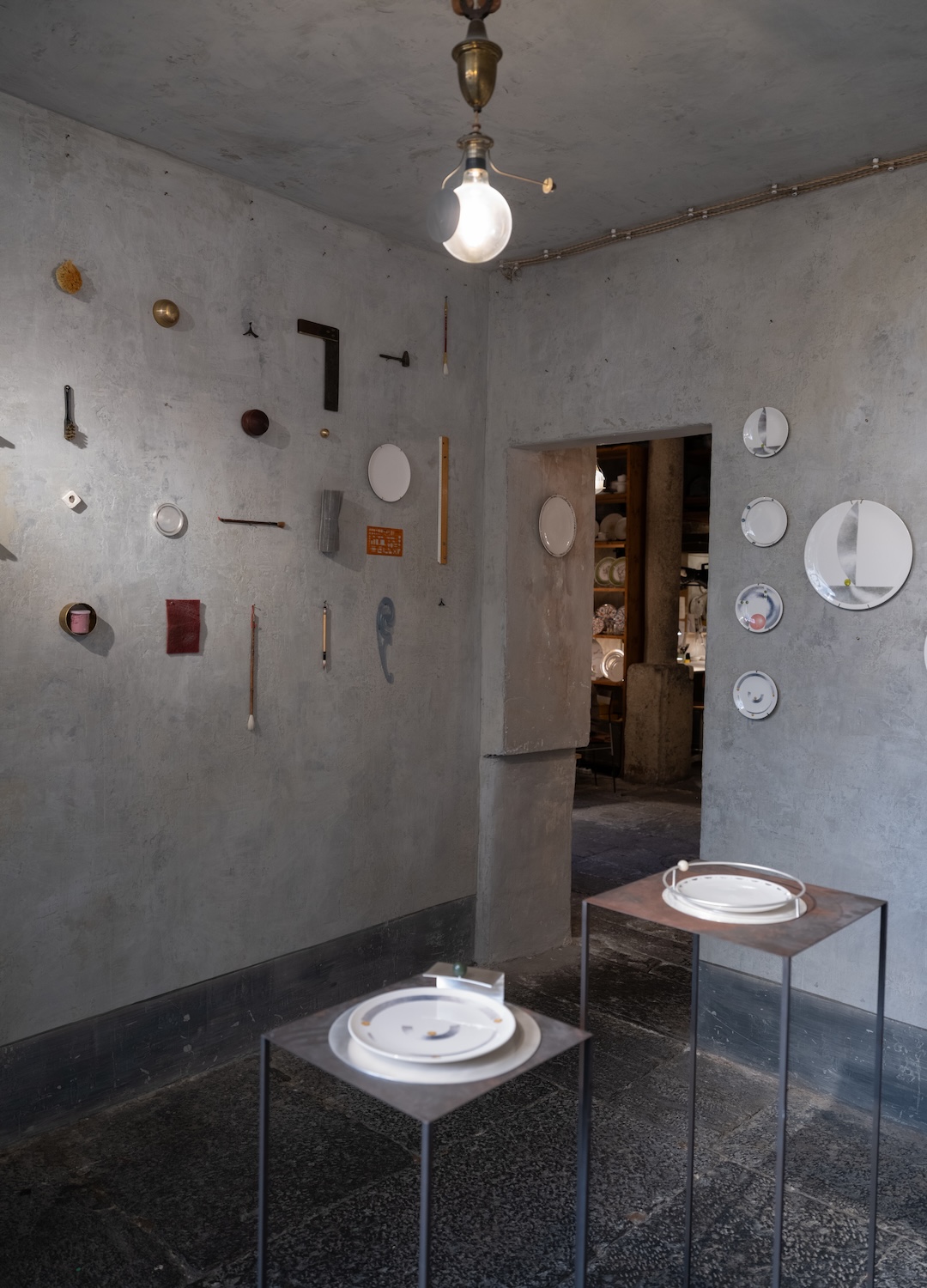
The Invisible Table exhibition, Metalia collection © Juliana Gomez
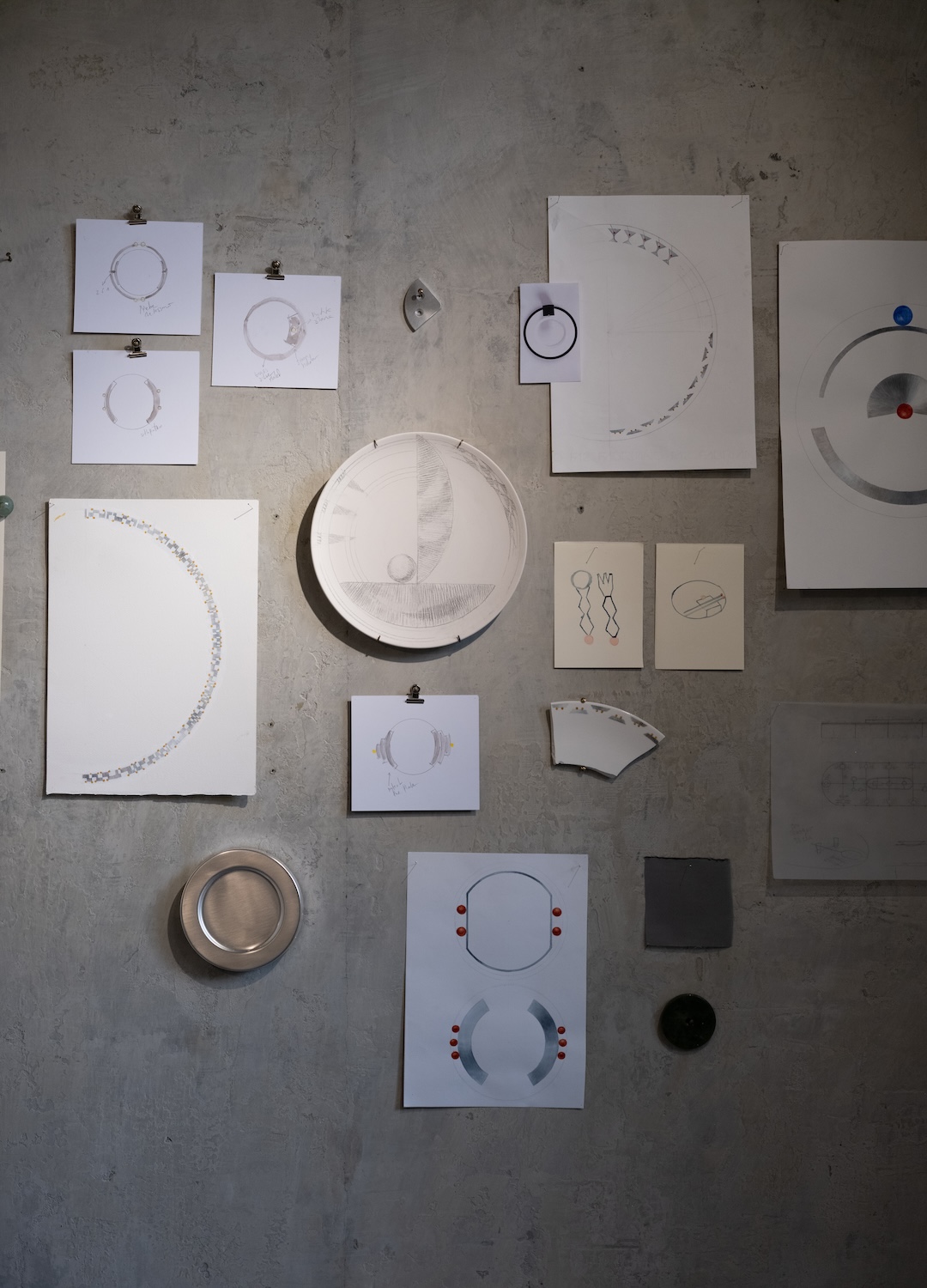
The Invisible Table exhibition, Metalia collection © Juliana Gomez
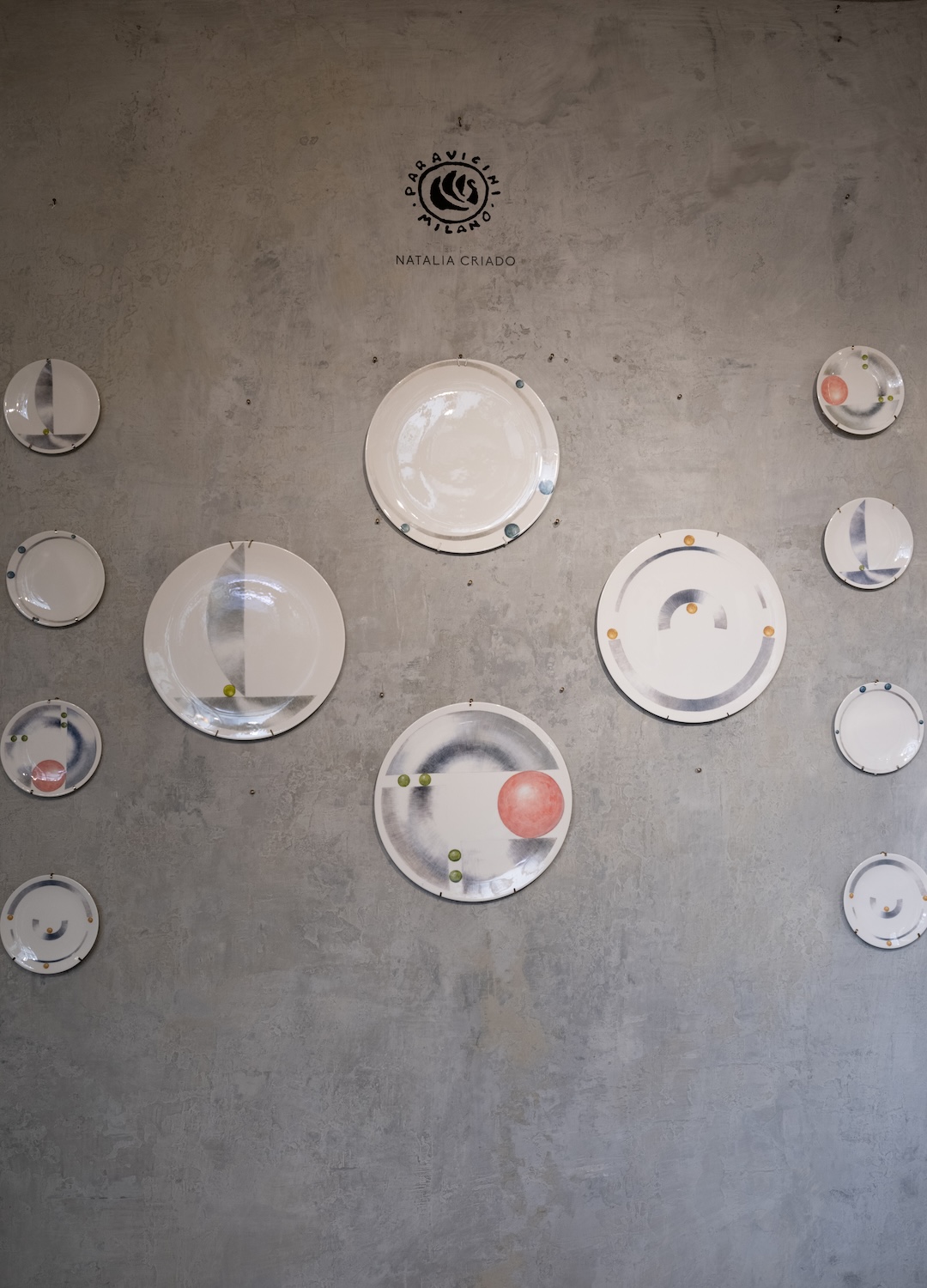
The Invisible Table exhibition, Metalia collection © Juliana Gomez
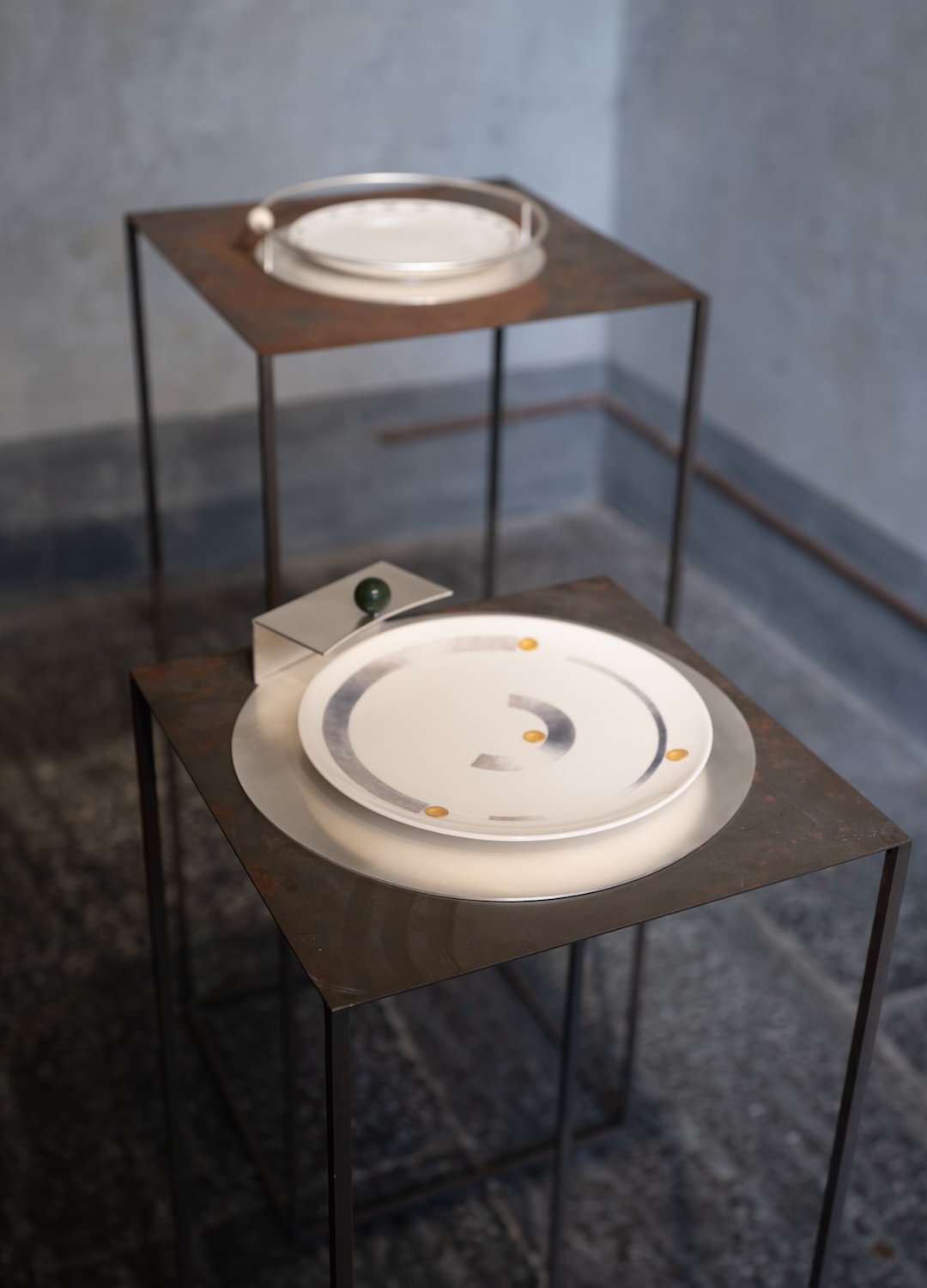
The Invisible Table exhibition, Metalia collection © Juliana Gomez
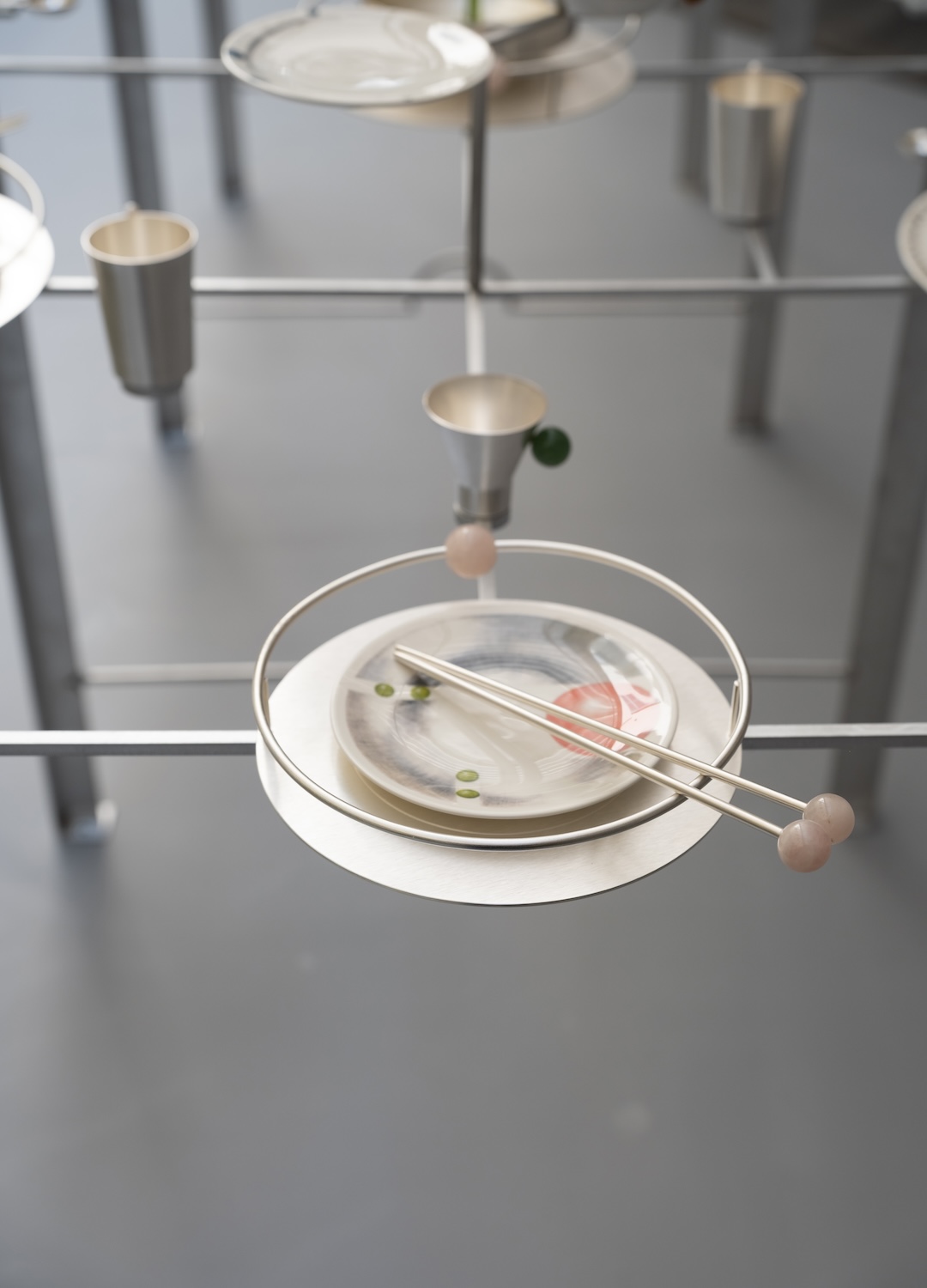
The Invisible Table exhibition, Metalia collection © Juliana Gomez
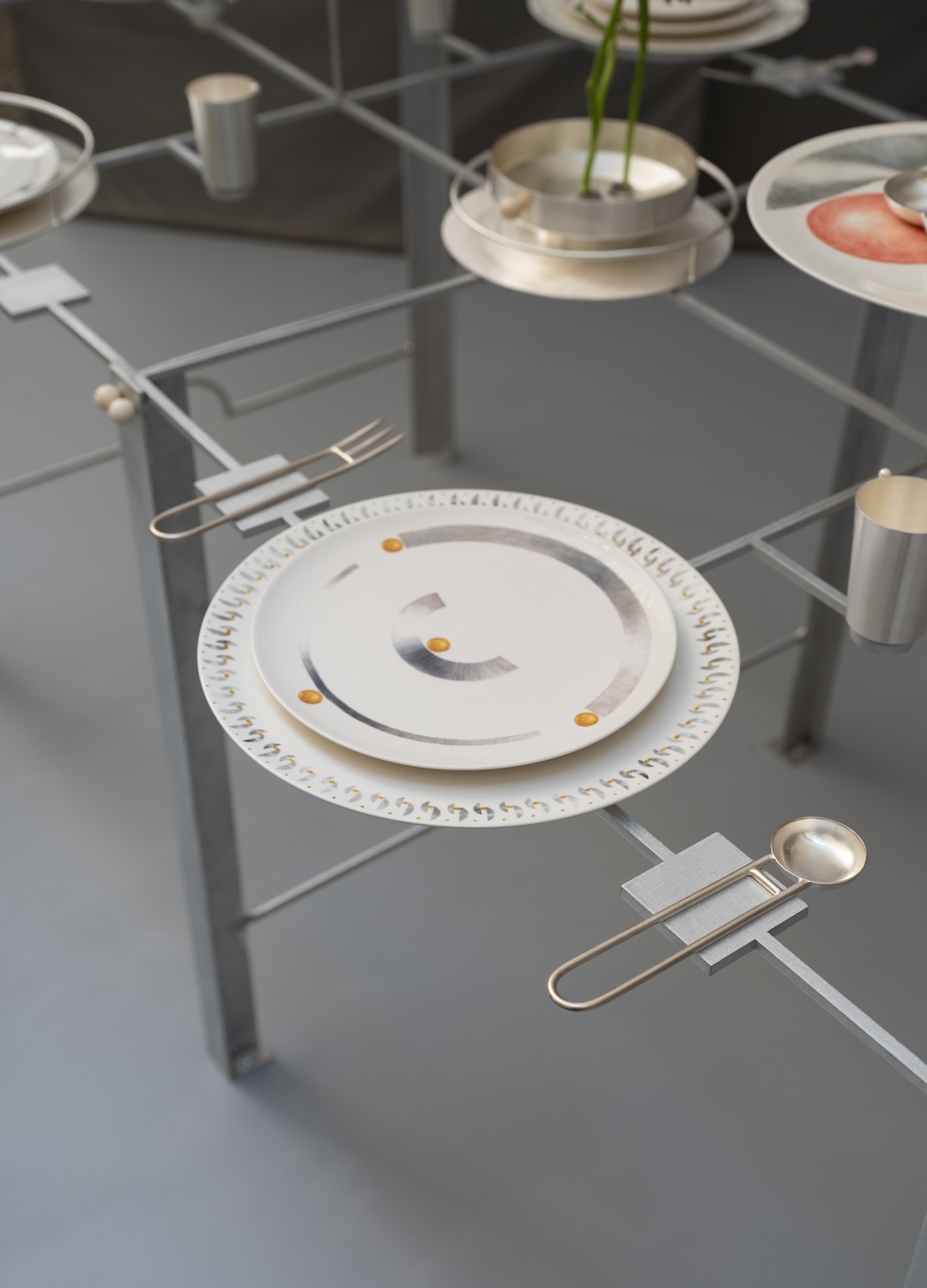
The Invisible Table exhibition, Metalia collection © Juliana Gomez
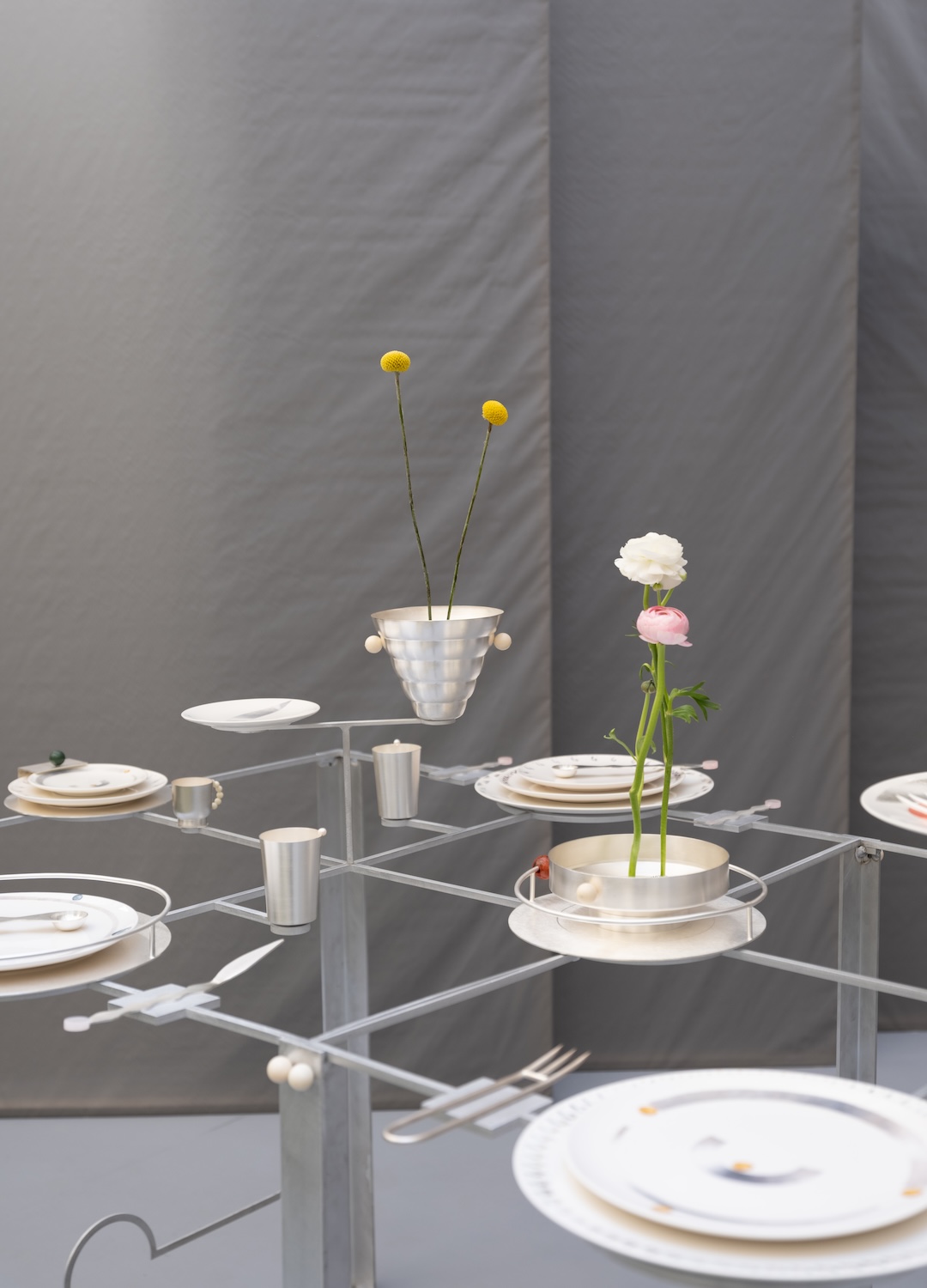
The Invisible Table exhibition, Metalia collection © Juliana Gomez
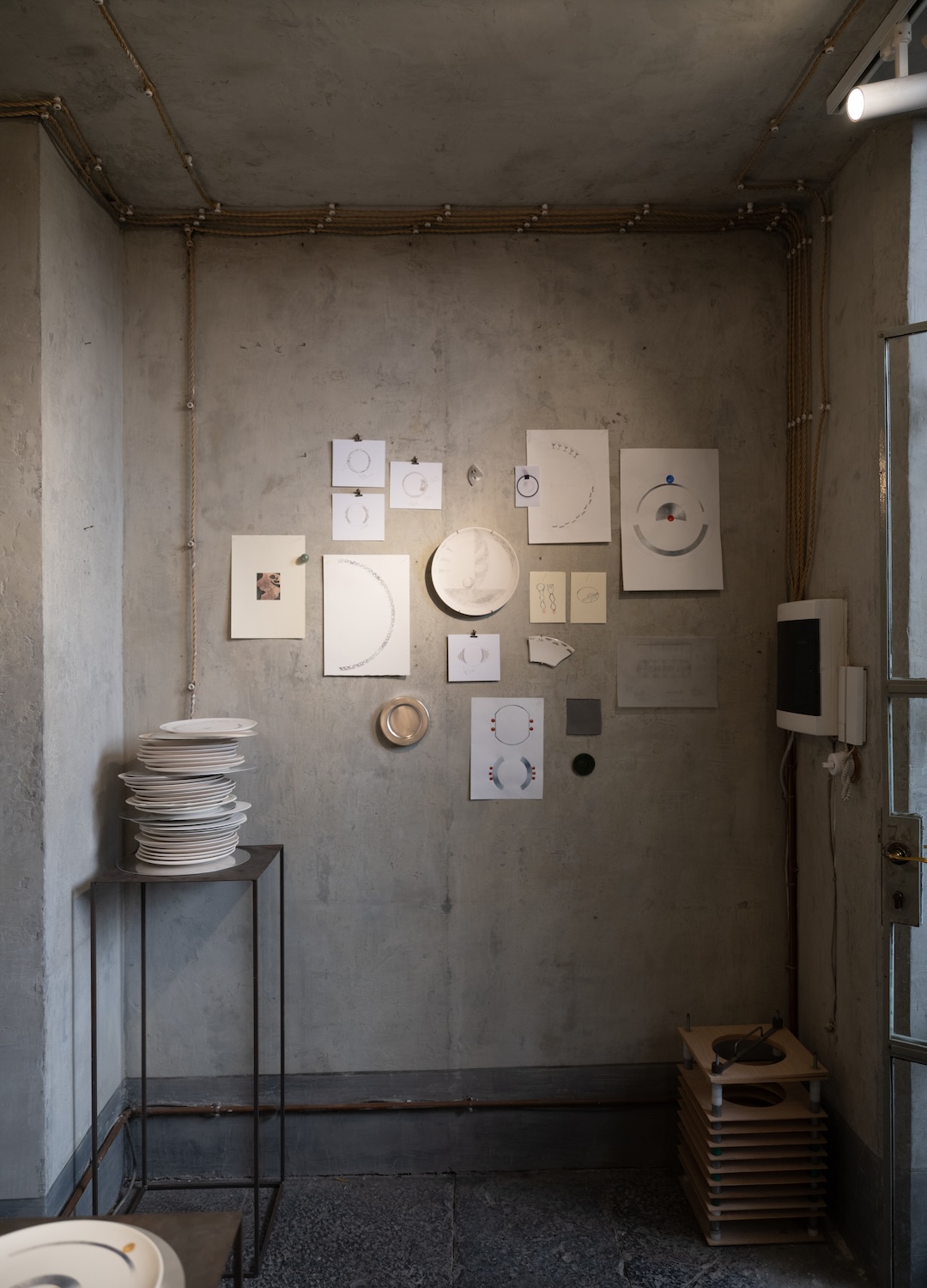
The Invisible Table exhibition, Metalia collection © Juliana Gomez
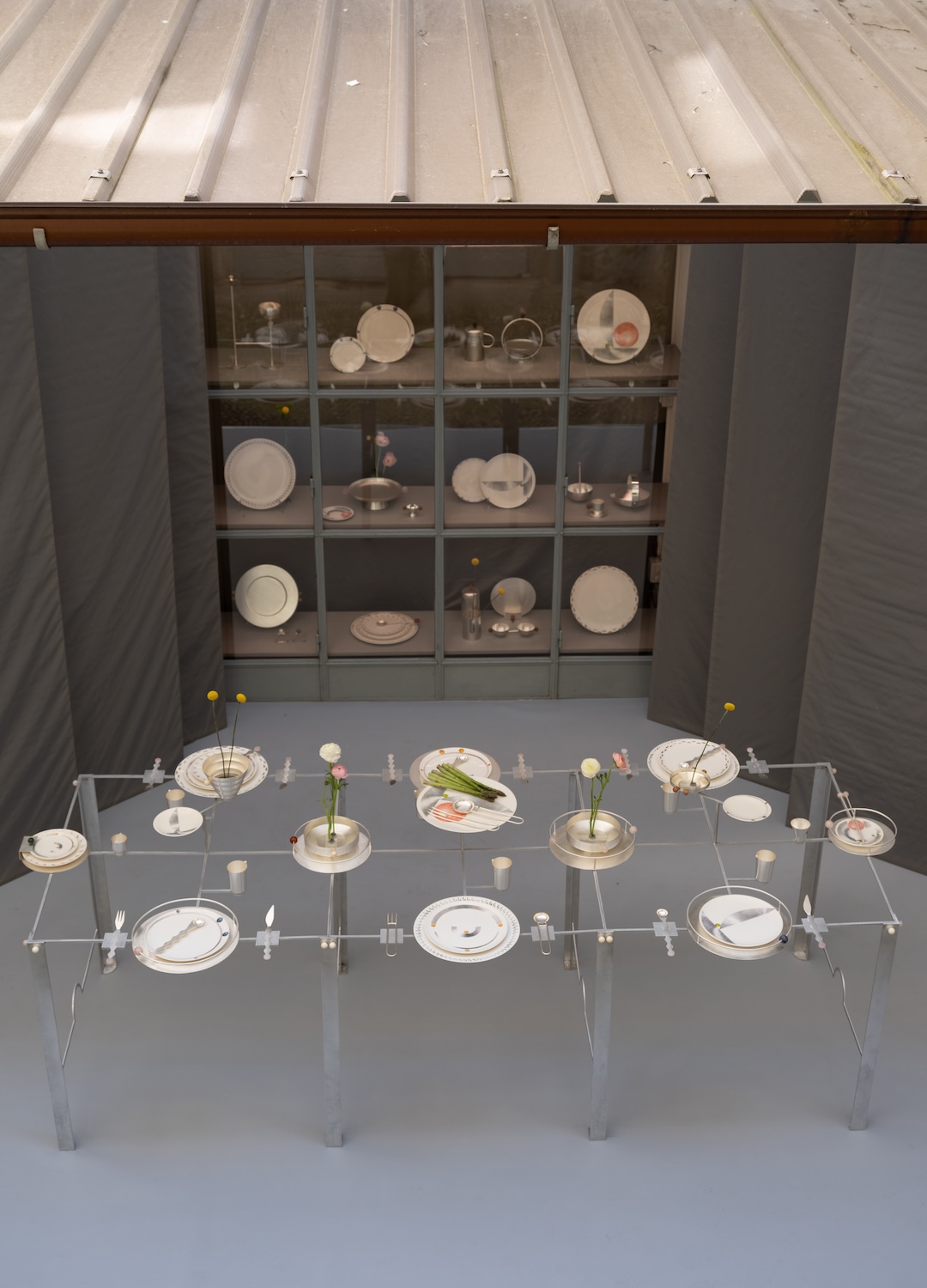
The Invisible Table exhibition, Metalia collection © Juliana Gomez
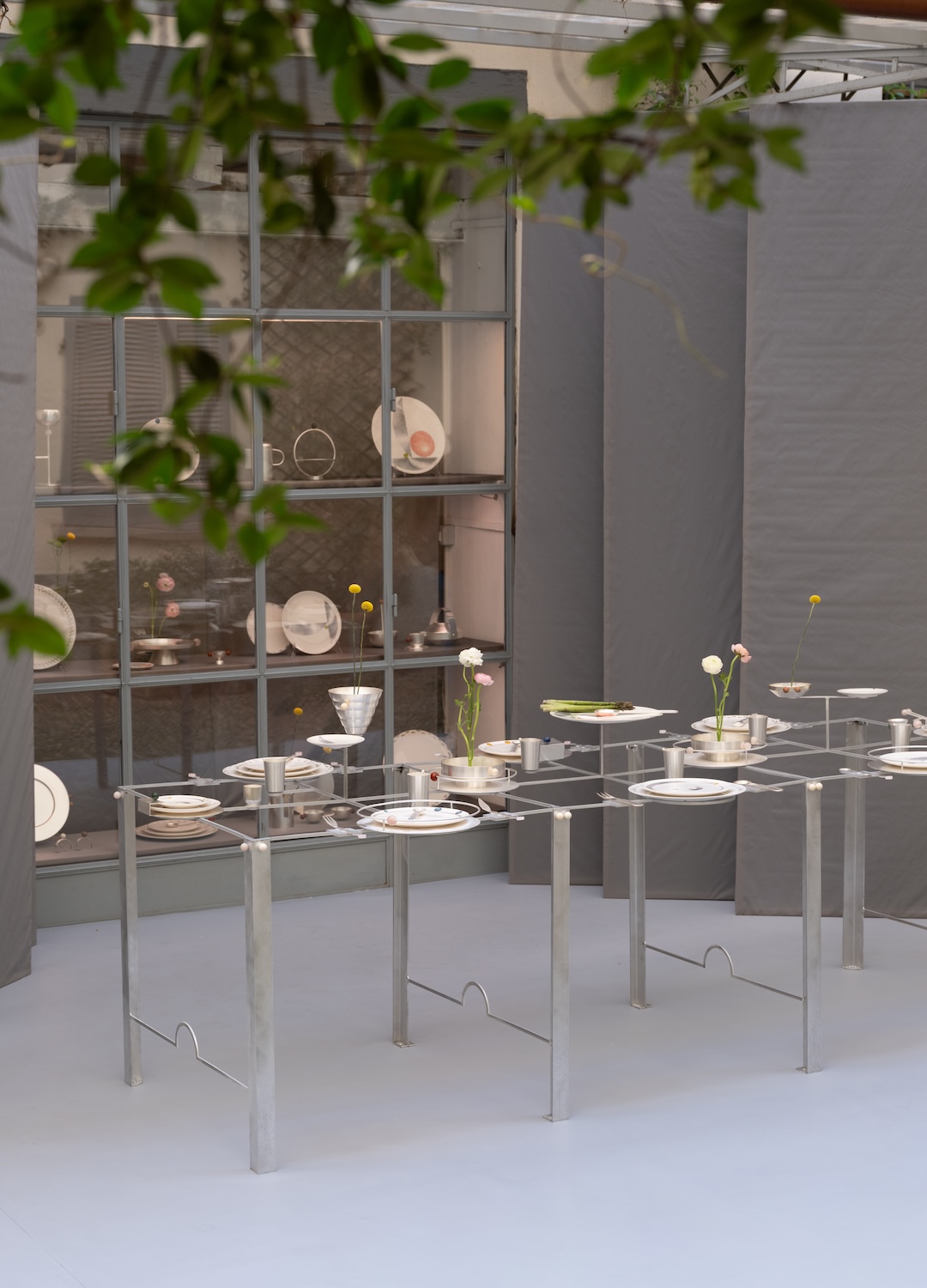
The Invisible Table exhibition, Metalia collection © Juliana Gomez
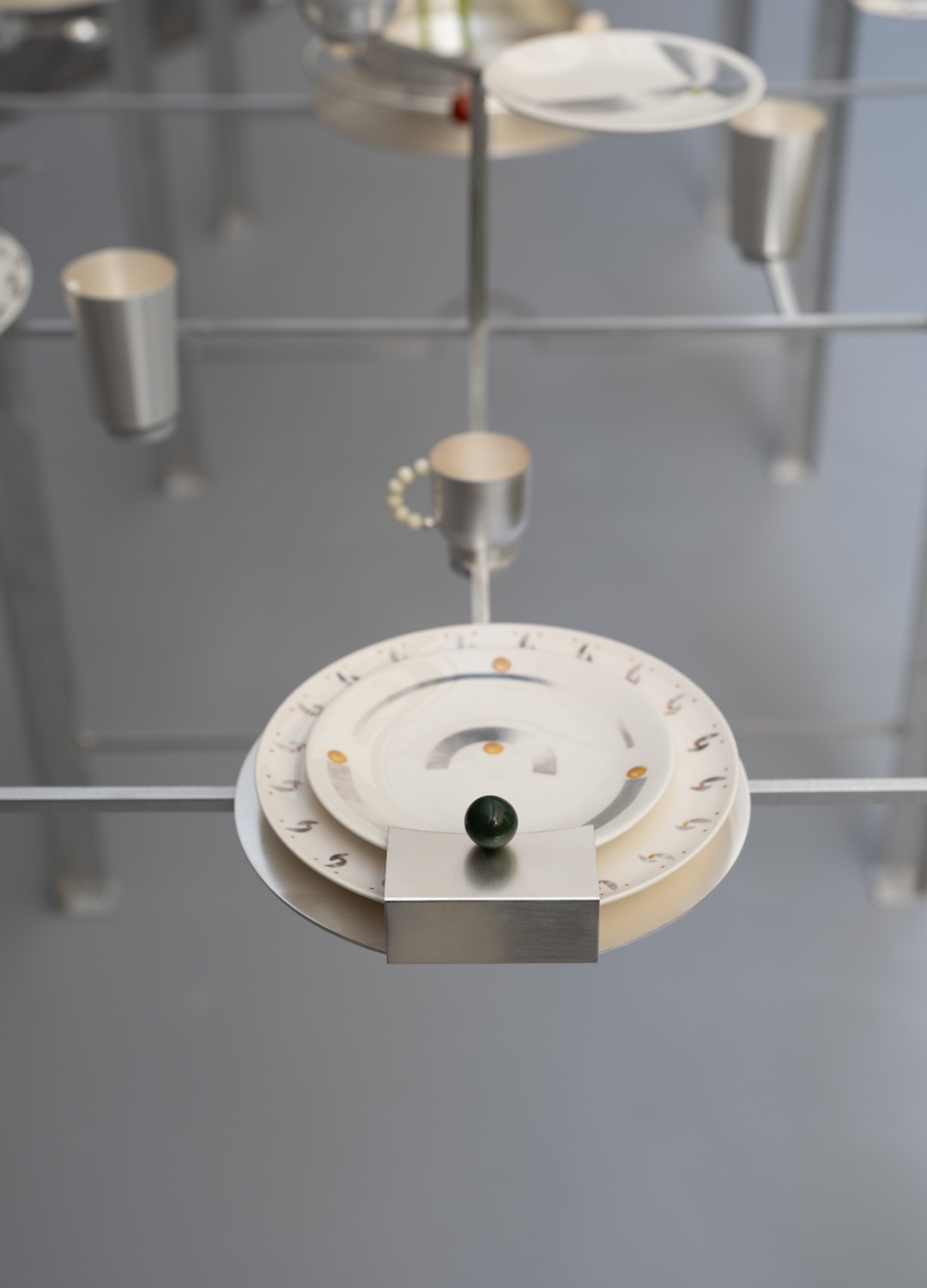
The Invisible Table exhibition, Metalia collection © Juliana Gomez
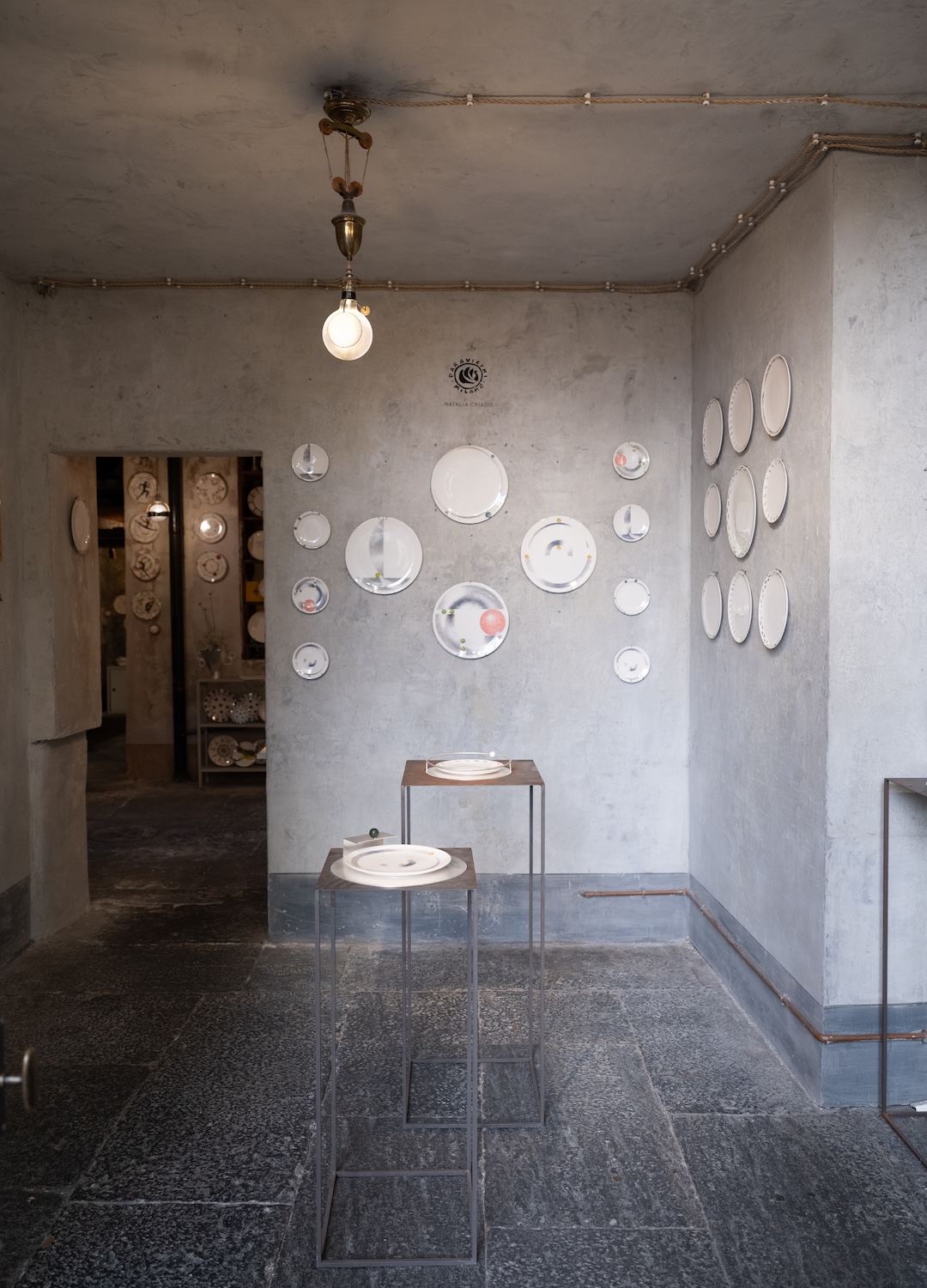
The Invisible Table exhibition, Metalia collection © Juliana Gomez
Paravicini Laboratory occupies a different but complementary position. Founded by Costanza Paravicini – who began, as the best things often do, by making something for her own home – the atelier has evolved from a small experimental laboratory into an internationally recognized ceramics studio without ever abandoning its artisanal core. Based in the courtyard of a neoclassical building in Milan’s 5VIE district, it is now run by a team of around ten people, including the founder and her three daughters, Benedetta, Margherita and Bona, combining hand painting, mixed media and printing processes to produce both bespoke and seasonal collections.
Metalia grew out of a question: how do you give meaning to a table that really belongs to two different worlds? As Benedetta MediciProduction and Communication Director of Laboratorio Paravicini, describes it:We tried to figure out how to give an intention to the painting that combined the balance between two different materials. From this question, a painting was born that – in the essence of balance – reflected an idea of something contemporary but not formal at the same time. Something new, floating, dreamlike.“
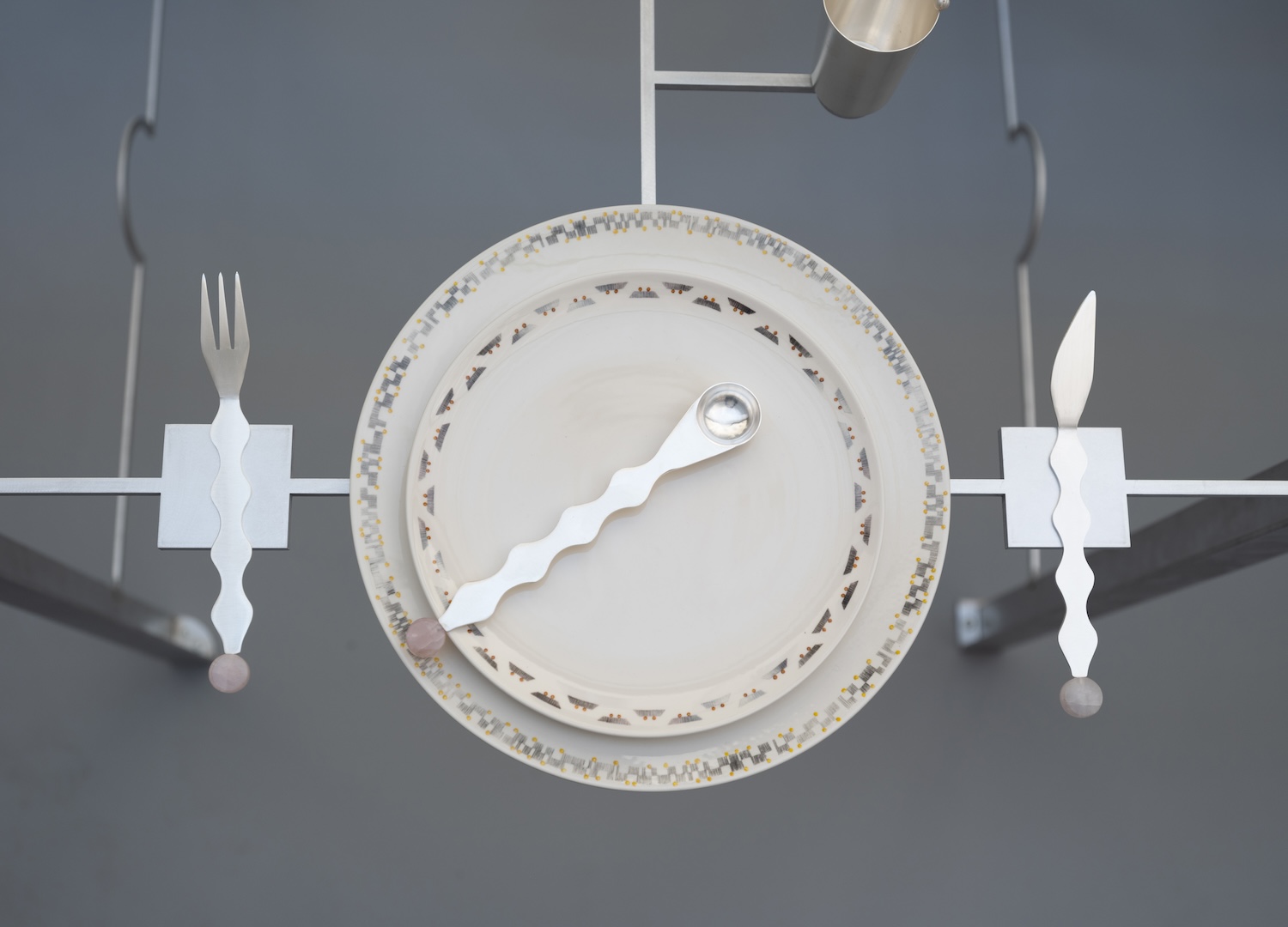
The joint visual search that followed was translated It was createdHis sculptural vocabulary – blades, spheres, reflective surfaces – in a new decorative language for ceramics. The collection includes two families of handmade plates: Lamina, available in serving, flat and dessert, and Sfere Colorate, in flat and bread plates. The patterns remain deliberately abstract, perceived not as symbols but as studies in light, volume and balance. Where the designer works with real metal, the atelier recreates its reflective quality and volumetric presence through painted geometry – an act of translation that required months of research and experimentation to get right.
For the designerthe collaboration had both human and creative weight:It was a very interesting experience. The exercise was that they were inspired by my shapes. I was inspired by their world. We both have skill. They are women, so it was very beautiful, very poetic. We shared both shapes and ways of working. Not only that – I realized how in six months you really learn how they work at the lab level because you get so close to their process that it ends up feeling like a six month relationship.“
Alongside the ceramics, the presentation includes a selection of Criado tableware, including metal plates, coffee cups, vases, centrepieces, cutlery, serving elements, smaller accessories and newer pieces linked to the aperitivo ritual. Polished and satin finishes create subtle variations in reflection that speak directly to the matte white of the ceramic surfaces – a balance between brightness and softness that feels calibrated rather than random.
The whole is presented through an installation titled The invisible tablein which objects appear suspended in space rather than placed on a conventional surface. Again, Blessed explains, the initial spark came from an unexpected source:It all started with an evocative image of a table made by an artist in the 1960s – a lattice structure – which we then translated through the culture of both brands. Several calls, several meetings and above all, several car trips made by these craftsmen to improve, step by step, exactly what we were looking for.“
Choosing an invisible table tells us that we can shift the reading from tableware to composition and give function to spatial poetry. Balance, Rhythm, Suspension – the same characteristics that define each individual piece – to become the logic of the whole.
What also emerges from this project is the recognition of the common condition, that when two artisanal realities face the same challenges, they can translate the design into details to manage production alongside distribution. “Even when we talk about our commutes to each other’s studios, we find the same problems“, they note at the end.That’s what’s beautiful – a common life that looks like itself.“
Metalia is on view from April 20 to 26 at Laboratorio Paravicini, Via Nerino 8, Milan. Open Monday to Sunday 10am-6pm, Wednesday until 10pm.



