


Not far from a busy corner of Los Angeles’ Silver Lake neighborhood, where traffic squeezes and releases in a daily rhythm, sits a gem of a shop. Nestled in the back corner of an unassuming courtyard is the new venue Kimberly and Nancy Wthe sisters back Building Block. Nancy studied Transportation Design at ArtCenter—coincidentally next to my brother—while Kimberly trained in shoe design in Italy. This split, systems and structure on the one hand, material and art on the other, is clearly resolved in their work.
I got to know the brand indirectly. My sister-in-law carried a Building Block bag that I couldn’t stop noticing every time she visited. The skin softens and darkens over time. It reminded me of a small leather pouch I use for pencils and pens, something I handle every day and is marked by use. I love how natural leather captures life. Like a marble counter in a Parisian cafe, marked by glass rings and stains, it is not meant to be so much valuable as to tell the story of life.
By the time I wanted my own bag, Building Block had already stopped. For those who followed the brand, this 2023 hiatus marked the end of a separate chapter. For over a decade, his collection of minimal leather overalls, often flecked with wood or rubber, has been carried by a loyal design-savvy audience. The success was real, but never resounding.
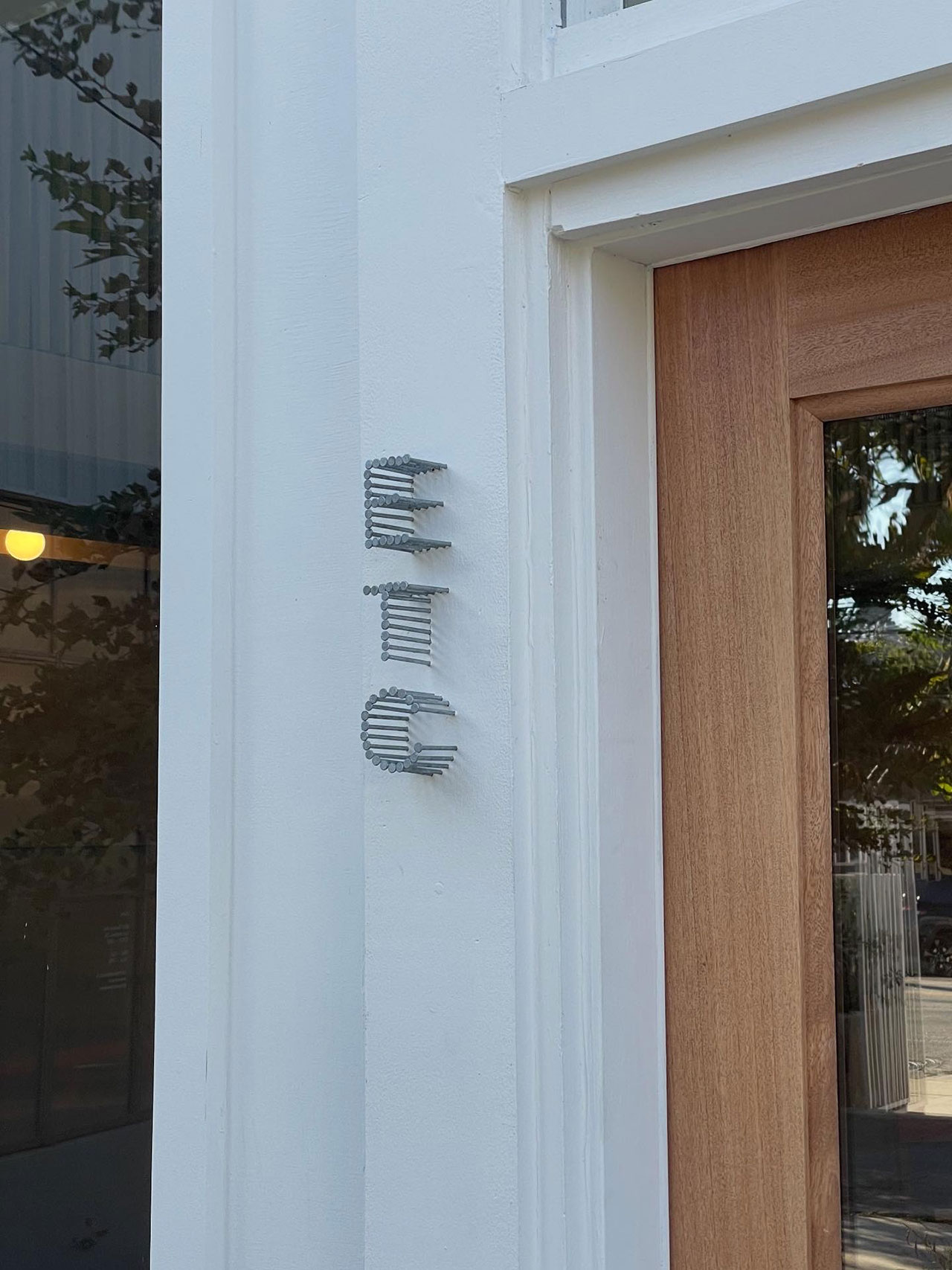
Building block etc.the new space, reads as a continuation, not a reboot. I visited for the first time gathering sources for 2025 Holiday Gift Guide for the Culinary Curious. The shop is impressive. You enter a calm, precise space where everything feels considered and nothing random. From their own designs to the curated collection, each item earns its place.
Kimberly describes the selection as intuitive: “They’re often things we’ve experienced ourselves or by creators whose practices we deeply admire. We’re drawn to pieces that have clarity in material and form, a sense of utility, and the ability to reveal more over time.”
This sensitivity is immediately felt. You want to pick things up, feel their weight and trace their edges. The design language is consistent: reduced forms, direct materials, demanding decisions. Even the packaging they use to wrap purchases—pressed kraft bubble wrap and aluminum tape—extends the experience.
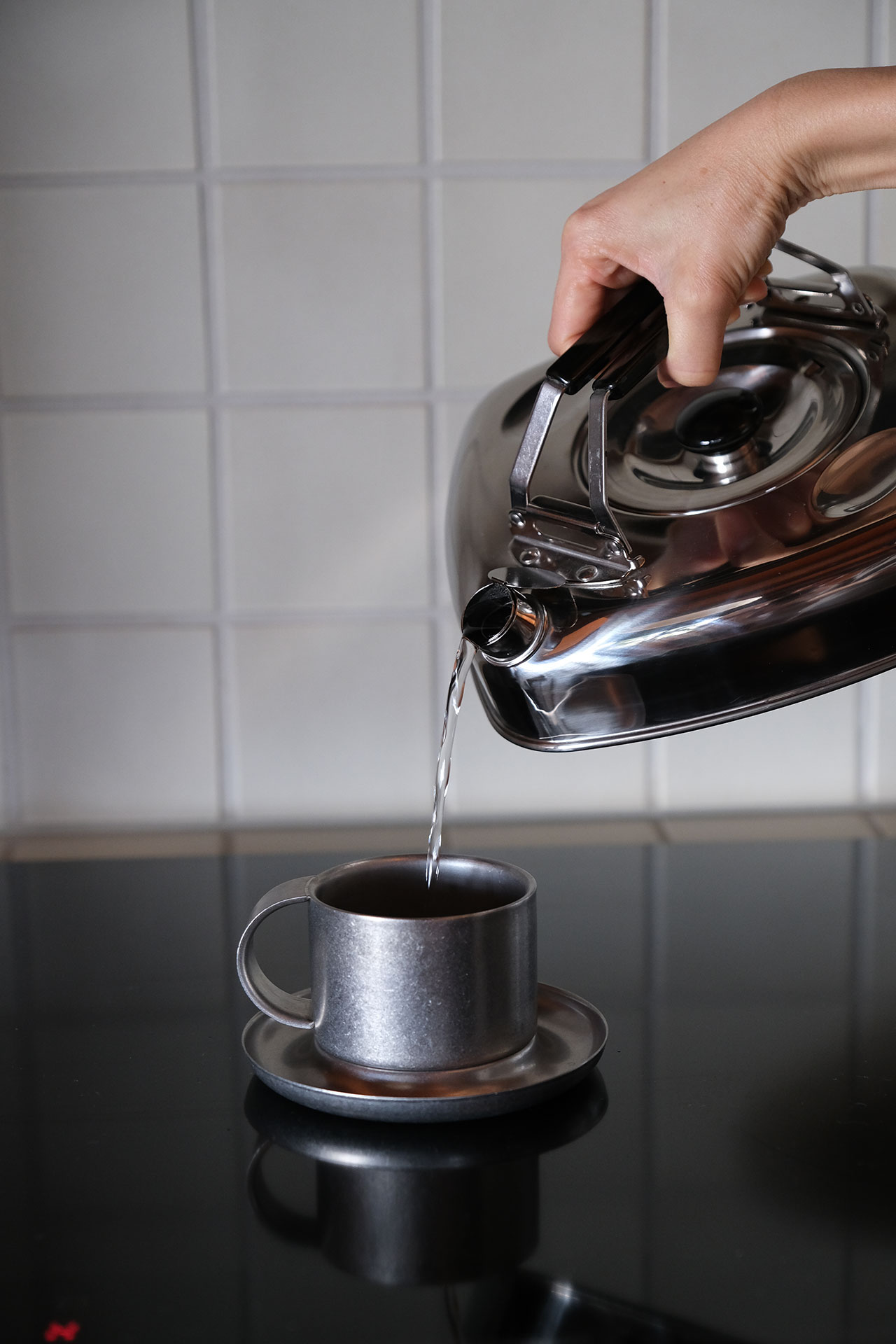
A cube-shaped stainless steel teapot from Japan: flat-bottomed, efficient, compact. A built-in strainer allows tea or coffee to be brewed directly inside, while folding handles collapse the form when not in use.
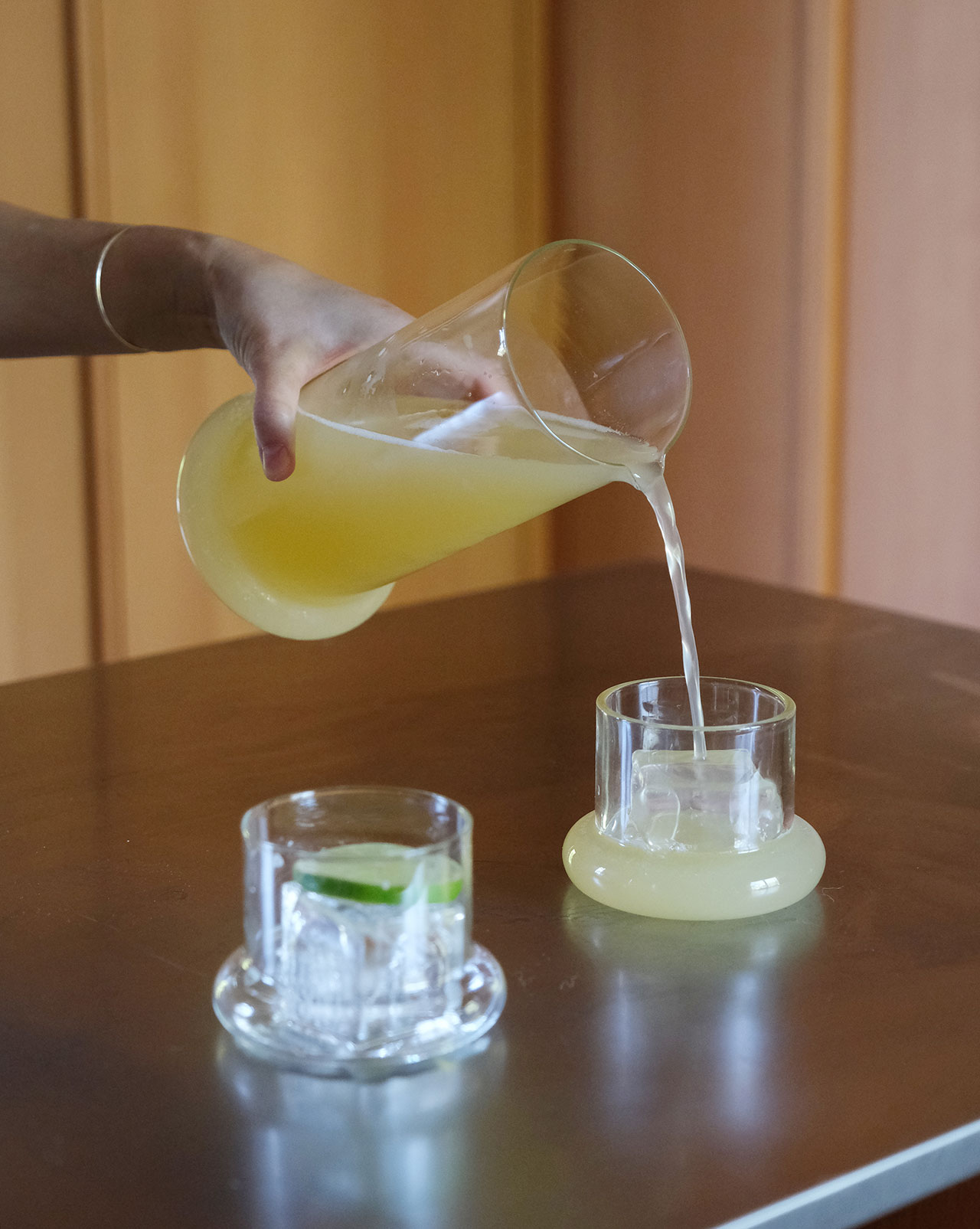
Glass tumblers and a decanter with rounded bubble-like bases, hand-blown in North Carolina, balance delicacy with weight.
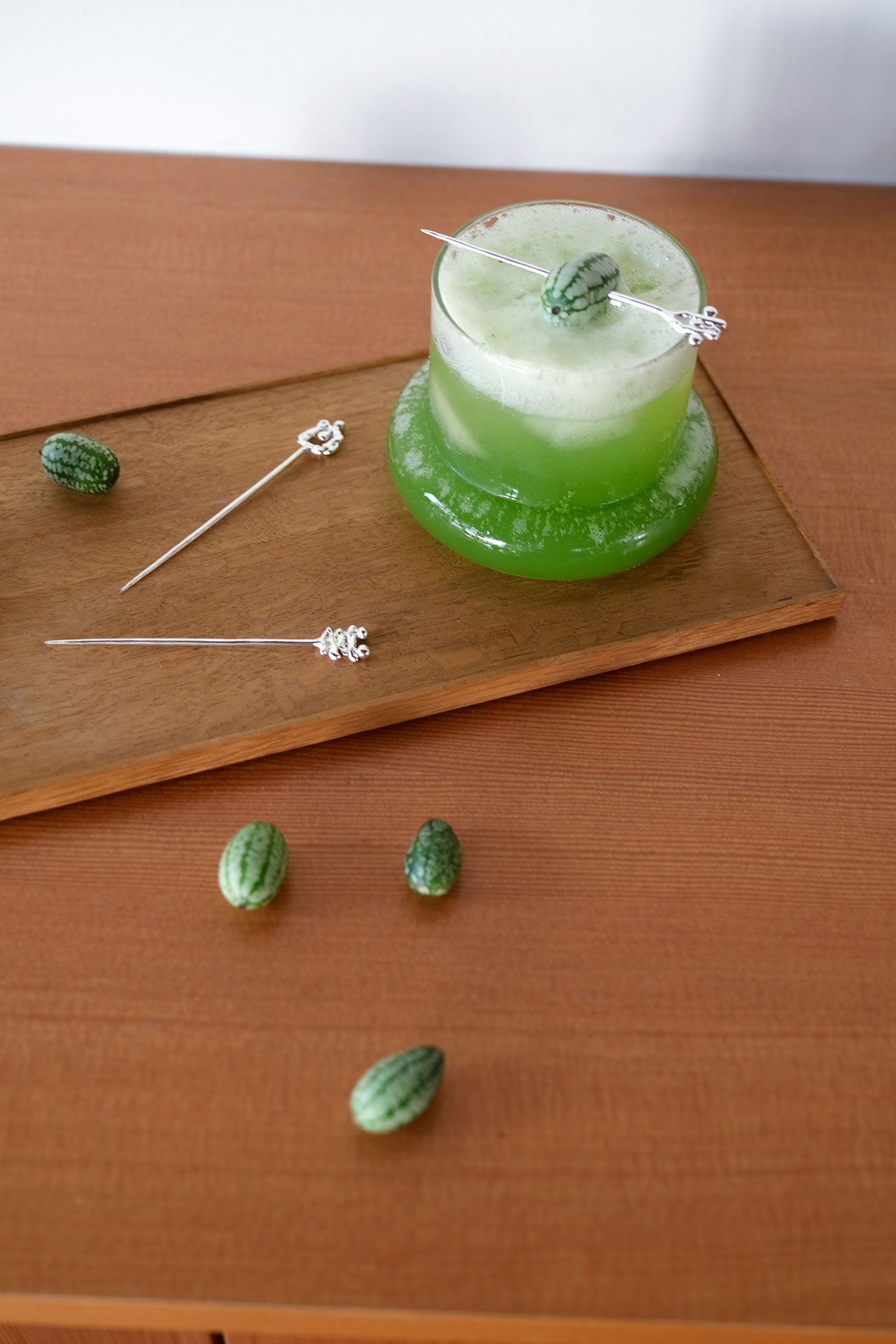
Their own objects follow the same logic. I was curious what came first: the product idea or the manufacturer connection. Nancy describes the starting point not as a short product, but as a feeling: “We are interested in function, but mainly how something goes through everyday life, how it feels in the hand, how it takes up space, how it ages through use.”
From there, the builder becomes part of the design. “Finding the right manufacturer or partner is an essential part of the process,” he adds. “Dialogue with the maker shapes the final object as much as the initial idea.”
Biscuit leather coasters and a nod to their history in bags, translating this material language into the home. A ridged stainless steel bowl works in a variety of settings: ice cream, olives, salt, small snacks.
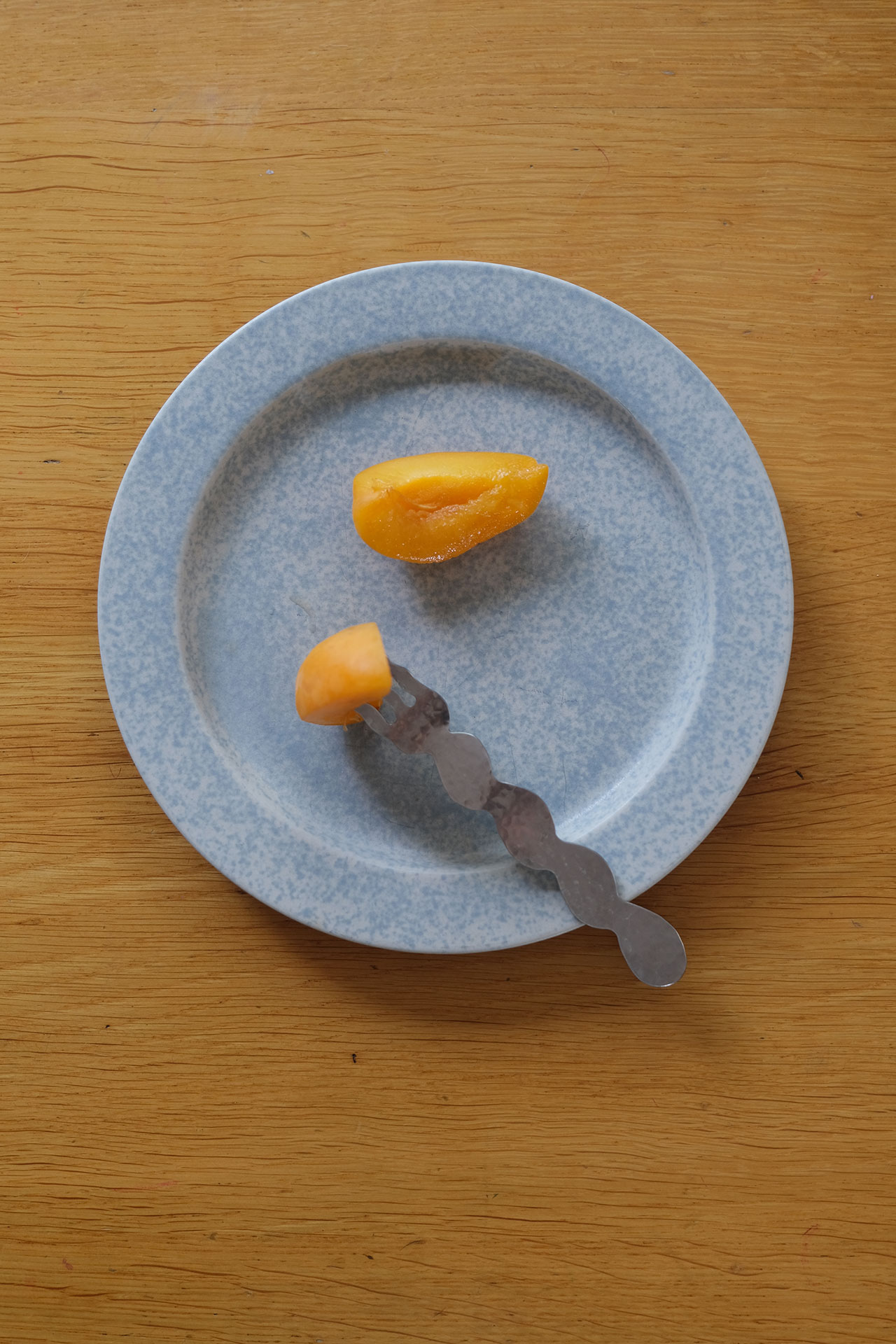
Squiggle flatware introduces a controlled anomaly, subtle but enough to change the table.
Individually, each piece is resolved. Together, they create a cohesive environment, one that prioritizes use, touch and longevity. It’s the kind of store where gifting feels purposeful and buying for yourself is just as justified. Without the pressure of seasonal production, the space feels less like retail and more like an open studio. Not everything is explained. Some of them are held back. This limitation is part of the appeal.
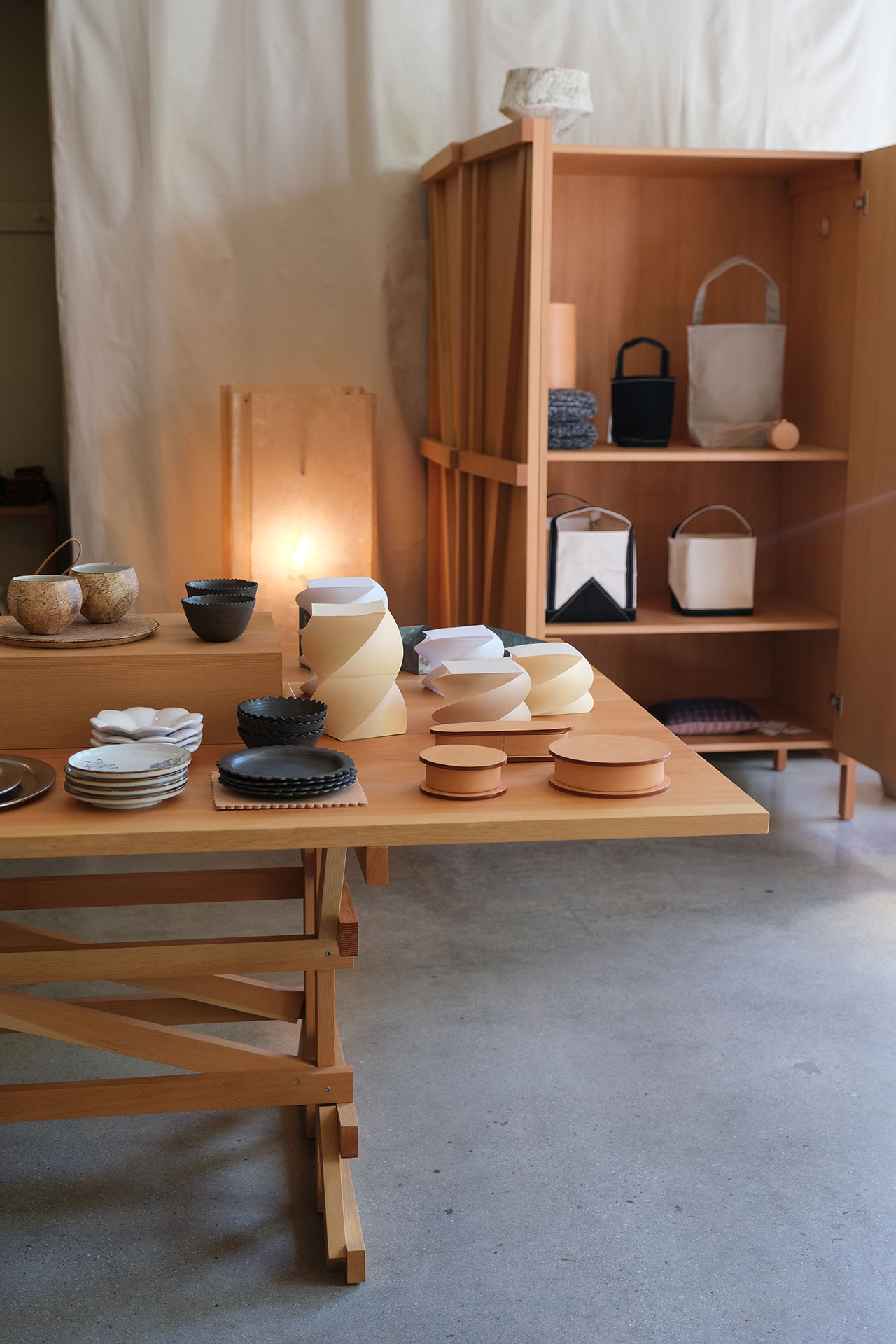
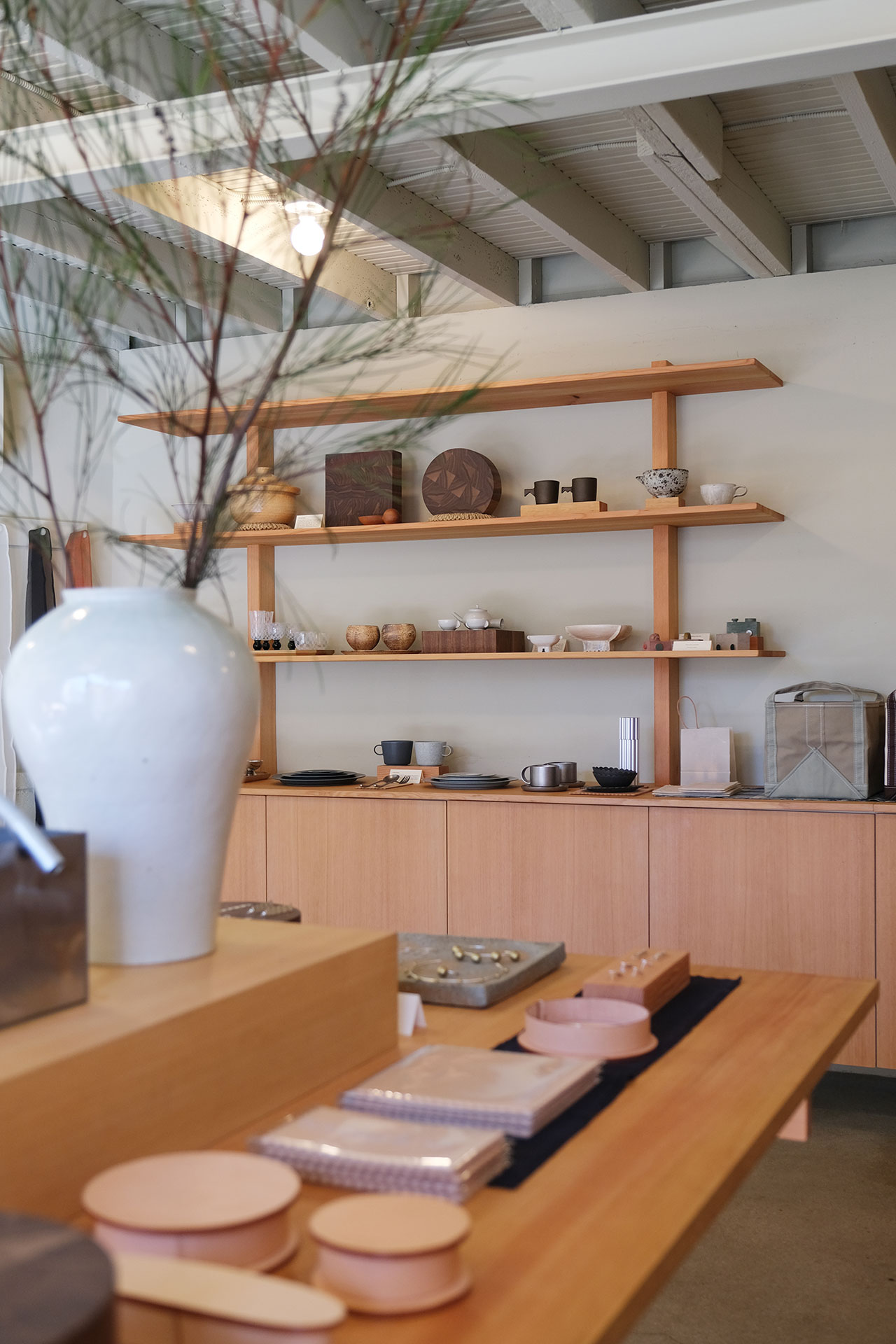
The store came before the website, on purpose. “So much of this work is rooted in slowing down,” explains Kimberly. “We wanted people to encounter objects through touch, scale, material and conversation.”
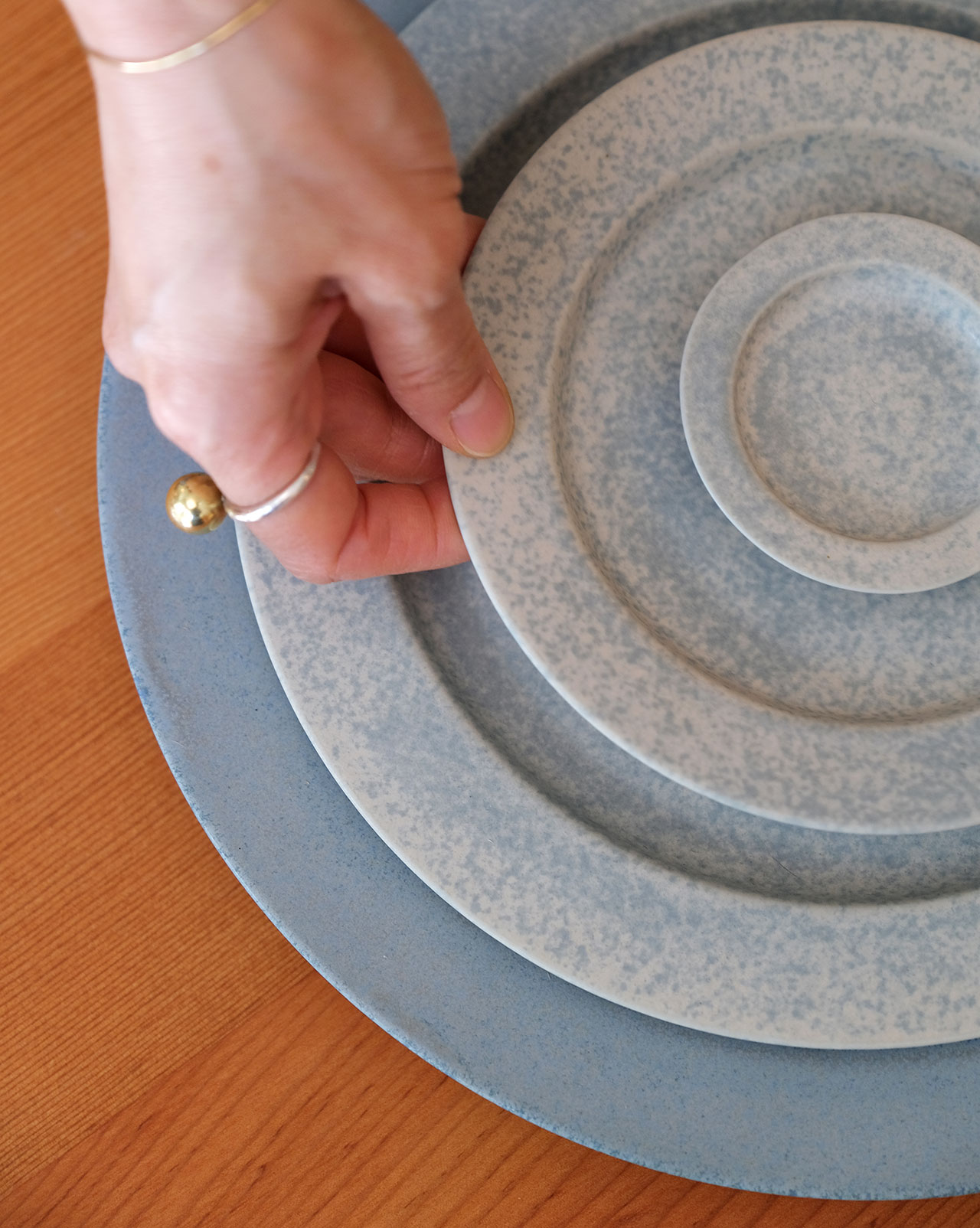
The digital presence followed as an extension of that same sensibility, not a separate identity. “We think of the website and the store as connected environments,” he says, “guided by restraint and a desire to let the objects speak clearly.”
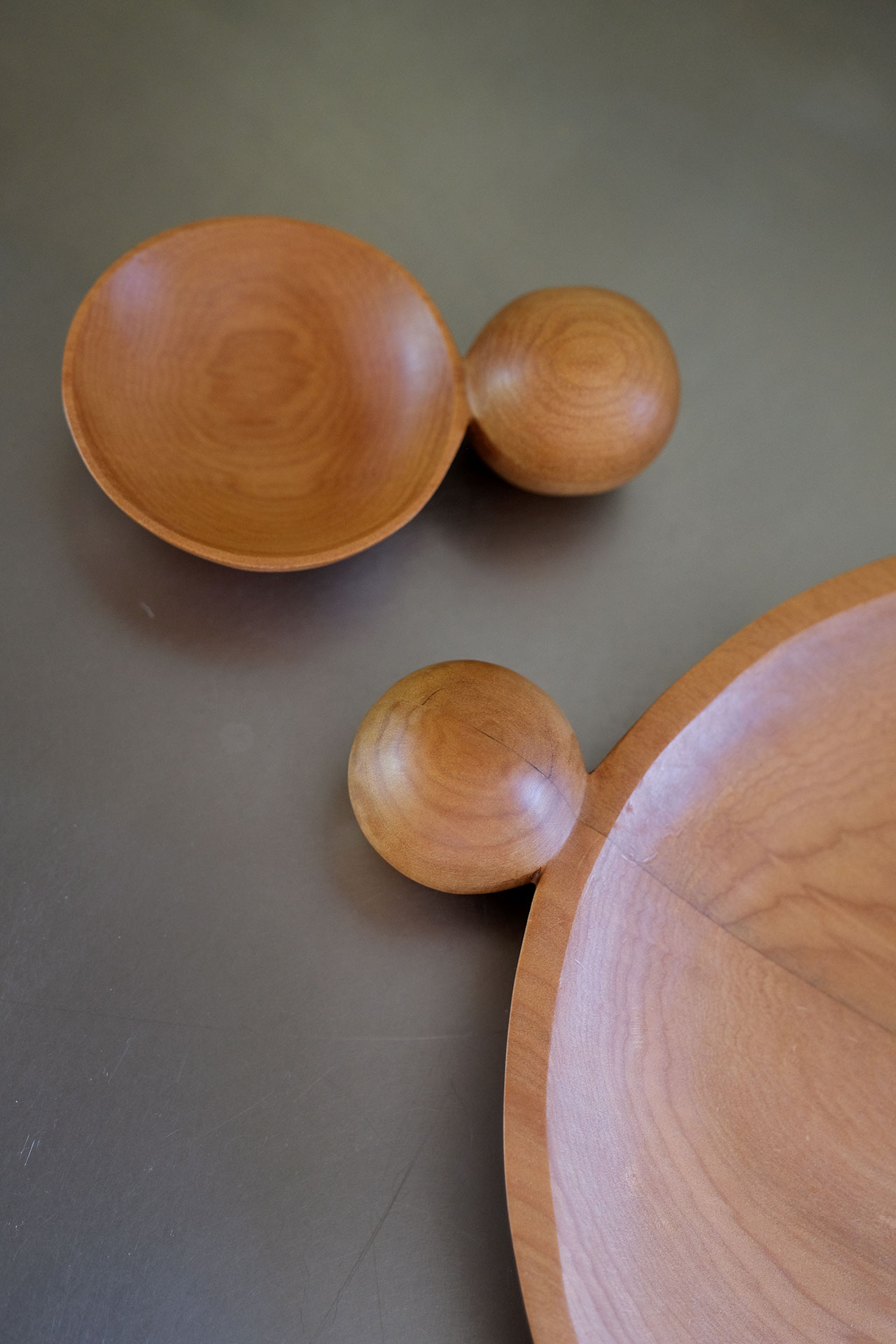
On a stretch of road that most Los Angeles Eastsiders drive by, the shop serves as a quiet respite. You go through it more than once before registering it. Then, eventually, you stop. And for anyone beyond LA’s Eastside, the online store is now open.
As someone who has paused and spun, the gesture is recognisable. Not reinvention, but recalibration. Slower, sharper, more deliberate.
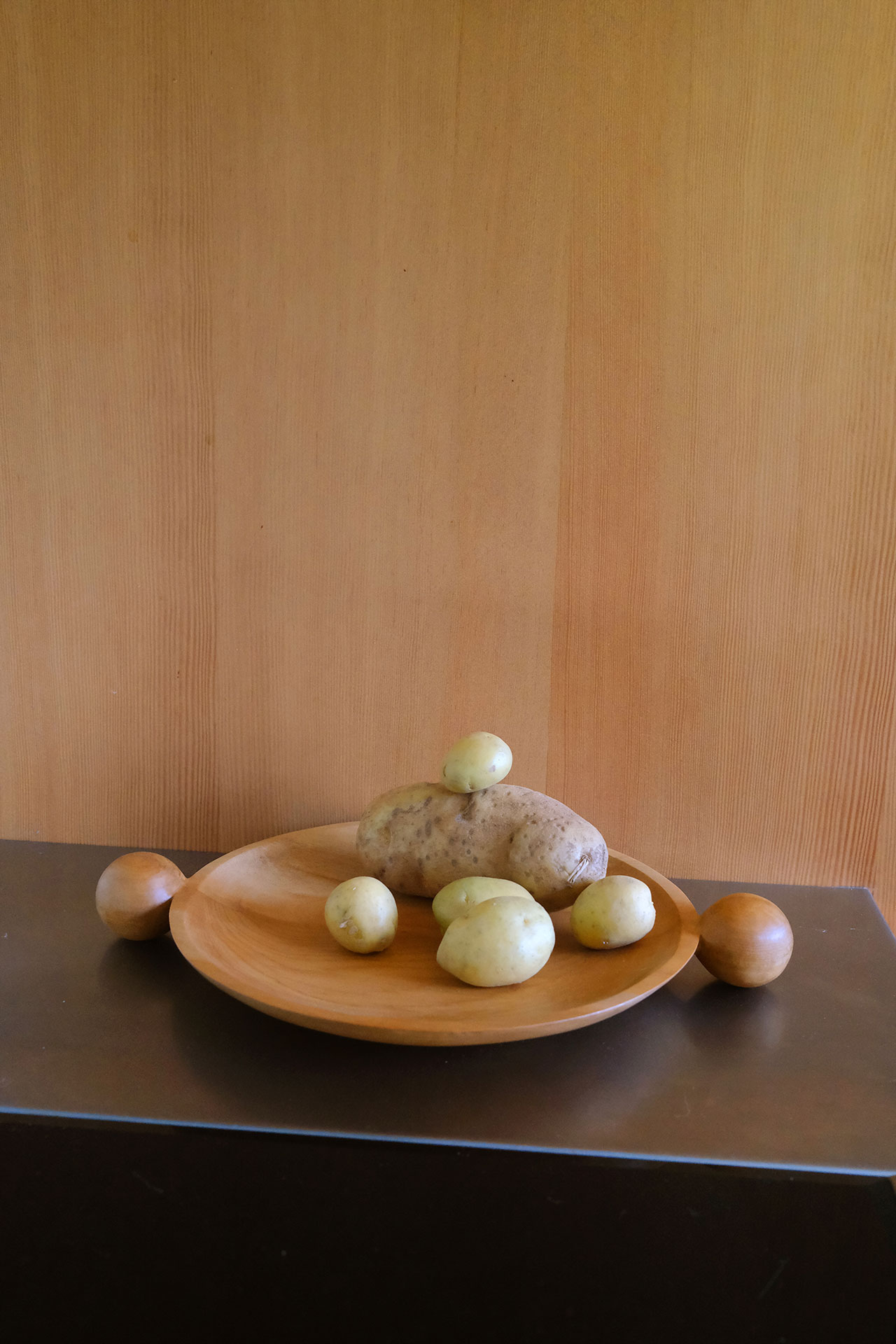
To shop the new collection, visit bbetc.shop.
Photo courtesy of Building Block Etc.




