

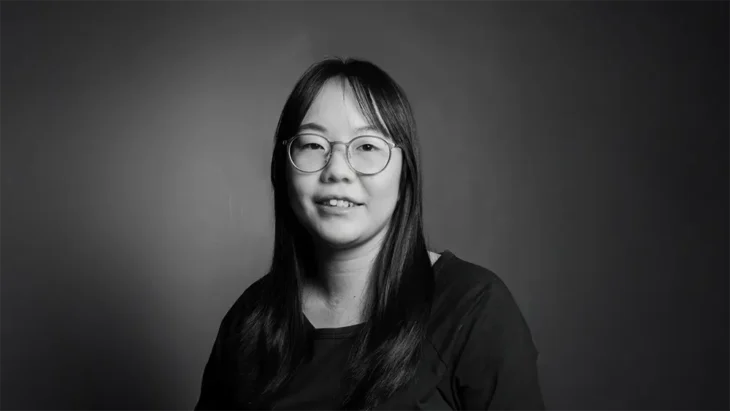
 Xinyue (Casey) Gu is an award-winning Motion Designer based in Los Angeles, working at the intersection of creative technology and storytelling systems. As the sole motion designer at Maxon, a creative software company with users in more than 80 countries, she plays a critical role in the company’s global brand communication, turning complex product ecosystems into clear visual narratives.
Her work directly shapes how Maxon tools are positioned, understood and adopted in the global creative industry.
Movement as a narrative system
While many motion designers focus on execution, Gu works at the level of the narrative system, approaching movement not as a decorative layer, but as a system that structures perception, orchestrates emotional rhythm, and translates abstract ideas into temporal experience.
With a background in marketing and formal training in Motion Media Design, her practice operates through a dual framework: the logic of audience communication and the intuition of emotional storytelling. Instead of pursuing visual innovation, he treats movement as a form of compression, distilling complex cultural, emotional and technological narratives into concise yet resonant sequences. This results in a body of work defined not by a fixed visual style, but by structural intentionality, where timing, transformation and transitions function as components within a larger system of meaning.
Across advertising, entertainment and creative technology
Gu’s methodology is developed through work spanning advertising, entertainment and creative technology, where movement operates under different constraints but retains its structural role.
At Black Math, he contributed to campaigns with public events, including work for Boston government, where movement was needed to balance clarity and engagement, acting as a tool for direct communication to a wide audience.
At Imaginary Forces, an Emmy-winning studio known for shaping the language of title design, he worked on major title sequences for global platforms such as Netflix. In this context, motion design works at the intersection of storytelling and branding, establishing tone, pace and audience expectations before performances begin. This experience informs her later work on structuring public perception at scale.
From storytelling to brand execution
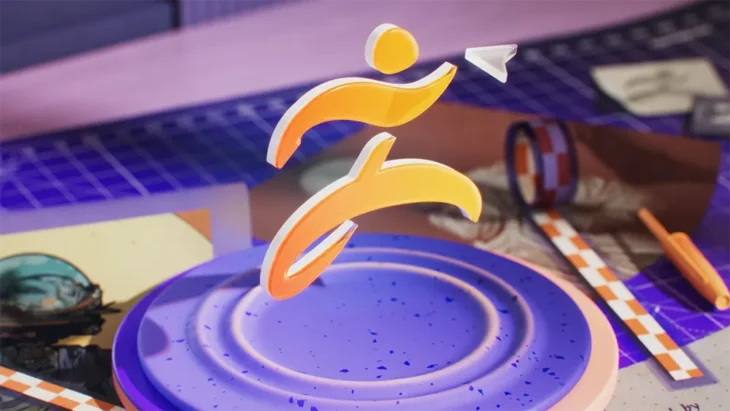
At Maxon, Gu’s role extends beyond production to brand communication strategy. As the company’s sole motion designer, she leads the development of motion-driven brand narratives that translate technical product capabilities into user-centric meaning in international markets.
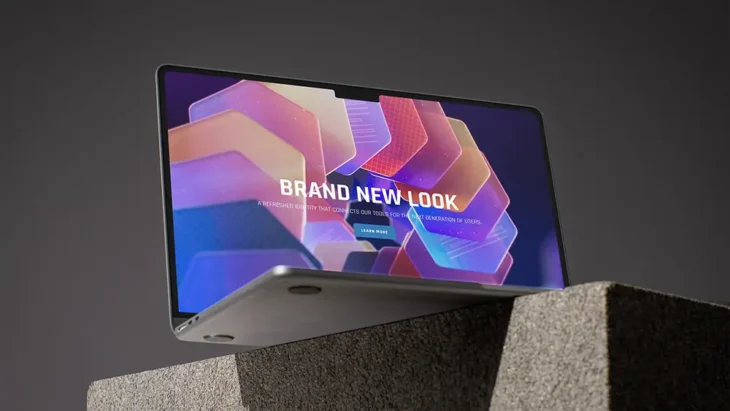
Her work on Maxon One Brand Expression Film exemplifies this integration. Rather than presenting software through a functional demonstration, the project constructs a narrative system that positions Maxon as an enabler of creative action within an evolving technological landscape. By aligning product messaging with user experience, the film connects technical functionality with practical and emotional relevance for its audience.
The project received international recognition, including features from Rebrand Gallery, Motionographer, Brands in Motion, Abduzeedo and Inspiration Grid, reaching a combined audience of over 325,000 creative professionals, as well as participation in the National Association of Broadcasters Show and selection by Behance. These recognitions mark more than visual distinction: the project has been cited in the design community as a model of brand communication in motion, demonstrating how creative technology companies can shift from product-centric messaging to narrative-driven branding systems.
Independent work as narrative research
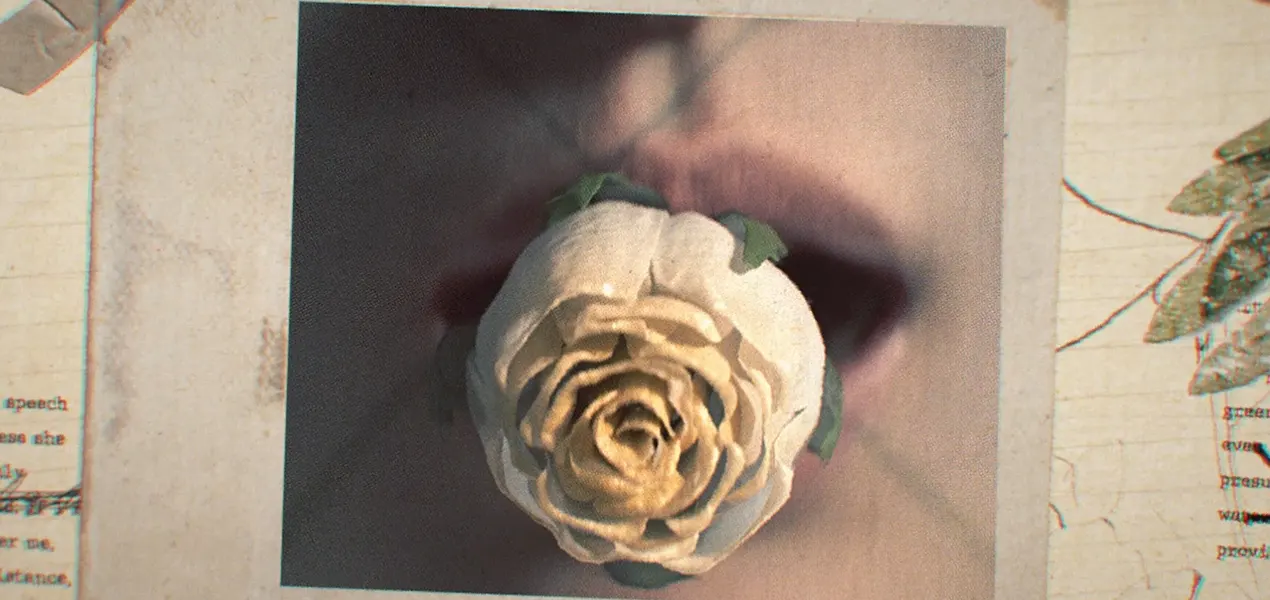
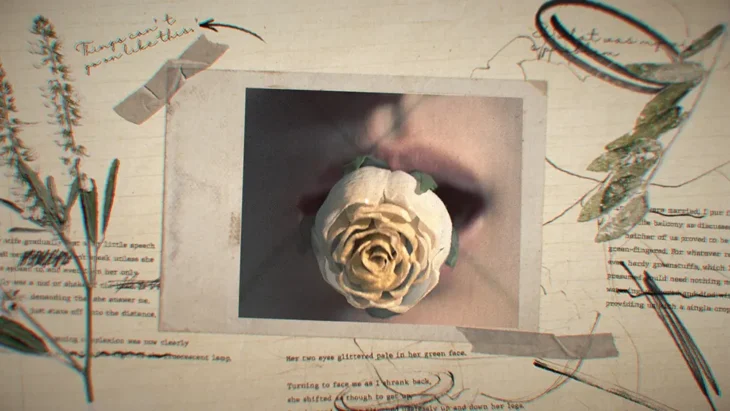
Gu’s freelance work is not separate from her commercial practice. It tests the same methodology to its limits. Her play The Fruit of My Woman, based on a story by Han Kang, explores themes of marriage, identity and quiet forms of control. Structured as an observational diary, the work traces a gradual transformation in which the protagonist loses her sense of self, becomes increasingly entangled with a plant, both nourished by it and diminished by it.
Rather than resolving the narrative, the work maintains a state of perceptual tension. Movement functions here as a temporal structure that accumulates anxiety, reflecting the protagonist’s loss of power. This reflects Gu’s broader approach: using movement not to illustrate narrative, but to construct experiential conditions from which meaning emerges.
The project received international recognition, including two Red Dot Awards selected from approximately 20 thousand global entries, Gold at the MUSE Creative Awards from more than 13 thousand submissions. It has been permanently archived by Stash magazine and has been recognized as one of the best works of the year. Rather than standing apart from her commercial achievements, these accolades reinforce her position as a motion designer whose work operates in both industrial and cultural contexts, validating a unified practice that bridges technological communication and narrative inquiry.
Extension of Motion Beyond Projects
Beyond design production, Gu contributes to the field through public speaking and knowledge sharing. He posts process-based content on YouTube, amassing over 1.6 million impressions, and has been invited to speak at Half Rez, the largest motion design conference in the central United States, as well as institutions such as Savannah College of Art and Design and the University of Houston. These invitations do not reflect general visibility, but recognition that he has a distinct perspective worth presenting.
As digital media continues to evolve under the influence of artificial intelligence, Gu situates motion design in a broader conceptual shift from tool-based production to system-based thinking. Her practice asserts a clear hierarchy: intention precedes effectiveness, and narrative precedes technique. In an age of increasing automation, the challenge is no longer to create movement, but to construct meaning within it.
In both commercial and freelance work, Gu consistently uses movement to bridge technology, narrative and cultural meaning. Her practice moves motion design from a production tool to a structured communication system. Working at this intersection and shaping how we understand the world’s creative tools, he represents a distinct voice in the motion design industry.
Words by editor Eli Porter.



