


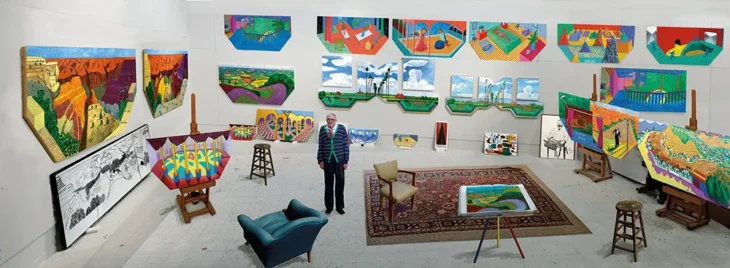
David Hockneythe British painter who reshaped modern art with his bold colors, innovative perspectives and unflinching honesty has died aged 88. His six-decade career spanned Pop, realism, photography and digital experimentation, leaving a lasting imprint on how we see the world.
Hockney first attracted attention in the 1960s with his sunny California paintings, depicting swimming pools, modern architecture and intimate moments with geometric clarity and brilliant color. Works such as A Bigger Splash and Portrait of an Artist (Pool With Two Figures) captured desire, love and memory in compositions that felt alive and timeless. These paintings reflected the openness and hedonism of Los Angeles, while challenging the conservative norms of Britain, where homosexuality remained illegal until 1967.
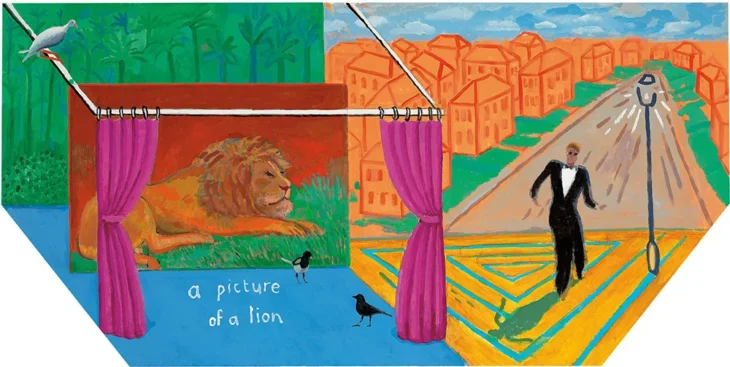
Born in Bradford in 1937, Hockney grew up in a politically conscious working-class household that fostered his early artistic promise. After studying at Bradford College and the Royal College of Art in London, he emerged as a revolutionary talent. Even in his formative years, Hockney pushed against academic conventions, experimenting with subject, form and narrative to explore queer identity and everyday life with an honesty rarely seen at the time.
Moving to Los Angeles in the mid-1960s, Hockney refined his technique, moving toward a measured realism enriched by abstraction and experimentation with perspective. His invention of “joiners”, photocollage portraits made from multiple Polaroids, allowed him to depict movement, time and changing viewpoints. These works combined cubist sensibilities with modern imagery, deepening the emotional and perceptual complexity of his portraits and landscapes.
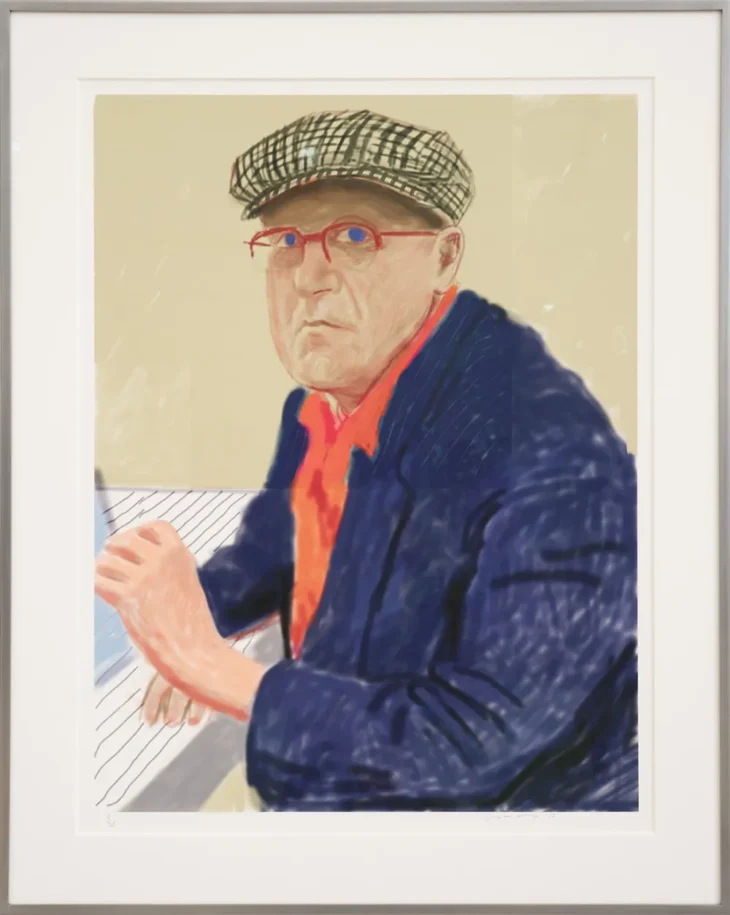
Hockney embraced technology throughout his life. From the first Polaroids and fax machines to digital paintings on iPads, he explored new ways to translate observation into art. Later landscapes of Yorkshire and Los Angeles reveal the same meticulous attention to light, space and color that defined his early work, capturing the subtle rhythms of nature and architecture.
Even in the midst of personal tragedy and health challenges, including a stroke in 2012 and the loss of his assistant in 2013, Hockney continued to produce work with unwavering energy. He turned down honors such as knighthood and invitations to paint royalty, focusing on creation rather than recognition. Beyond painting, he contributed to opera and ballet design, extending his visual language to performance.
David Hockney’s art changed the way we perceive color, form and intimacy. He revealed the extraordinary within the ordinary, challenged the conventions of representation and pushed the boundaries of medium and technology. His death marks the end of a life lived in ceaseless exploration, but his vision endures in every painting, photograph and digital work he leaves behind.



