


The standard chair is a normative object. It has a seat, back, often armrests and encodes in its very geometry a single, correct way of sitting: spine upright, feet flat on the floor, weight evenly distributed. However, many of us naturally deviate from this position by crossing our legs, leaning forward, putting one knee under our chin.
Bad Posture Chairs by Mara Bragagnolopresented at Milan Design Week 2026, begin by denying that there is a right way to sit. The collection of birch plywood chairs accommodates unusual positions, supporting a certain atypical sitting posture. The work arises, in part, from the observation of neurodeviant behavior in the seat.
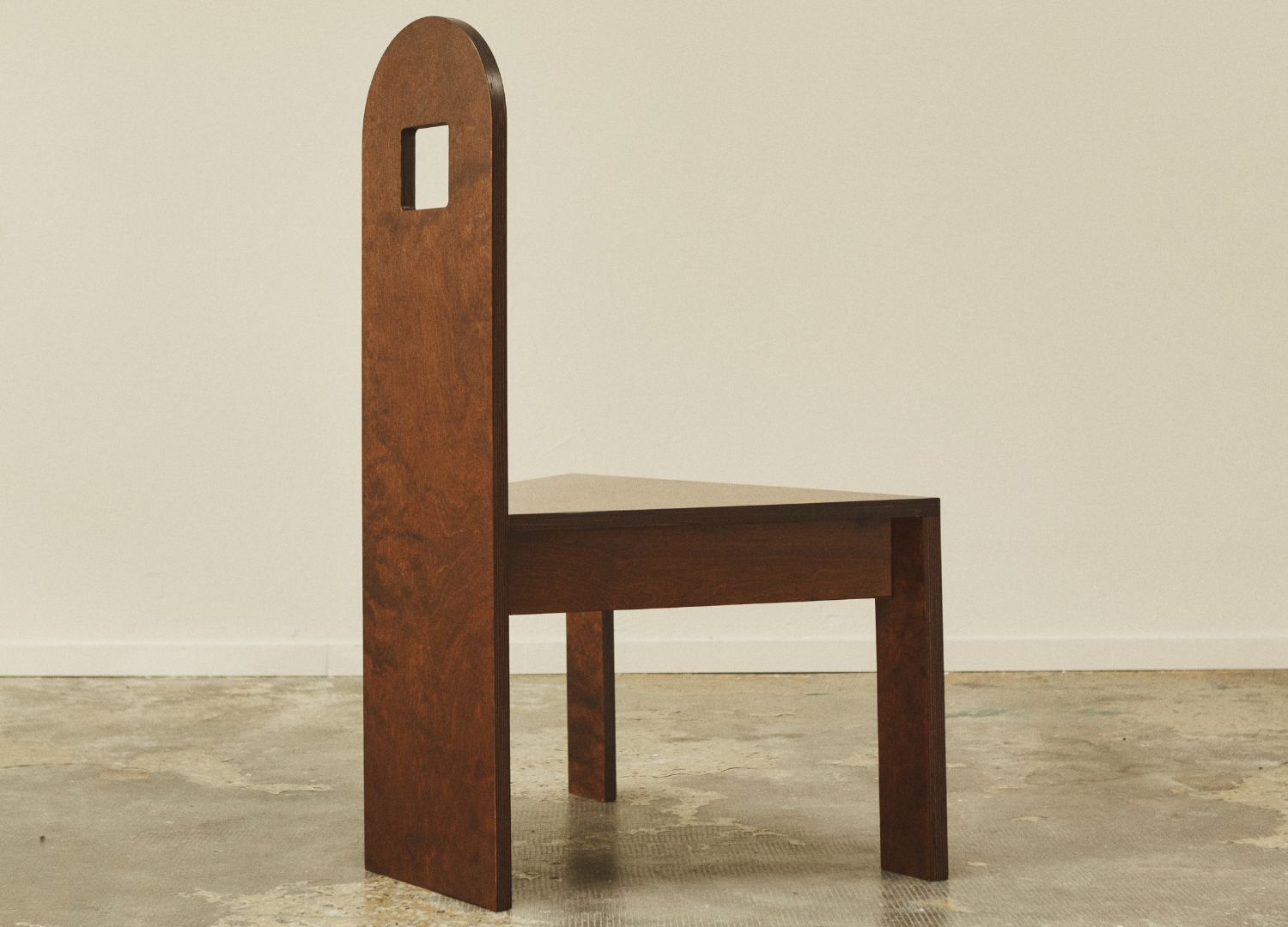
Bad posture chairs by Mara Bragagnolo © Federica Borgato
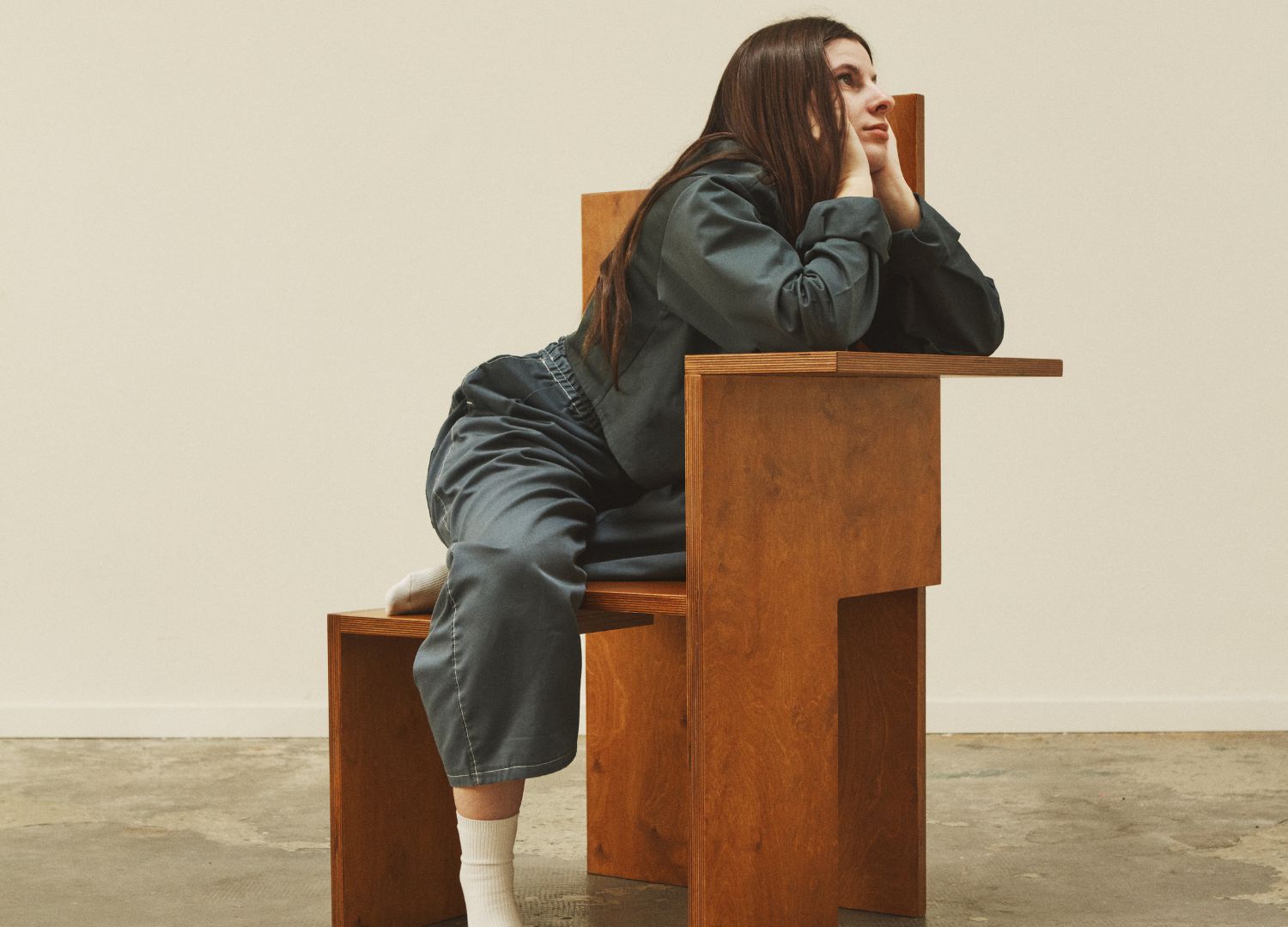
Bad posture chairs by Mara Bragagnolo © Federica Borgato
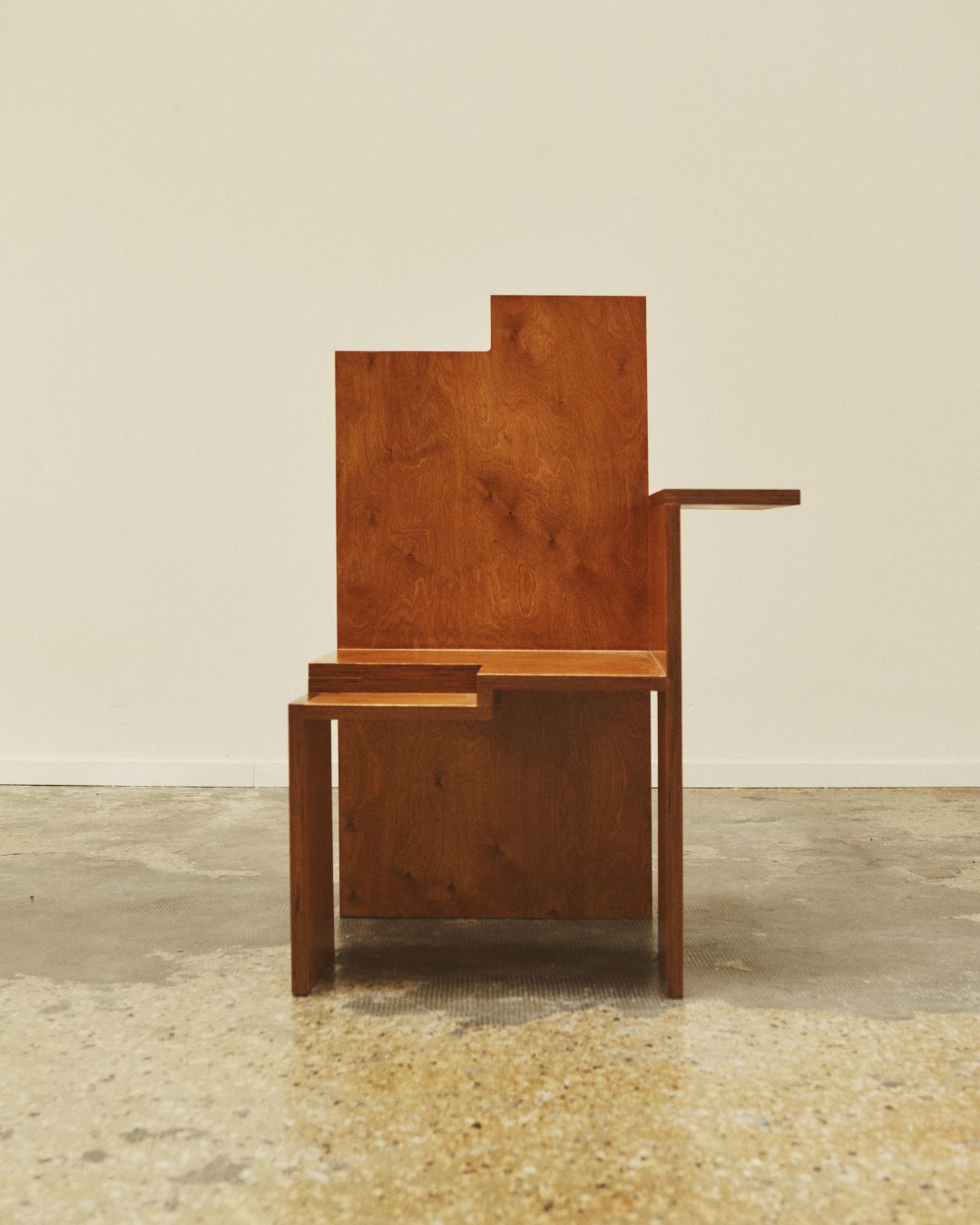
Bad posture chairs by Mara Bragagnolo © Federica Borgato
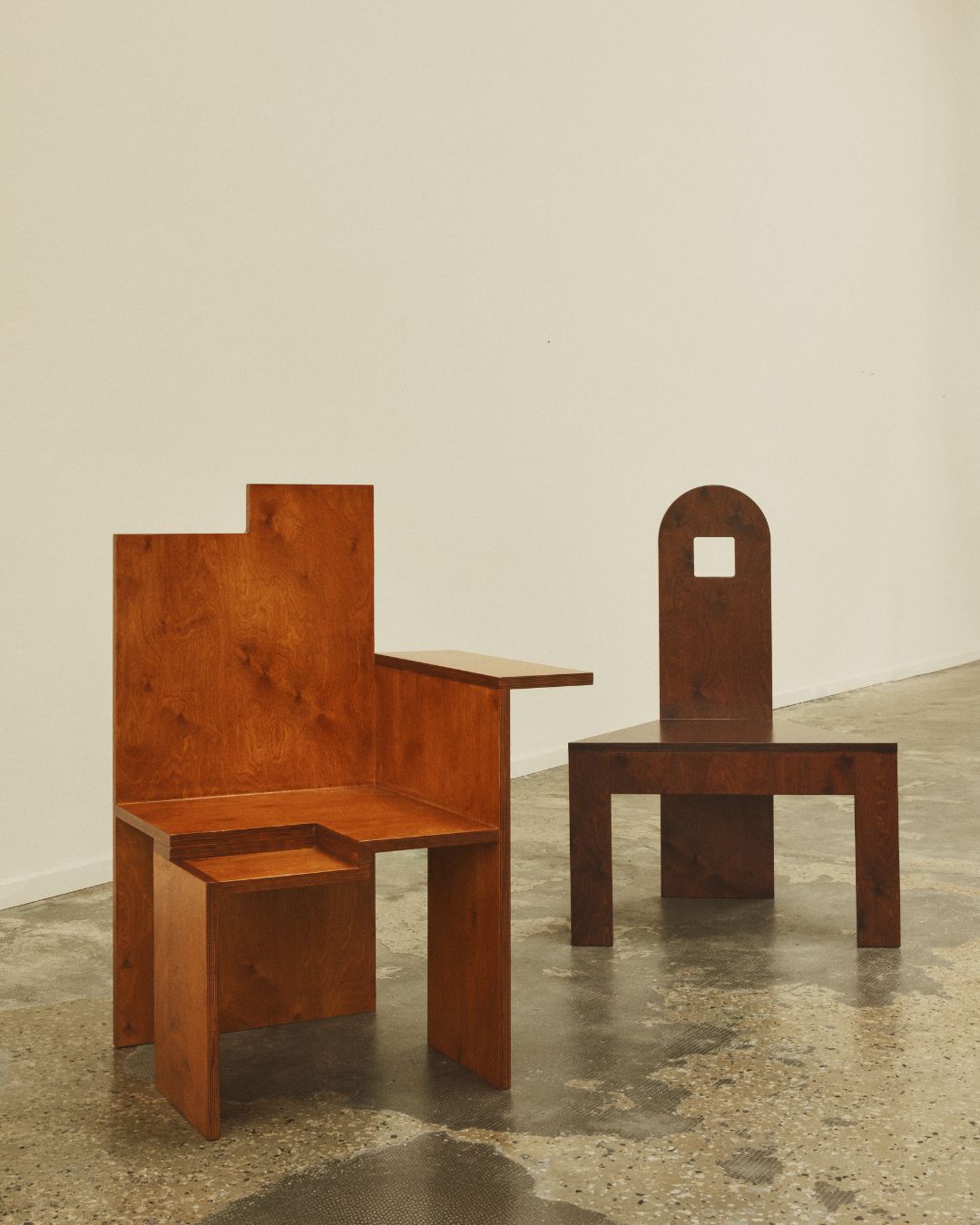
Bad posture chairs by Mara Bragagnolo © Federica Borgato
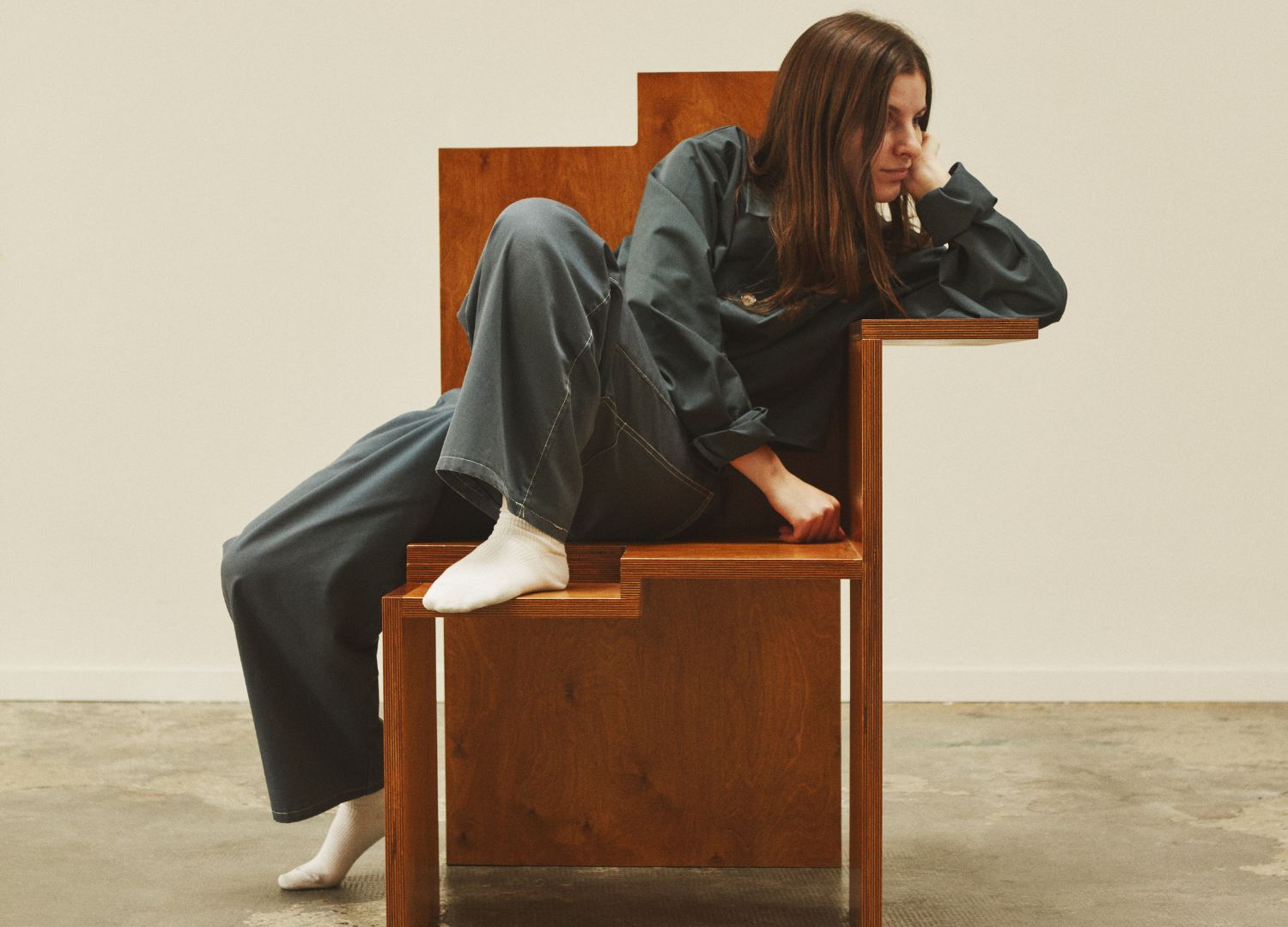
Bad posture chairs by Mara Bragagnolo © Federica Borgato
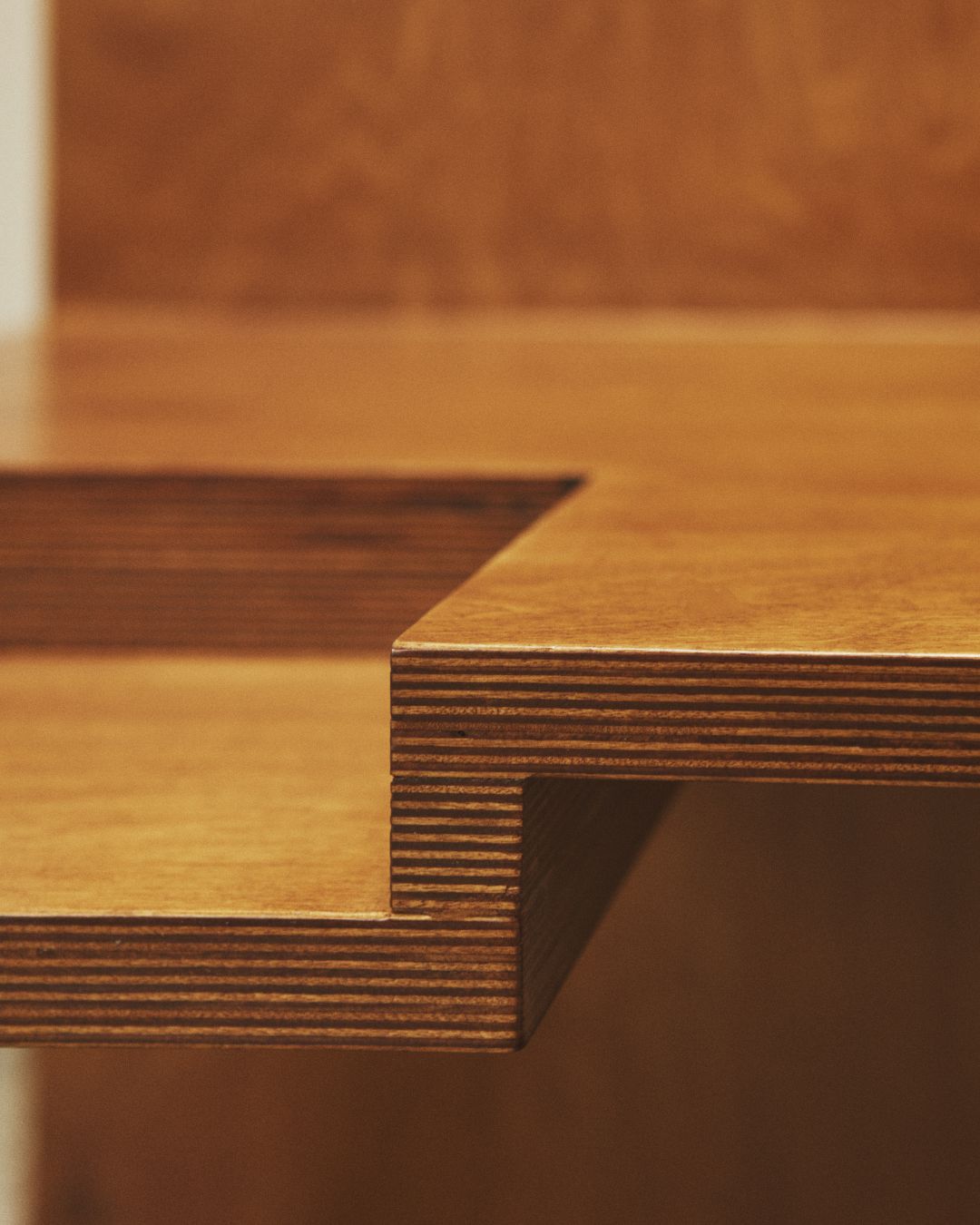
Bad posture chairs by Mara Bragagnolo © Federica Borgato
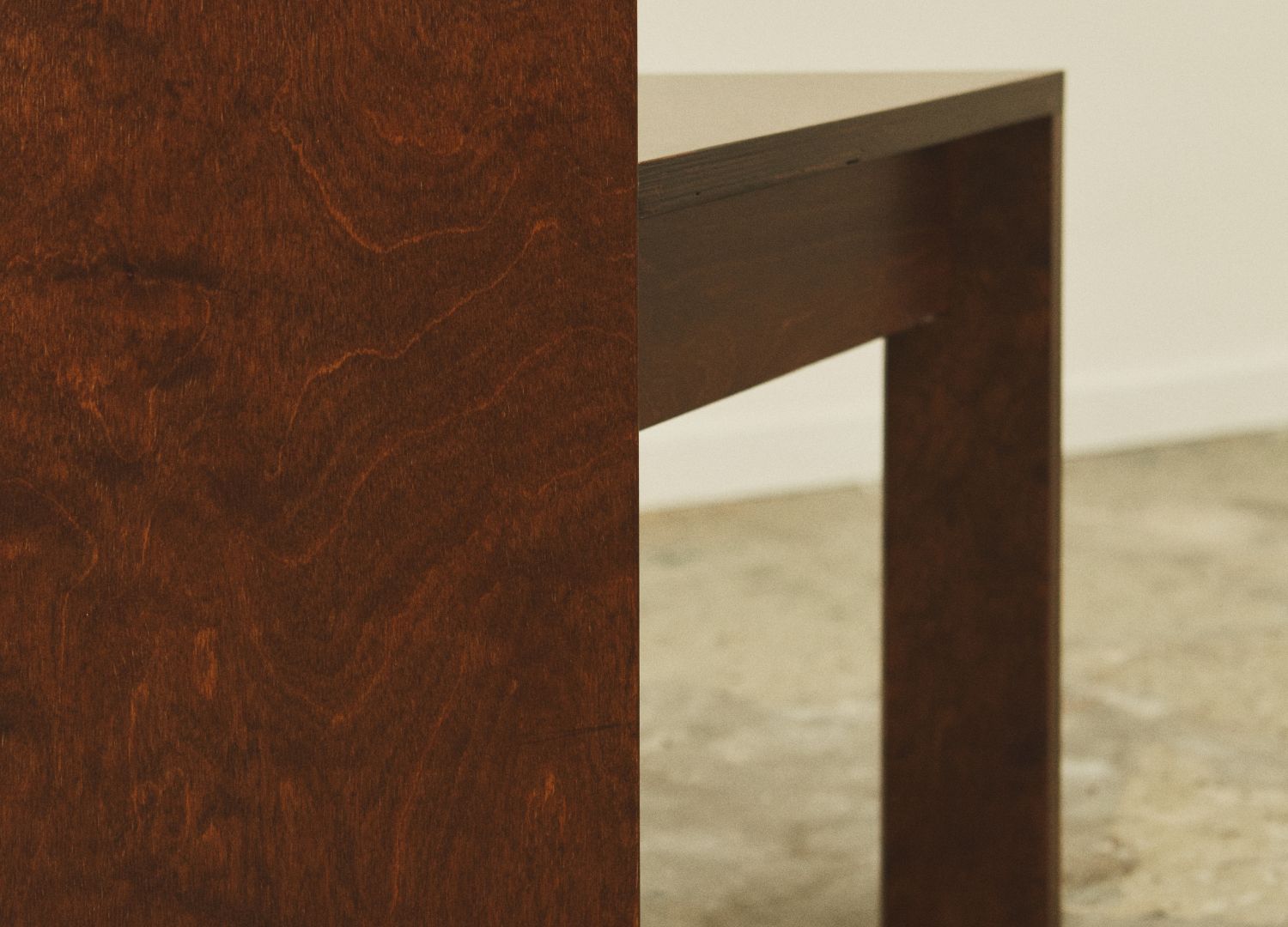
Bad posture chairs by Mara Bragagnolo © Federica Borgato
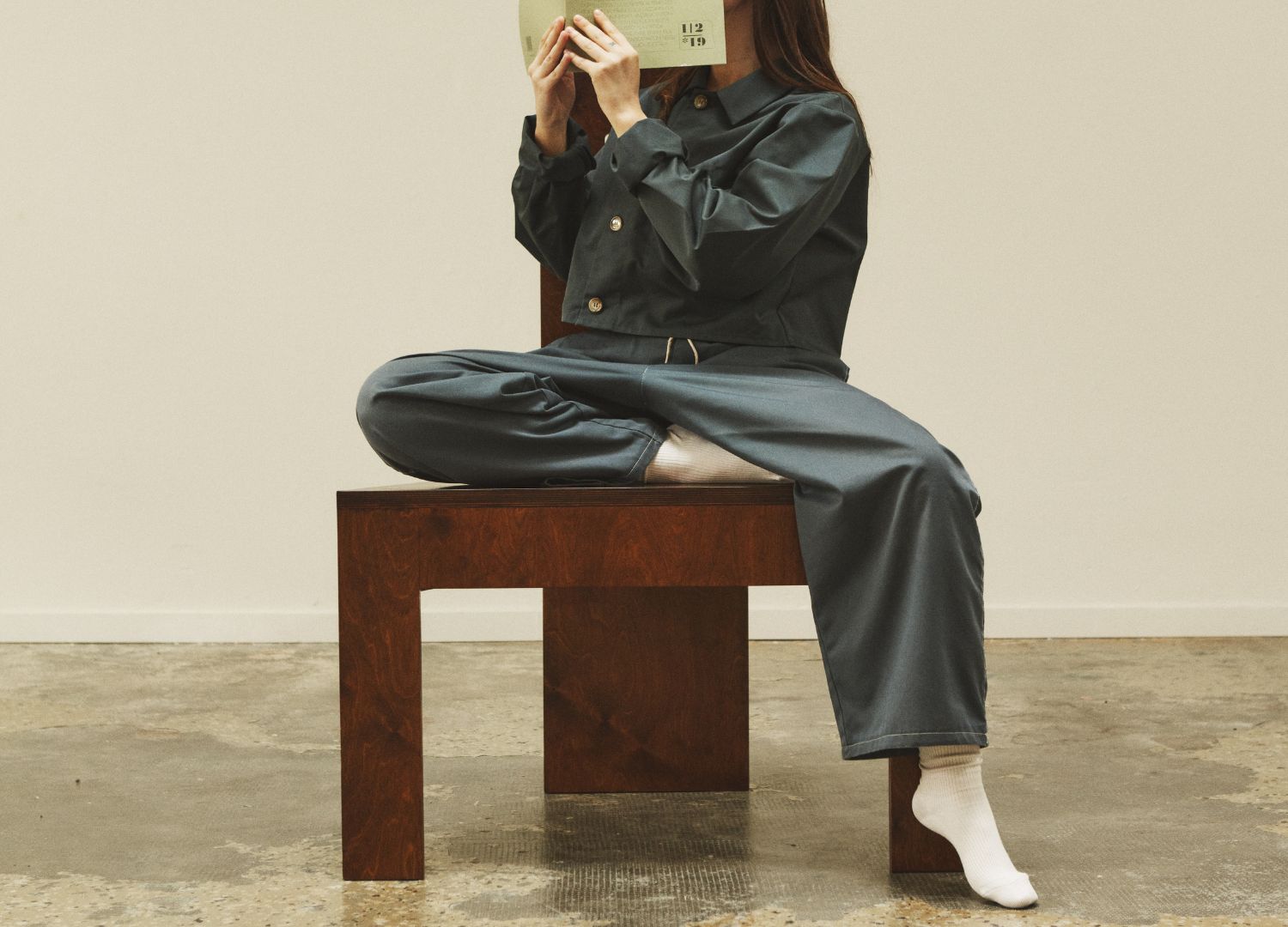
Bad posture chairs by Mara Bragagnolo © Federica Borgato
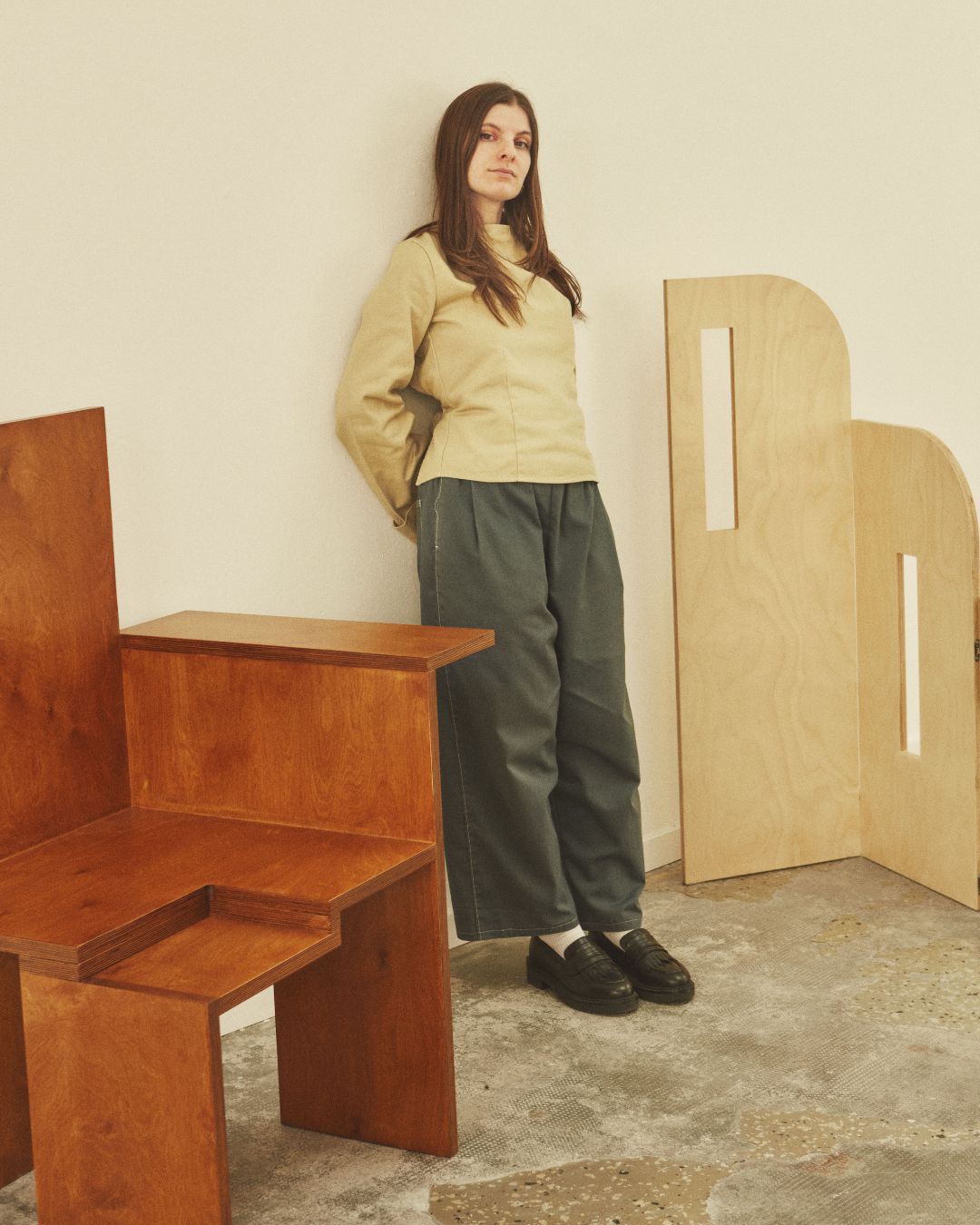
Bad posture chairs by Mara Bragagnolo © Federica Borgato
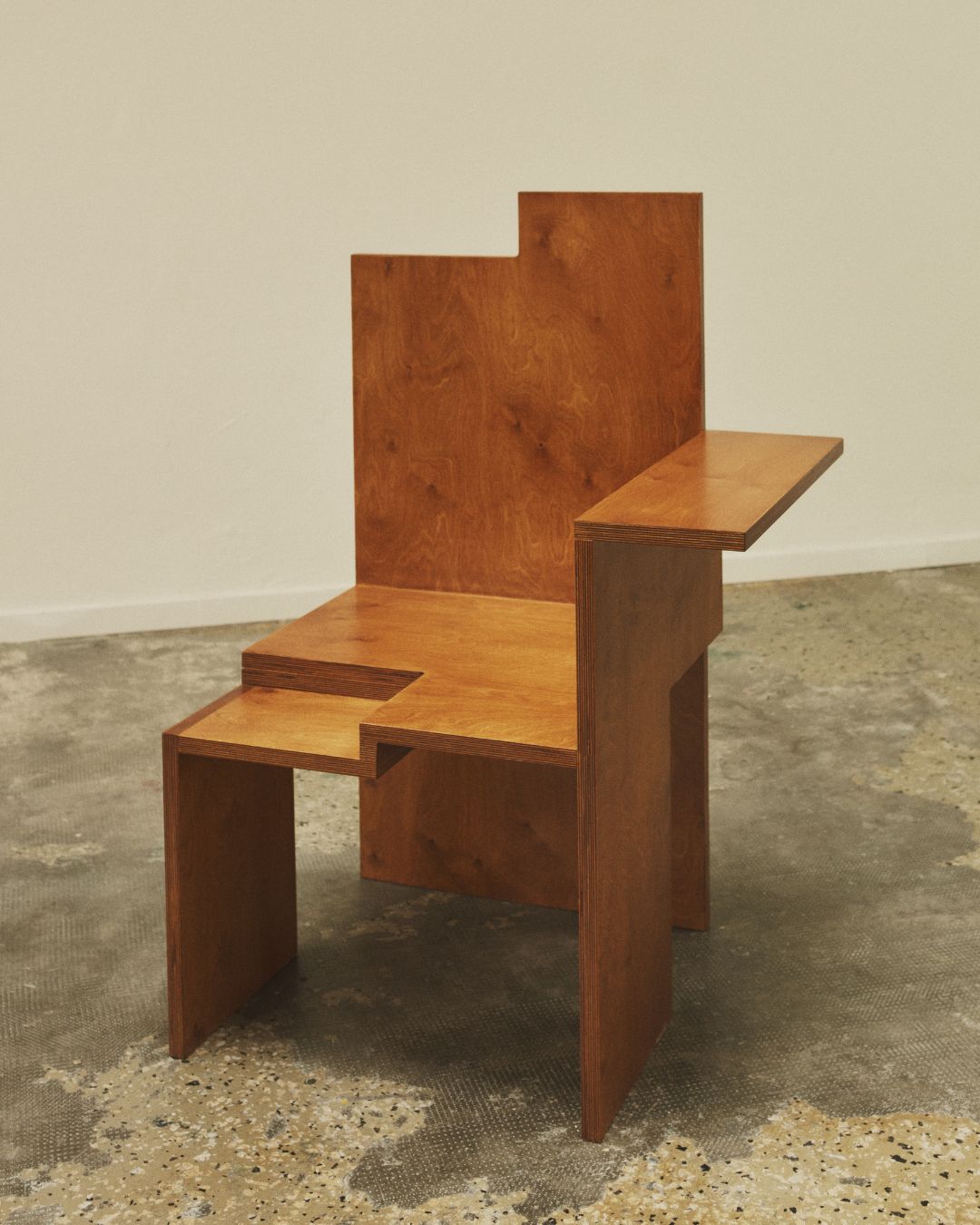
Bad posture chairs by Mara Bragagnolo © Federica Borgato
Research has shown that people with ADHD may unconsciously seek the right balance of sensory input in order to focus on tasks. Standard seats not only fail to support these postures, they actively frustrate the regulatory function they serve. We spoke with Mara to better understand the project.
Where did you get the idea to design for neurodivergence and unconventional seating?
Mara Bragagnolo:
“The idea started from my own personal experience. I would always sit with one leg up, or cross-legged, and I would always be told that I was doing something horribly wrong, even though it was the most natural and comfortable way to sit, and really, I didn’t hurt anyone. I’m certainly not the only one who sits in unconventional, especially unconventional positions.
Many people find comfort in awkward positions, leaning over, feeling pressure in certain parts of the body, and having the body in “difficult” positions because it helps them focus on other tasks. The idea of designing for neurodeviance and unconventionality is also a way to challenge norms in a broader sense and highlight that normal doesn’t really exist and for that reason, design should reflect the diversity of experiences.”
What was the research and experimentation process like to decide what kinds of poses to include in your designs?
Mara Bragagnolo:
“Since this is a project I’ve wanted to do for years, I’ve always observed and noticed how people sit, so it’s been an ongoing research project for a long time. When I started the design process, I started asking people, especially neurodivergents, what their preferred way of sitting was, and I gathered a lot of experience.
I’ve also been researching online, on forums like Reddit, where I’ve found that so many people have been asking questions like, “Am I the only person who sits like this?” I wanted to design chairs that felt like they were designed just for these people, that made people feel seen and that their specialized behaviors were taken seriously and designed for their comfort.
In the experimentation process, I created cardboard prototypes to try to create shapes that would allow for these multiple positions and asked people to test them. Bad Posture Chairs has now started with two chairs, but it is only the beginning of this project. My idea is to expand the collection based on the feedback and needs I receive and continue to design them based on newly discovered attitudes.”
What does “comfort” actually mean to you as a designer?
Mara Bragagnolo:
“Think plan sometimes it creates an idea of how things should be and how we should interact with them, and it often feels limiting. I love designs that allow for interpretation, that can change based on how people perceive them and decide to use them. This is a virtue we all have as children and lose as we grow up, trying to conform to society’s rules and expectations. So comfort to me means being able to create something that would allow people to be fully themselves, where the plan fits around them, and not the other way around.“



