


Dessert born of his direct experience Adrian Lopez Velarde and Marte Cazarez in fields such as furniture design, automotive and fashion: after seeing first-hand the impact of materials on entire manufacturing ecosystems, they chose to leave behind traditional career paths to build something new.
They then embarked on a two-year period of intense research and development to propose low-environmental-impact alternatives, starting with a question both simple and urgent: what if it was possible to create materials without harming the planet?
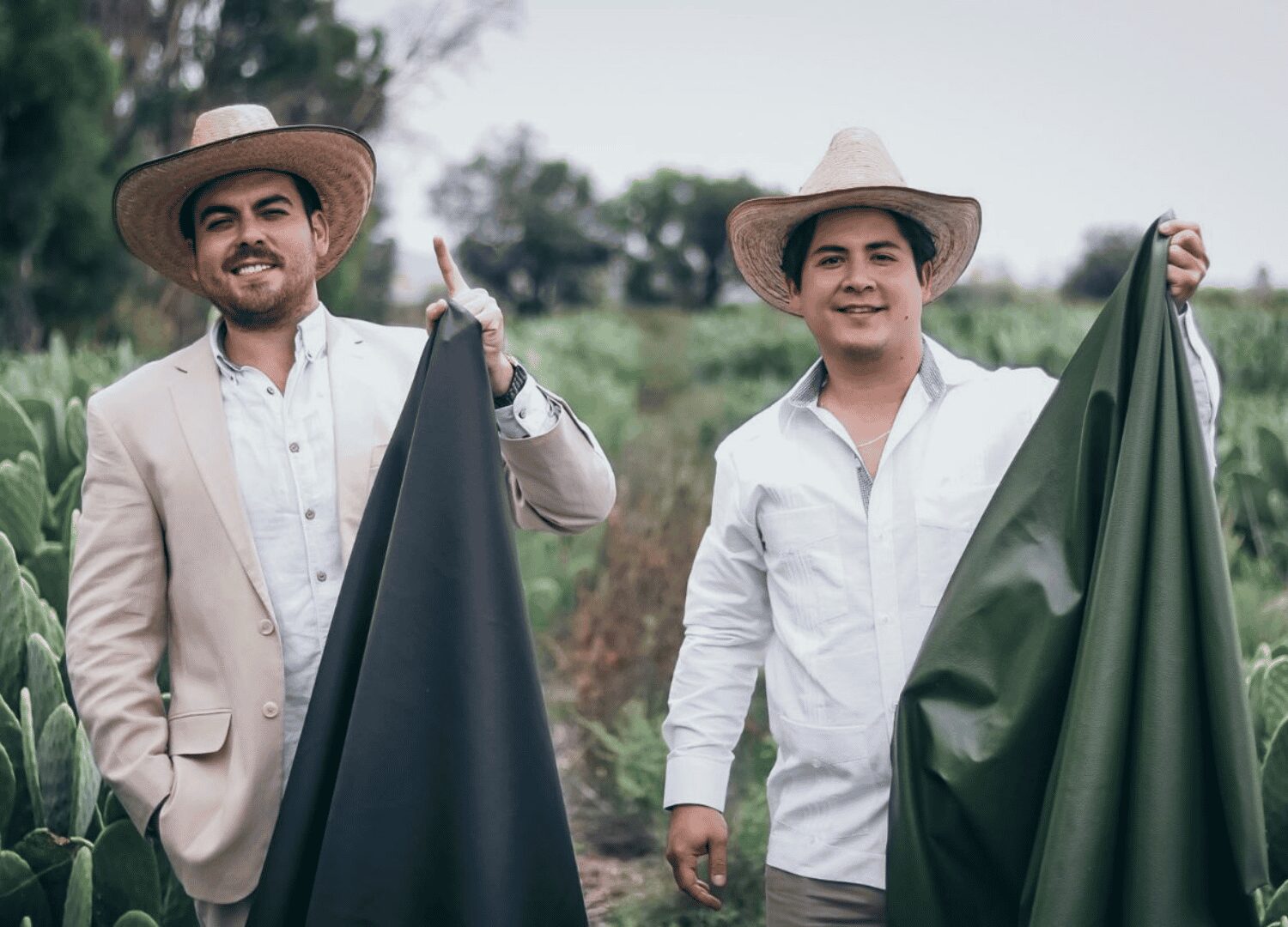
Adrián López Velarde and Marte Cázarez © Desserto
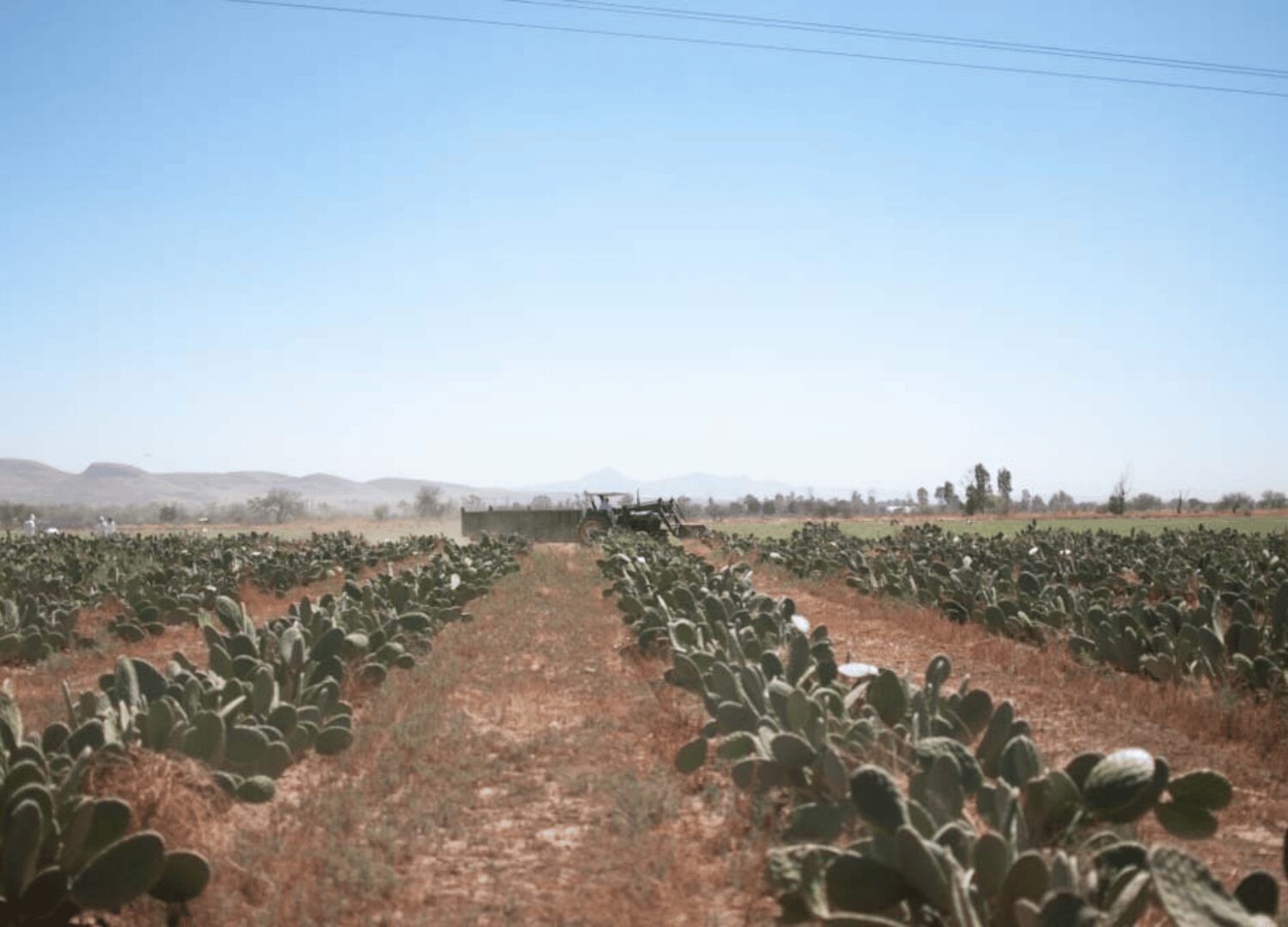
Nopal Cactus © Desserto
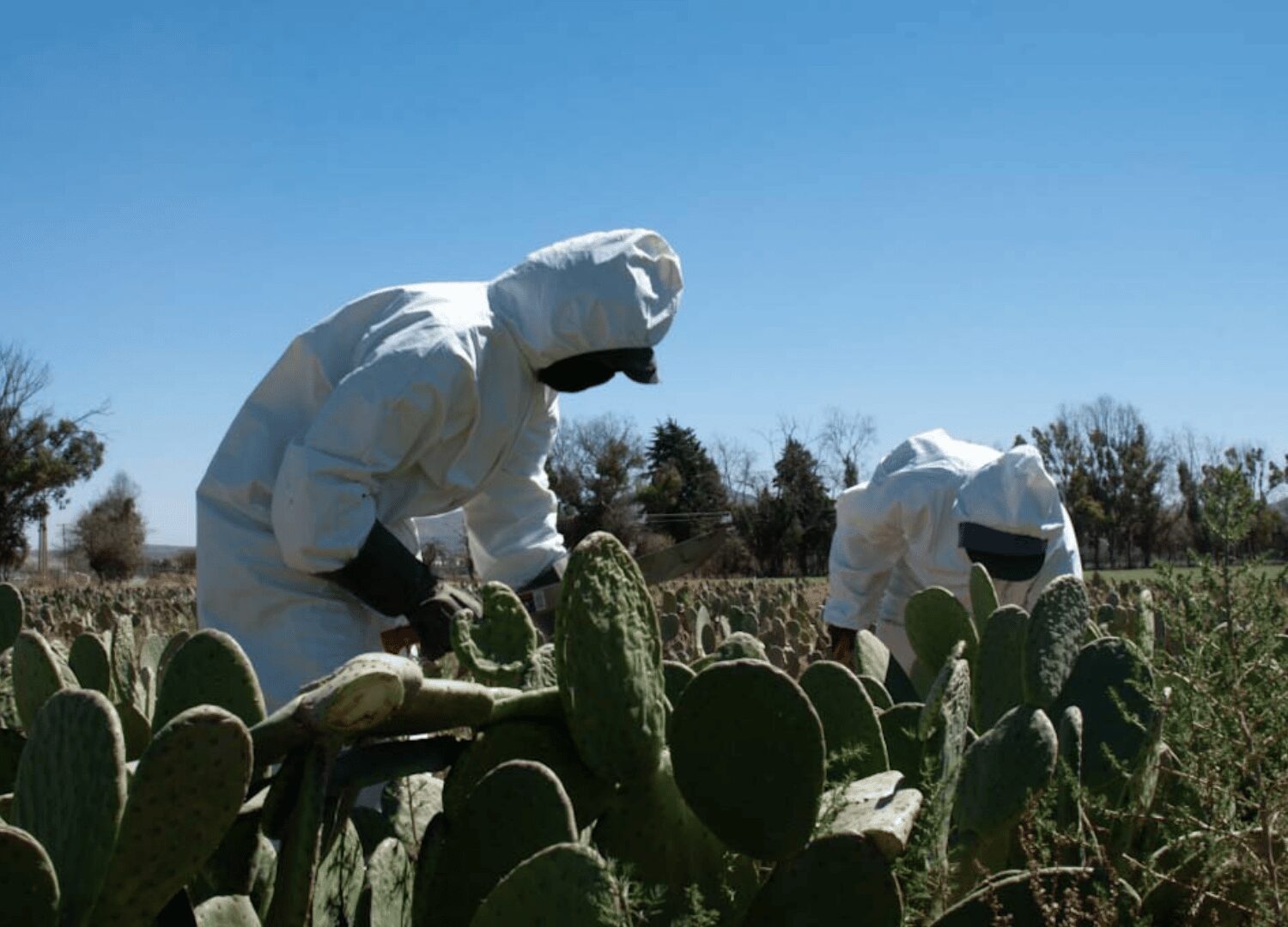
Harvest © Desserto
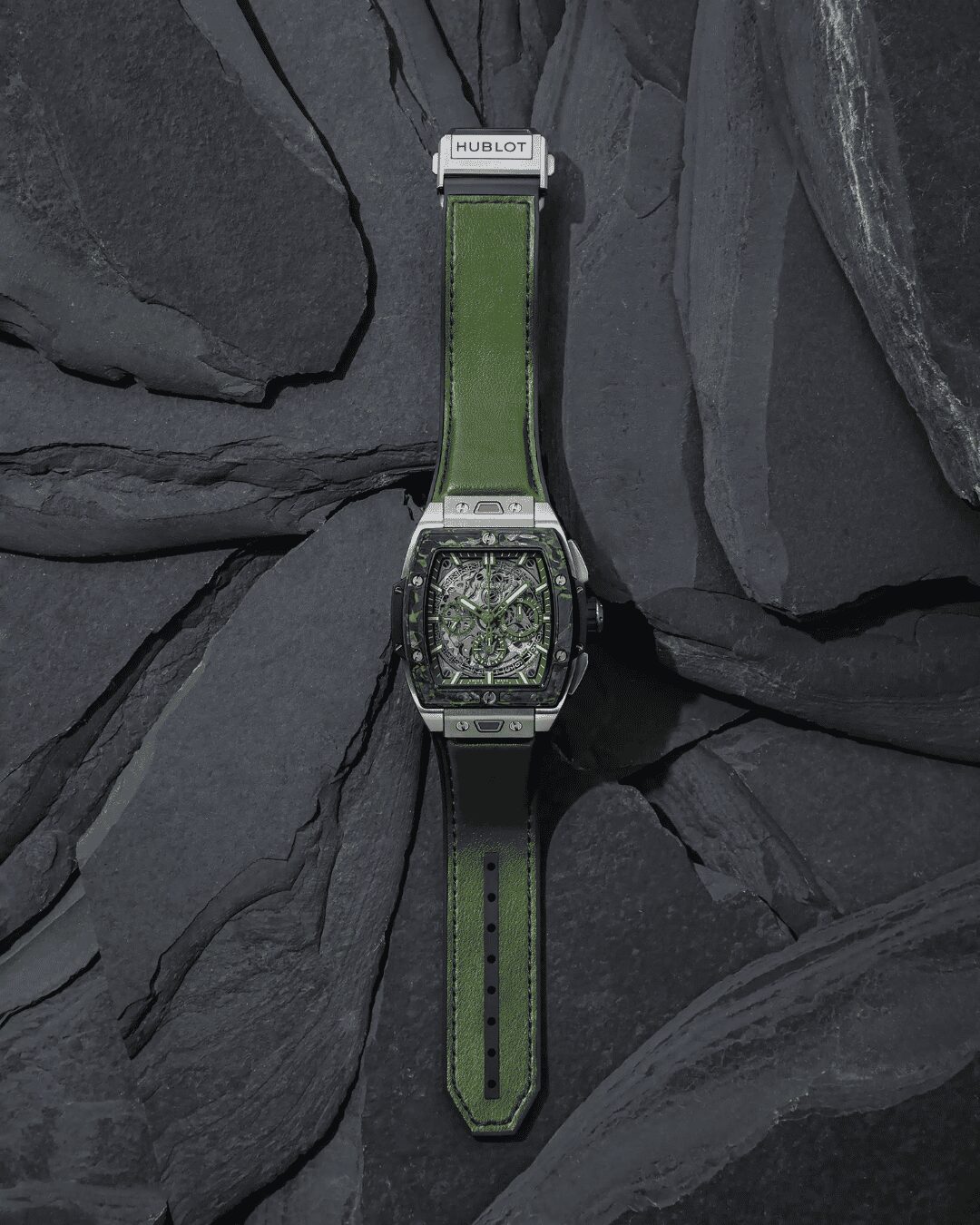
Dessert x Hublot © Hublot
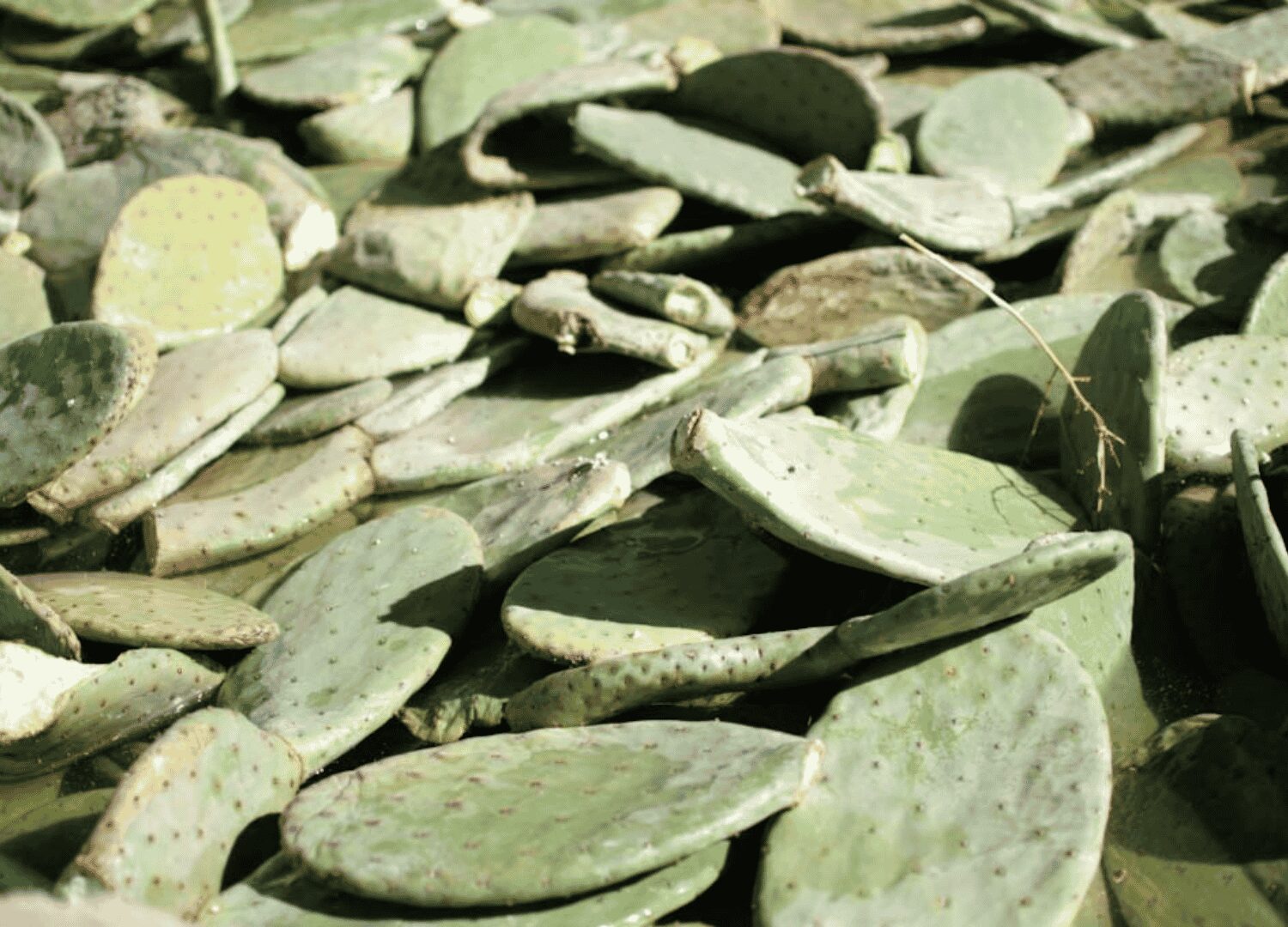
Nopal Cactus © Desserto
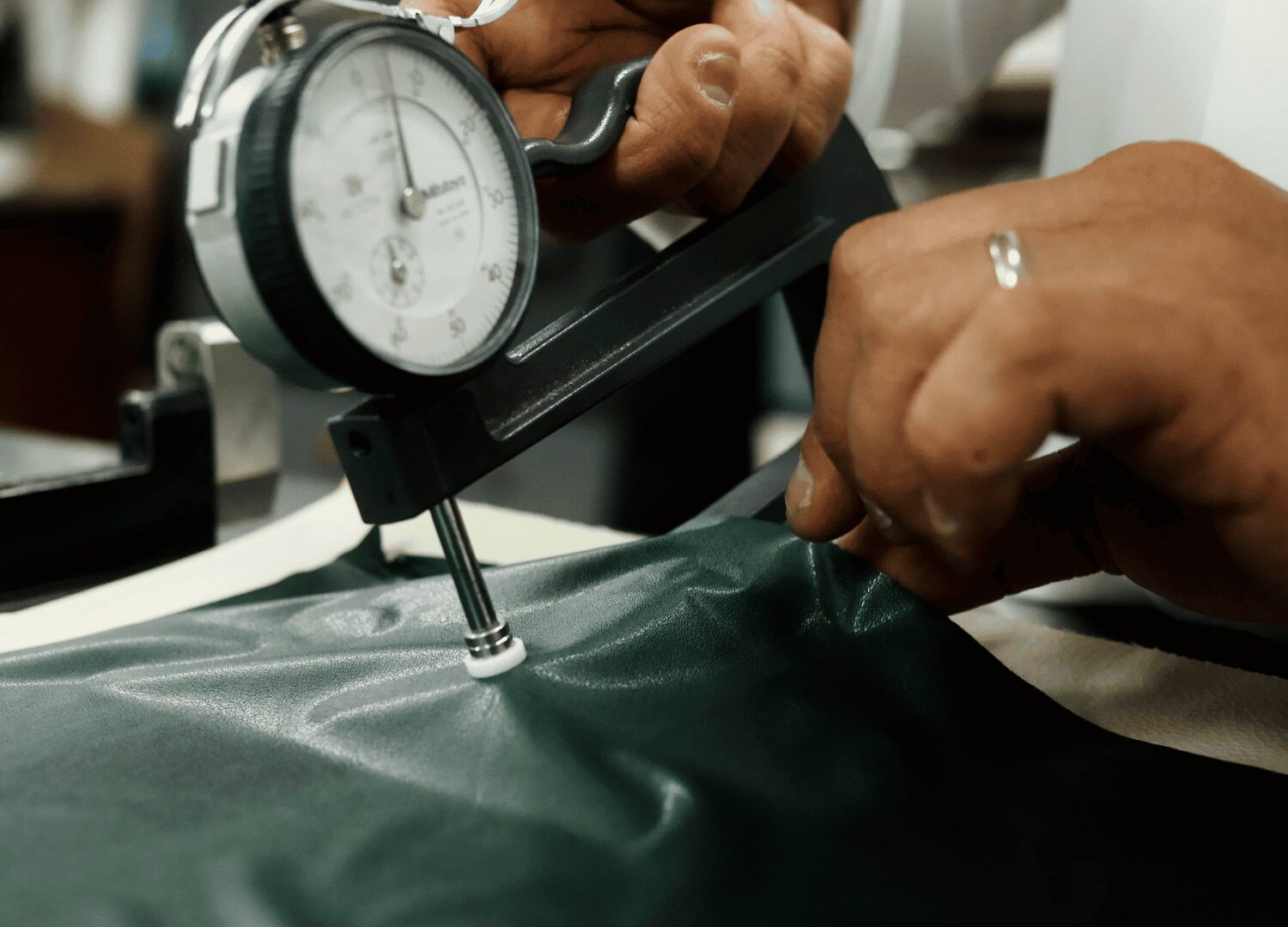
Edit © Desserto
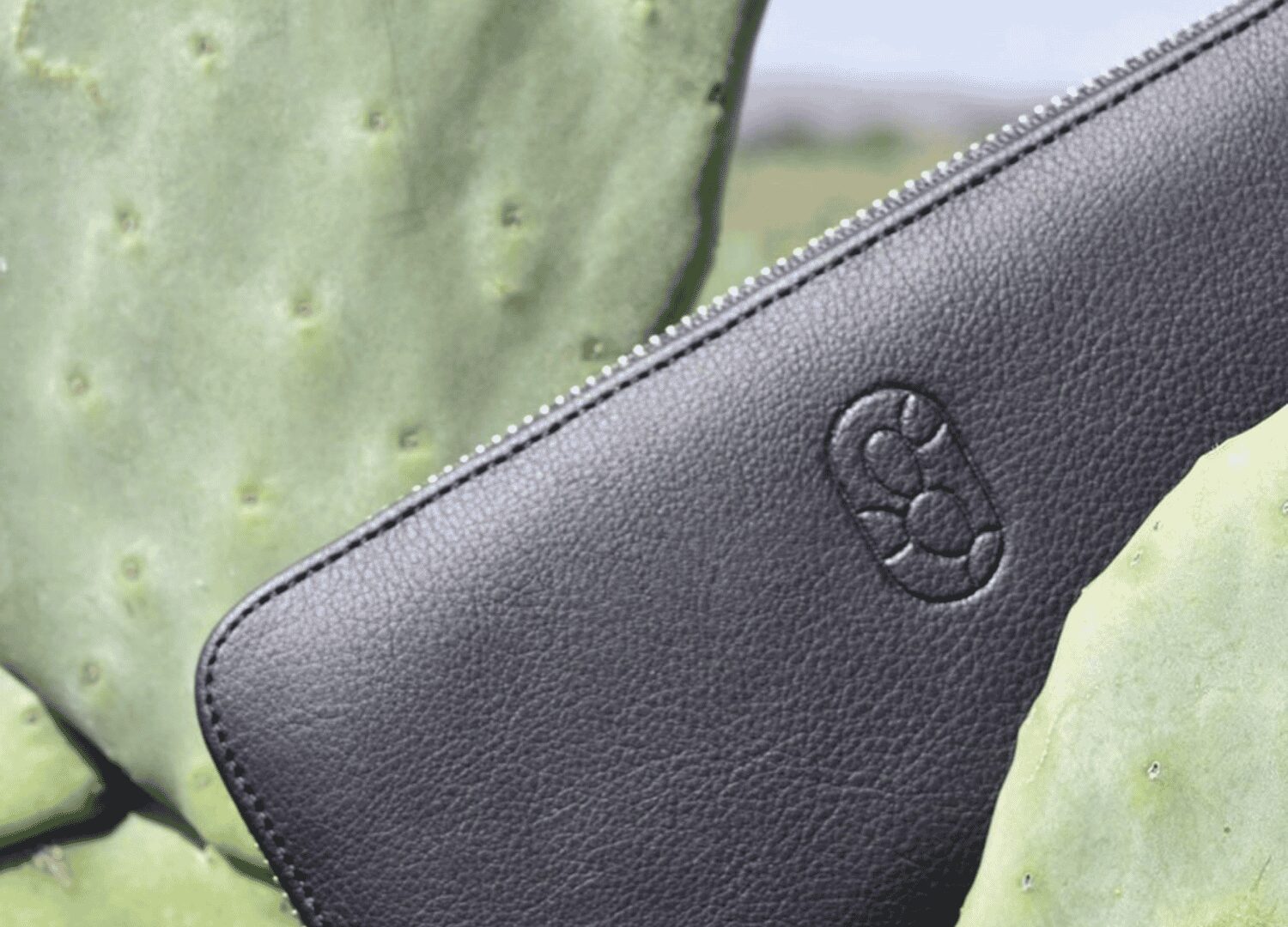
Application of the biomaterial © Desserto
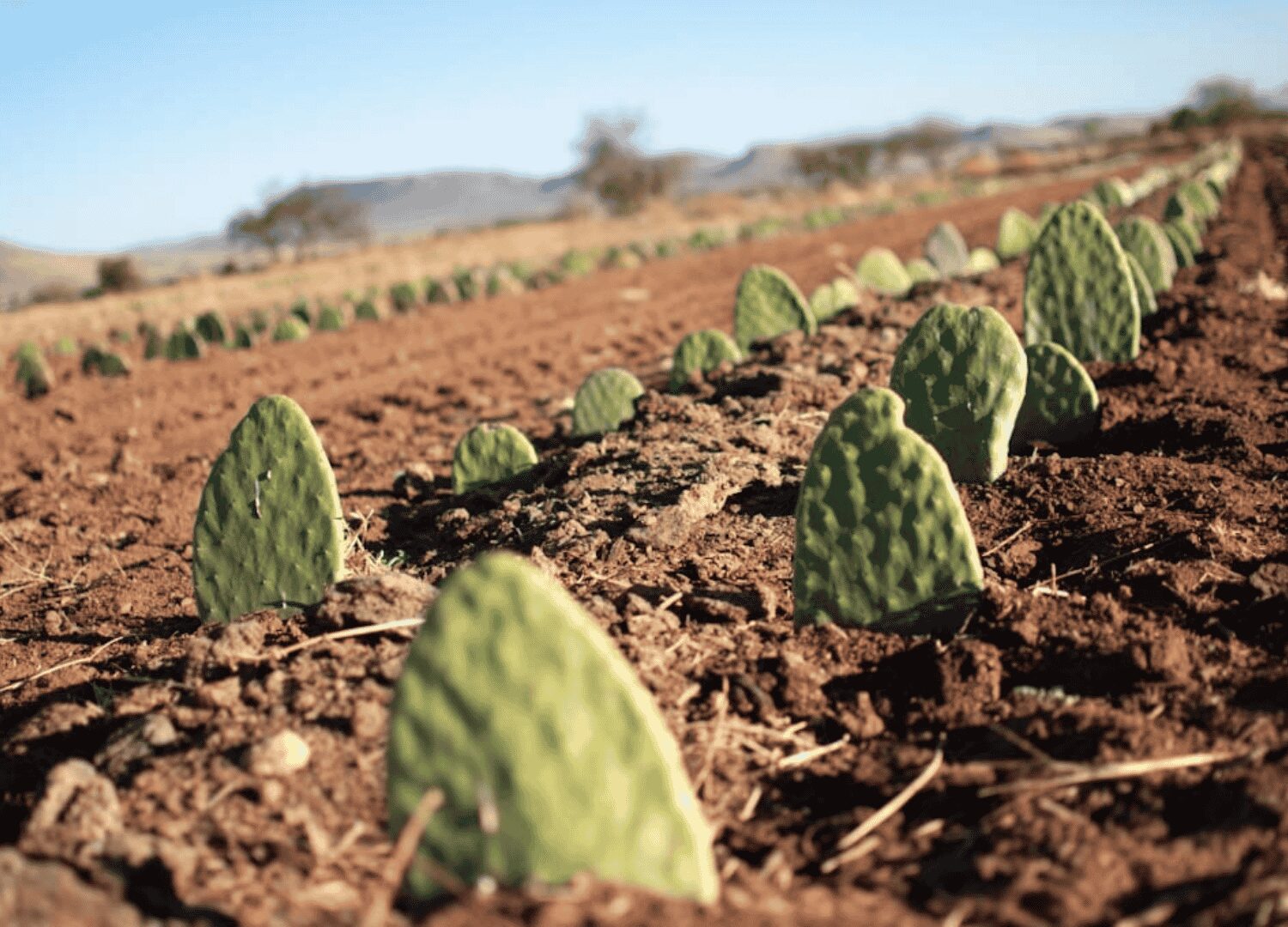
Nopal Cactus © Desserto
Desserto’s approach to sustainability challenges conventional design:
More than a material, a new way of designing
Produced by Adriano Di Marti SA de CV, Dessert officially launched in Milan in October 2019: it is a cactus-based material made from nopal cactus, able to meet the needs of design, high performance and minimal environmental impact at the same time. Unlike other biomaterials, the proposed solution is already designed to support industrial demand, be scalable and show how it is possible to imagine new alternatives.
“For us, this is not just a company. It is a specific commitment to developing innovative cactus-based materials and expanding the possibilities offered by materials innovation.” the group explained.
A holistic approach to sustainability
The commitment goes beyond the application of the material and starts from the ground up, from the land itself: Desserto is committed to promoting agriculture through innovative practices and responsible ecosystem management. Starting with the context – a dry and desert environment affected by the effects of climate change – the team chose the nopal cactus plant (Opuntia fig-indicapopularly known as prickly pear), which, thanks to its unique characteristics, has an excellent ability to adapt to the most critical climatic conditions.
The plant originates from Mexico, which still represents the leading producer and consumer in the world today. The native species chosen by Desserto, a CAM cactus, has a highly efficient water-use metabolism: it absorbs CO2 during the night and minimizes water consumption through its natural hygroscopic mechanism. Crops such as wheat, rice, soybeans and cotton generally require about 1,000 liters of water to produce 1 kilogram of dry matter, while the cactus achieves the same result using only 200 liters, collected autonomously by the plant.
Beyond thriving in desert environments, it can also be used to reclaim degraded land. The crop is perennial and can last for about 8 years – unlike other crops such as maize, which are annual. To create the material, only mature leaves are harvested every 6-8 months, ensuring minimal impact on the plant.
A low environmental impact process
After harvesting, the leaves undergo a natural drying process in three-day solar drying chambers, eliminating the need for additional energy. The organic raw material is then transformed into Desserto, following the patented formula. All cactus parts not used in the process are exported and sold to the national food industry.
The brand is committed to remaining completely organic, without the use of herbicides or pesticides. Through its agricultural practices it promotes biodiversity by preserving the native flora and creating a habitat for the local fauna. No trees are cut and organic farming stimulates the presence of microflora and microfauna in the soil.
The dessert is the first organic material developed from the Nopal cactus and is not only environmentally responsible, but also offers a wide range of colors, thicknesses and textures capable of meeting the ever-evolving needs of different industrial sectors.
From the material to the production system
The brand is much more than a simple hardware solution: on the one hand, by controlling the entire value chain – from land management to production – it transforms agricultural innovation into scalable bio-based solutions. On the other hand, it guarantees full transparency and traceability throughout the supply chain, encouraging new sustainable social practices.
A further commitment is the goal of achieving carbon neutrality: on the 14 hectares of land, around 8,100 tonnes of CO2 are absorbed each year, while the agricultural company’s annual emissions amount to just 15.30 tonnes. Increasing nopal cultivation in areas undergoing desertification could represent a strategy to reduce the accumulation of CO2 in the atmosphere.
As the founders explain: “As material developers, we accept the responsibility that comes with every creative process. We design with full awareness of our impact, aiming not only to reduce harm, but also to concretely improve the way materials interact with the world around them. For us, sustainability is not an option: it’s a fundamental principle.”
“Change cannot be done in isolation”
To drive change, it is necessary to create partnerships, and Desserto already counts many valuable partnerships: from the most recent partnership with Hublot to create a limited edition custom watch strap, in boxing gloves for Adidasfrom a collection of cactus leather bags and accessories for Karl Lagerfeld in its interiors Mercedes-BenzThe electric concept car VISION EQXX.
Just a few years after entering the market and proving the effectiveness of a design approach designed for industrial systems, the material already boasts many applications that demonstrate the possibility of integrating high-quality, low-impact alternatives into a large-scale production system. The greater the number of consumers to whom this solution can be offered, the greater the potential for the change to spread.



