


When preparing a rental property, the first impulse is often to spend as little as possible. The problem is that immediate savings, if made on the wrong materials, risk double spending in a few months. A piece of furniture that crumbles, a kitchen counter that gets dirty, a floor that gets scratched or a wall full of marks forces the landlord to intervene every time a tenant changes, with accumulated costs and wasted time.
Therefore, the smartest choice is not to buy fragile furniture just because it is cheap, but to focus on durable, washable surfaces designed to last. Today there are materials that are accessible, aesthetically pleasing and much more robust than the economical solutions of the old generation. They are what allow you to keep the house tidy, current and pleasant in the photos of the ads, even after several changes of tenants.
Real savings start with the right furniture
For kitchens, wardrobes, containers and bed frames, the most practical material is with high density melamine. Compared to matt lacquer or veneered wood, it requires less care, is easy to clean and better resists scratches, light knocks and detergents used with little delicacy.
Newer versions do not have the plastic look of older laminates. They reproduce wood grain, stone effects and material surfaces with a much more refined visual effect. The main advantage, however, remains technical: the surface layer treated with thermosetting resins protects the panel from daily wear, from hastily inserted keys, from suitcases bumping into the edges and from intensive cleaning.
A detail that should not be underestimated is the ABS liningeven better if applied with a laser and with a thickness of at least 1 or 2 millimeters. This finish protects the corners, prevents the edges from being easily damaged and reduces the risk of moisture penetrating the interior of the panel. In a rented house, where not everyone will have the same care as the owner, it is a choice that really makes a difference.
Kitchen floors and worktops: where it pays to invest better
Horizontal surfaces experience the most stress. Cracked chairs, strollers, shoes, misplaced pots, spilled coffee, lemon, oil and harsh detergents can quickly damage delicate materials. For this reason, in a rental apartment, thin parquet floors and surfaces that are very porous may become impractical.
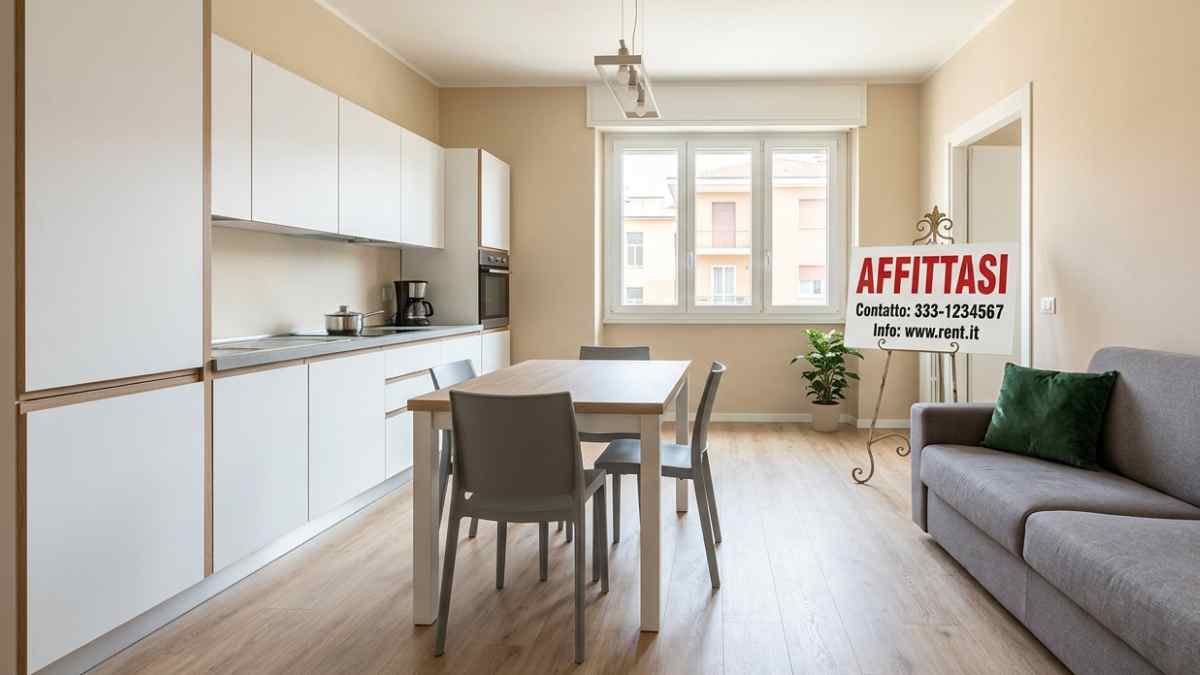
A very effective solution for floors is SPC floating heterogeneous PVC. Installed over the existing floor without demolition, it is waterproof and offers good resistance to stepping on, minor impacts and furniture dragging. It also has an important advantage: if we need to intervene tomorrow, the replacement is simpler than a damaged parquet or a chipped tile.
But for the kitchen laminate HPL it is often a more sensible choice than more expensive but sensitive materials in day-to-day management. It resists stains, abrasion and radiant heat well, as long as it is used with normal care. From an aesthetic point of view, it can imitate stone, concrete, marble or wood, but at a significantly lower cost and simpler maintenance.
Sofas, fabrics and walls: the surfaces that are damaged first
In a rented house, sofas and walls quickly show signs of use. Fingerprints near the switches, stains on the entrance, stains on the headboard, marked sofa arms or spilled liquids are very common situations. To limit them, you should choose finishes that are easy to clean from the start.
For sofas it is better to focus on economical models but with removable covers in durable and water-repellent microfibers. This type of fabric allows you to immediately intervene with a damp cloth, before the liquid penetrates the fibers. The ability to remove seats and cushions is also a definite plus, especially in short-term rentals or apartments with frequent tenant turnover.
For walls, the most practical solution is one Matte water-based wall enamel that is washablepreferably with class 1 wet abrasion resistance. That way, in the most exposed areas like the entryway, hallway, kitchen and bedroom area, you won’t have to repaint everything every time the tenant changes. Often it will be enough to clean the critical areas to give the environment a fresh and tidy look.
Colors that help the house look bigger and brighter
The strength of the materials is fundamental, but the choice of color also has a significant impact on the perception of the property. The photographs in the advertisements must communicate order, light and ease of furnishing. A palette that is too bright or cluttered can make the home look smaller, less elegant and harder to personalize.
A simple rule to follow is this 60-30-10. 60% should be occupied by the dominant color, so walls in warm white, light beige, pearl gray or bright neutral shades. 30% can be assigned to large furniture, such as furniture in light oak, warm white, gray or dove gray. The remaining 10% is used for accents: pillows, lamps, paintings or small accessories in sage, deep blue, terracotta or other more characteristic colors.
It is best to avoid very cold chalky white, which can look flat in photos, and very saturated primary colors such as bright red, lemon yellow or orange. Even very childish pastels, such as baby pink or sky blue on the main walls, risk giving the apartment an old or not very transverse look. In a rental home, the goal is to please as many people as possible without giving up a little bit of personality.
Minor visual fixes that improve ads
Painting can also help correct certain defects in your home. If the living room is narrow and long, painting the back wall a slightly darker shade than the side walls helps balance the proportions. The environment looks less elongated and more welcoming, especially in photos.
In dark entrances, however, a satin wall enamel in a very light shade can work, able to reflect light better. It is a useful choice in corridors, passageways and rooms without windows, where every extra point of light makes the house more welcoming.
Furnishing for rent, therefore, does not mean filling the apartment with temporary solutions. It means choosing robust materials, versatile colors and finishes that are easy to maintain. A house designed in this way remains more beautiful over time, requires less intervention and also presents itself better online, where the tenant’s decision is often based on the first impression



