
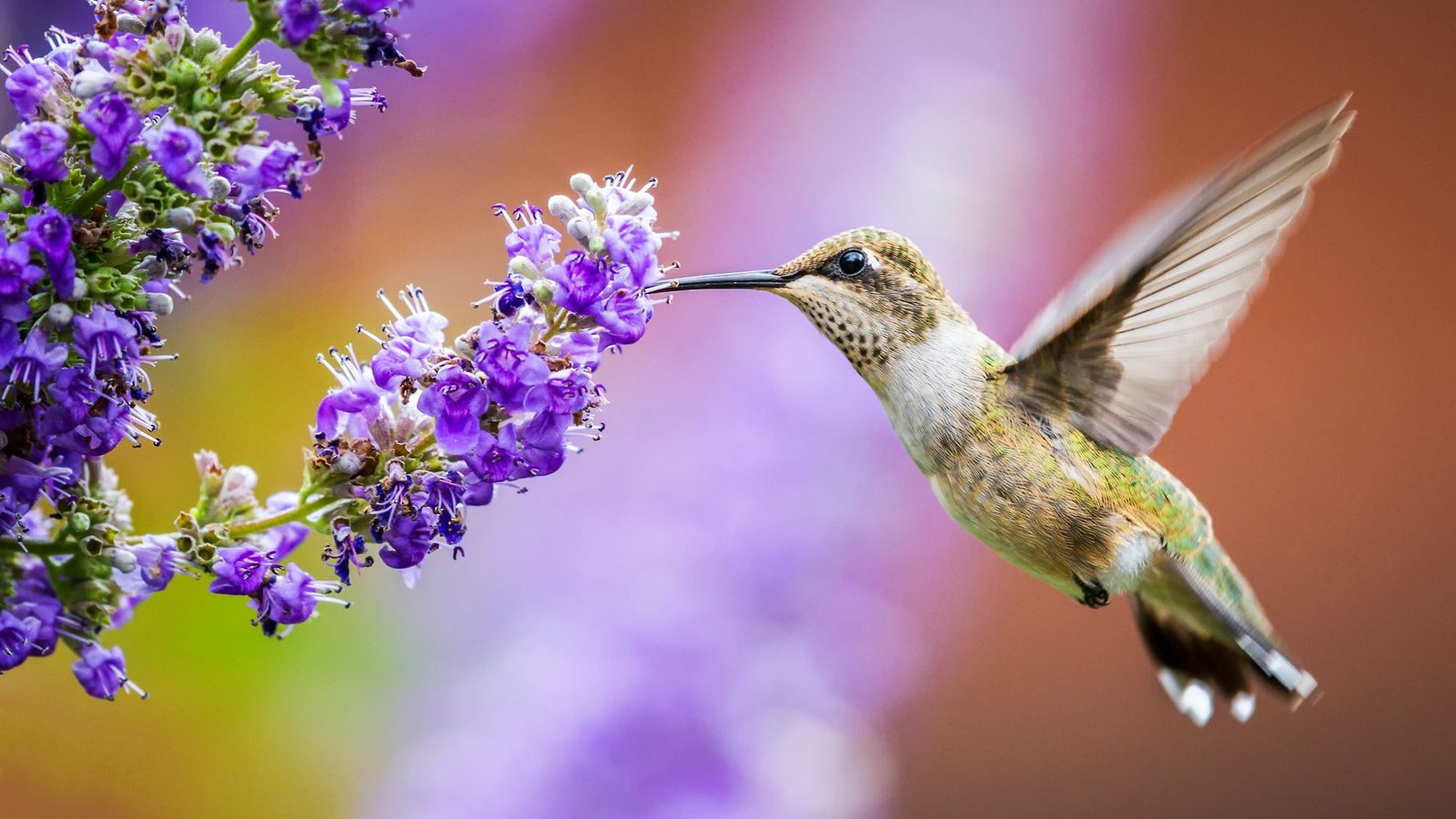

Hummingbirds are a joy to watch as they dart and run around the garden. To attract hummingbirds to your yard, consider planting a garden specifically to support these beautiful pollinators.
Whether you’re not sure where to start and are wondering, “How can I attract a hummingbird to my garden?” or just need some inspiration for your existing hummingbird garden, then you’ve come to the right place. I’ll walk you through the basics of attracting hummingbirds, including their favorite plants, how to help them during migration, and what you need to provide a welcoming environment for these tiny birds.
Here are the top tips from our team of gardening experts that will make birds flock to your yardespecially adorable hummingbirds. The ideas below will not only help you support these important pollinators, but help you grow a great garden as well.

How to attract hummingbirds
When attracting hummingbirds to your garden, you should keep in mind that these animals prefer to feed in shady areas. They also need lots of open spaces to fly. Adding appropriate feeders and flowers will also attract these helpful pollinators to your yard.
1. Provide feeders

(Image credit: Redtbird02 / Shutterstock)
An easy method to attract hummingbirds to the garden is to hang hummingbird feeders. Hummingbird feeders, such as this simple option from Walmartit can provide the same amount of nectar as 2,000 to 5,000 flowers.
Hang the feeders at various heights between 3 and 5 feet (1-1.5 m) off the ground and fill them with homemade nectar recipe made from 4 cups water and 1 cup sugar. Bring the mixture to a boil, stirring occasionally. Change the mixture in the feeders every three days and clean your bird feeders weekly with warm, soapy water.
2. Plant flowers Hummingbirds love

(Image: Kwan Tse/Shutterstock)
Some of the best plants to attract hummingbirds in the garden include those that are orange or red in color and have tubular flowers. It is also good to choose native plants that hummingbirds can’t resist. Here are some of the best plants create a hummingbird nest in your yard:
- Bee balm Also known as Monardathis stunning perennial herb is characterized by clusters of vibrant tubular flowers that bloom in shades of red, pink, purple or white.
- Columbine Famous for its characteristic, bell-shaped flowers, the columbine (Aquilegia spp.) blooms in a range of colors, including shades of blue, purple, pink, yellow and white. These delicate flowers often have opposite spurs that give them a unique and elegant look. Columbine foliage is typically fern-like, with a light and airy texture.
- Cardinal Flower Lobelia cardinalisalso known as the cardinal flower, it is known for its vibrant red tubular flowers that stand on tall, erect stems and bloom in dense spikes, creating a stunning display of color in late summer and early fall.
- Jewelweed A wild flower in impatient family, this plant tolerates growing conditions that few others will, including deep shade and wet soil. The flowers, which bloom in mid- to late summer, are trumpet-shaped and hang from slender stems, usually shades of orange or yellow, with reddish-brown spots or streaks.

(Image: Melissa Burovac/Shutterstock)
Hummingbirds also visit many other flowers in the garden, including various species lilies. Many non-native annuals and perennials, trees, bushesand flowering vines they are also good at attracting hummingbirds. Some of the best plants to try are:
You can shop a wide variety of high quality hummingbird attracting plants online from Wayside Gardens.
3. Create a welcoming habitat

(Image: Eivor Kuchta/Shutterstock)
The best way to attract hummingbirds is to create a welcoming environment for them to live, eat and nest. Follow these tips to create a low-maintenance hummingbird sanctuary in your backyard.
- Provide trees and shrubs near the feeding area to give hummingbirds a place to rest and shelter from predators and the weather.
- Ripe fruit left near the feeding area makes the area more attractive to hummingbirds and attracts midges – an important source of protein for hummingbirds.
- Hummingbirds also need water. A bird bath no more than 1.5 inches (4 cm) deep, eg this beautiful handmade hummingbird bath from Amazonprovides plenty of water for pollinators. If the bath is too deep, fill the bottom with coarse gravel.
- Nectar provides only part of a hummingbird’s nutritional needs. Many species also eat large amounts of small bugs for the protein they provide. You can attract bugs to your garden with a small patch or wildflowers. Be sure never to use insecticides in gardens where hummingbirds feed.
- The best flowers for attracting hummingbirds are those with long necks that hang in clusters beyond the foliage. Flowers that are too close to foliage cause a hummingbird to beat its wings against the leaves as it feeds. Plants should also have several open flowers at once. There are many wonderful ones hummingbird plants for sun and for shadowdepending on your landscape.
- Another great way to encourage more hummingbirds to visit your yard and stay is to provide them with plenty of nesting materials. Hummingbirds need fluffy, natural fibers to make nests. You can source them with wool, coir or even pet fur from your most recent grooming session.
Hummingbird Garden Essentials

Feed Garden Glass Hummingbird Feeder
This gorgeous glass hummingbird feeder will have these beautiful pollinators flocking to your yard.

Kaytee Hummingbird Electronectar
Make feeding hummingbirds a breeze with this pre-made nectar.

Burpee Hummingbird & Butterfly Mix Wildflowers
Grow hummingbirds’ favorite flowers with this pollinator-friendly wildflower seed mix from Burpee.



