
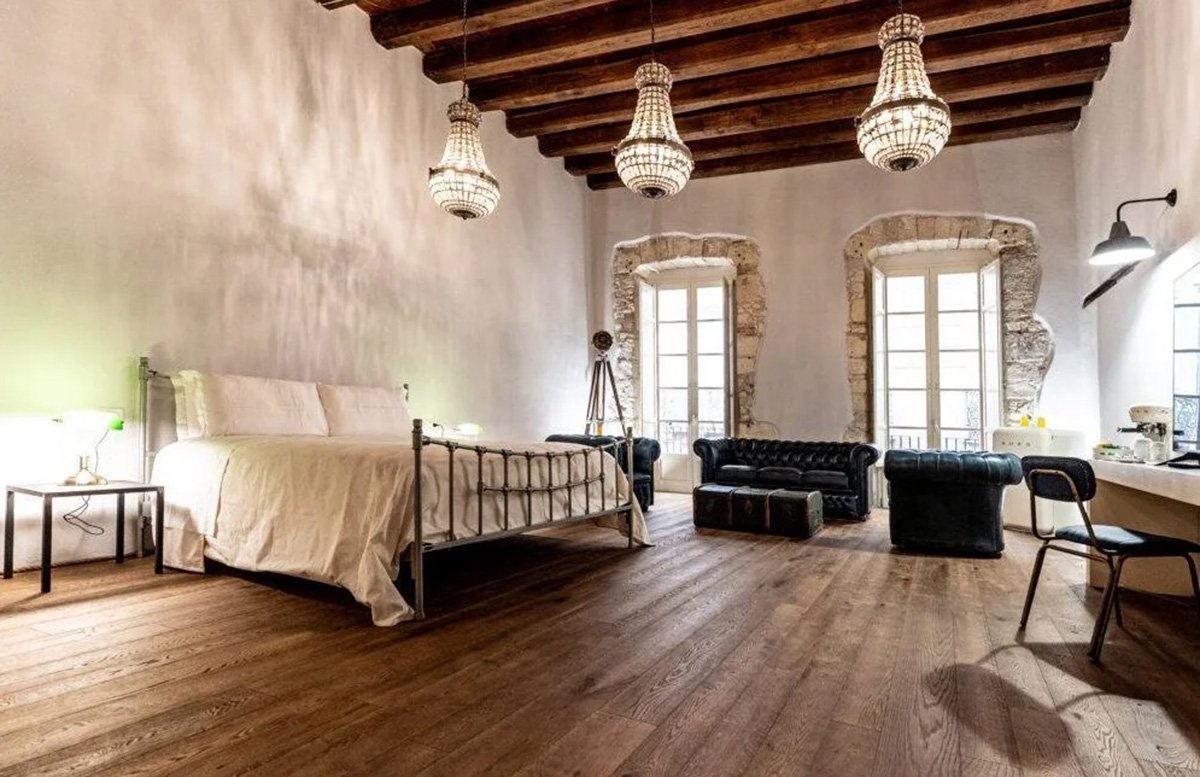

DH Lawrence Hotel in Sardinia: an interior design project between architectural memory and handcrafted metal beds
Sardinia represents one of the most authentic landscapes of the Mediterranean, where historical stratification and nature coexist with a deep sense of hospitality. Hotel DH Lawrence, located in Cagliari, fits into this context, a boutique hotel that interprets the dialogue between tradition and modernity through a careful, measured and coherent interior design scheme.
It is an intervention that does not seek to impose itself through excessive solutions or dominant decorative elements, but that builds its own identity through balance. Each design option appears calibrated, designed to respect the context and enhance the building’s original features.
In projects of this type, the choice of furnishing elements also plays a fundamental role. It’s not just about completing a space, but about actively contributing to its definition. Like reality Volcano Handmade Iron Bedrooms — a historic European company operating since 1976 and specializing in the design and production of handcrafted metal beds — is a benchmark for those looking for a balance between aesthetics, structure and durability.
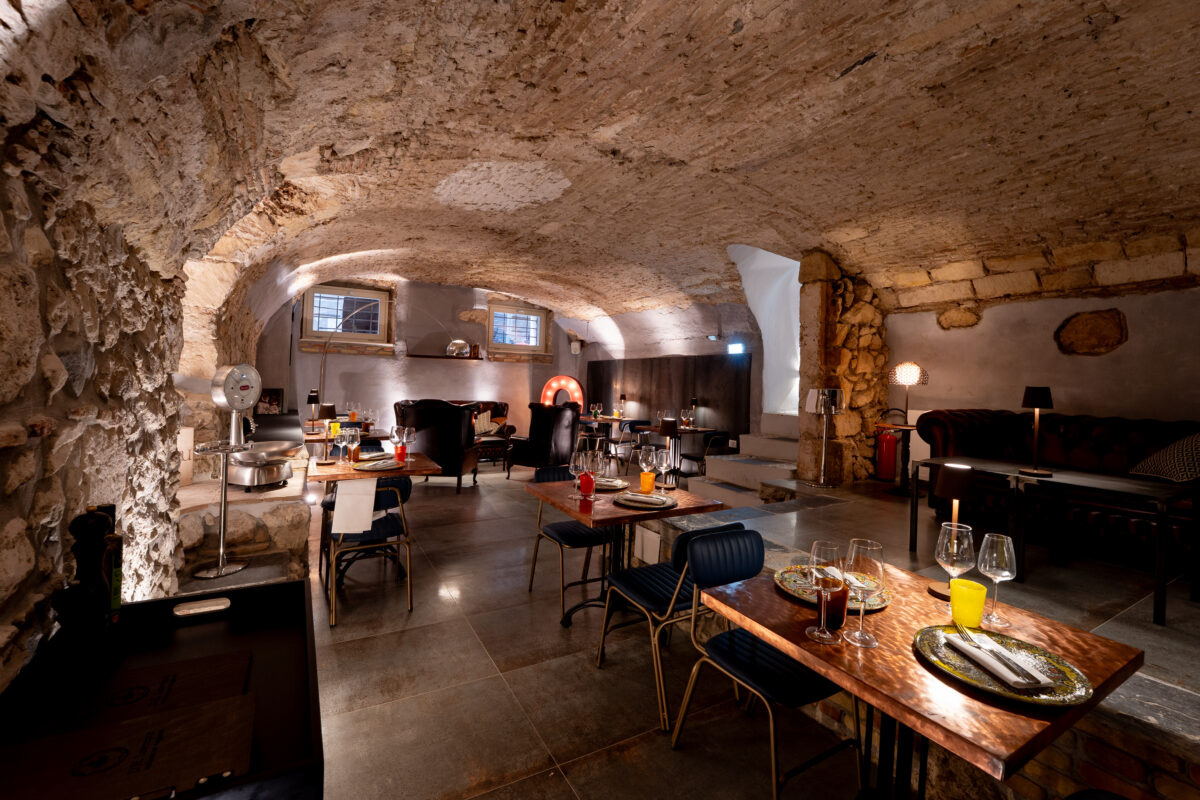
Architectural recovery and place identity
The building, recovered with design sensibility, was renovated by NewFari Srl, a company specialized in the exploitation of historical heritage. The intervention did not aim to radically transform the space, but rather to reveal its identity, maintaining a constant dialogue with its history.
This approach reflects an increasingly prevalent vision in the world of contemporary architecture: insertion without erasure, enhancement without replacement. The original surfaces, materials and proportions are respected and reinterpreted, creating continuity between past and present.
Rooms thus become narrative environments, in which each element contributes to the balance between memory and function. Nothing is left to chance, but at the same time nothing seems forced.
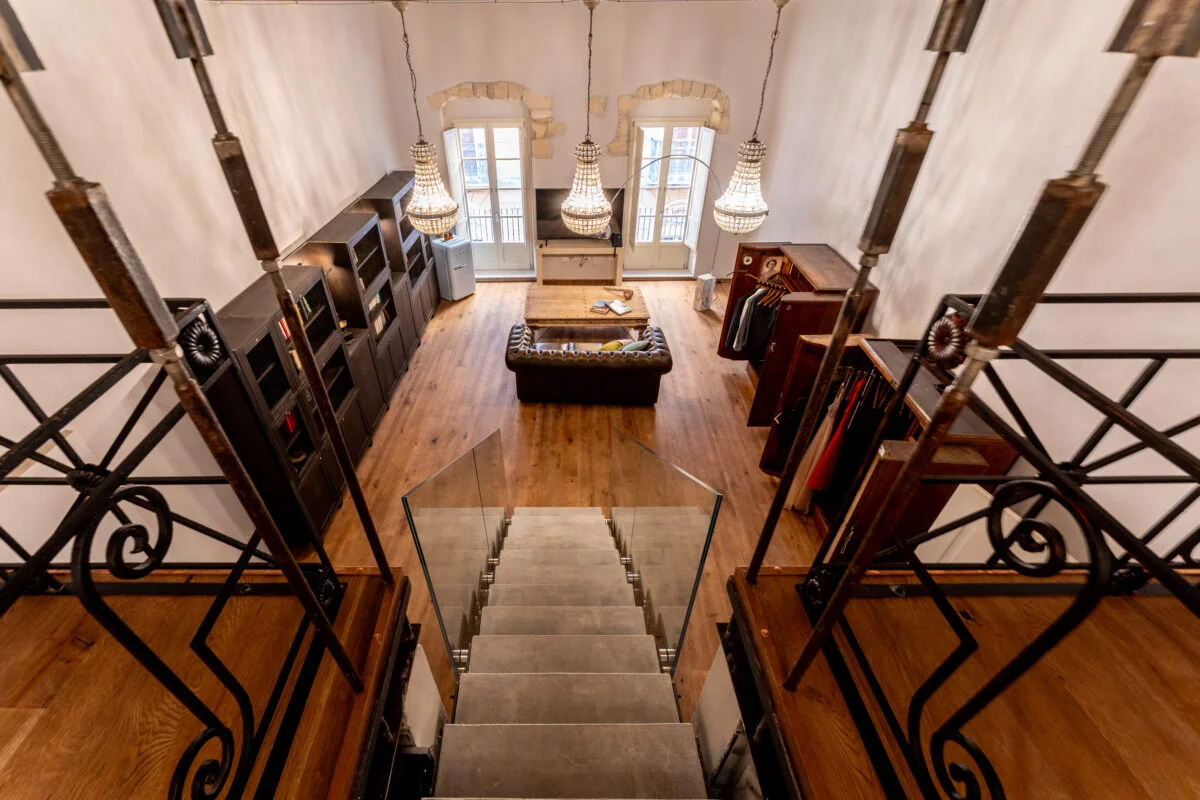
Places that accompany the experience
The rooms are conceived as spaces that do not impose, but accompany. This guiding principle is reflected in every detail: from the selected shades, to the finishes, to the management of light.
Warm hues help create an immediate sense of welcome, while material surfaces add depth and character. The light, controlled and never invasive, defines the volumes and contributes to the creation of a relaxing atmosphere.
In this context, comfort is not just a functional issue, but also becomes insightful. The experience of the space is built through a combination of elements that work together harmoniously.
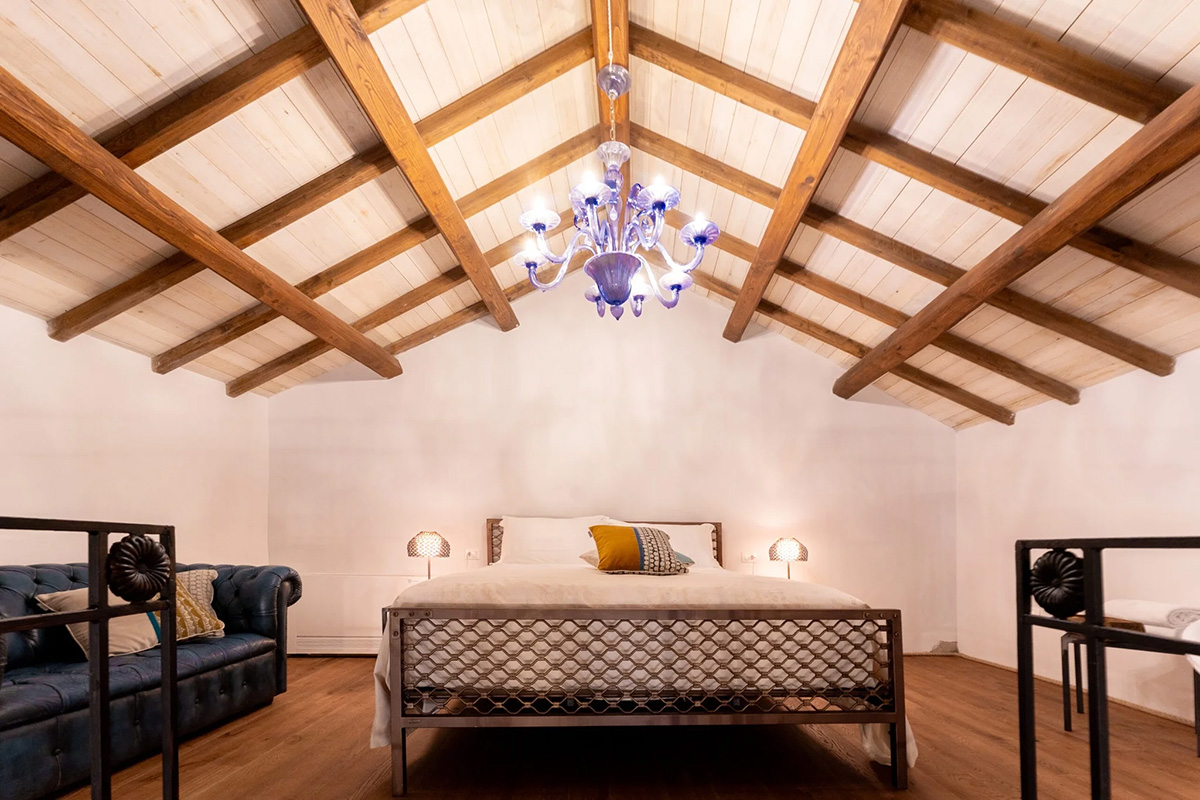
The central role of the bed in the space
Within this design balance, the bed takes on a central role. It is not an isolated object, but a structure that organizes space and defines its perception.
The selected structures stand out for an essential and rigorous language, able to communicate with the historical architecture without weighing it down. Their character is reminiscent of industrial-style beds, but reinterpreted in a lighter and more modern key.
The visual presence is clear, but never intrusive. This allows the bed to become a reference point within the room, without breaking the overall balance.
In this context, solutions such as i metal beds for hotels they fit the project naturally, helping to define a balanced relationship between structural solidity, proportion and visual quality.
The choice of metal between aesthetics and functionality
The choice of metal corresponds to a precise logic, which goes beyond simple aesthetics. In high-use environments such as hotels, durability and stability become fundamental.
Metal offers superior durability compared to other materials, maintaining its characteristics over time without compromise. This makes it particularly suitable for environments where use is continuous and where reliability is required.
At the same time, metal has a visual quality capable of adapting to different design languages. It can be subtle or more subtle, depending on the official choices, without losing coherence with the environment.
The value of craftsmanship
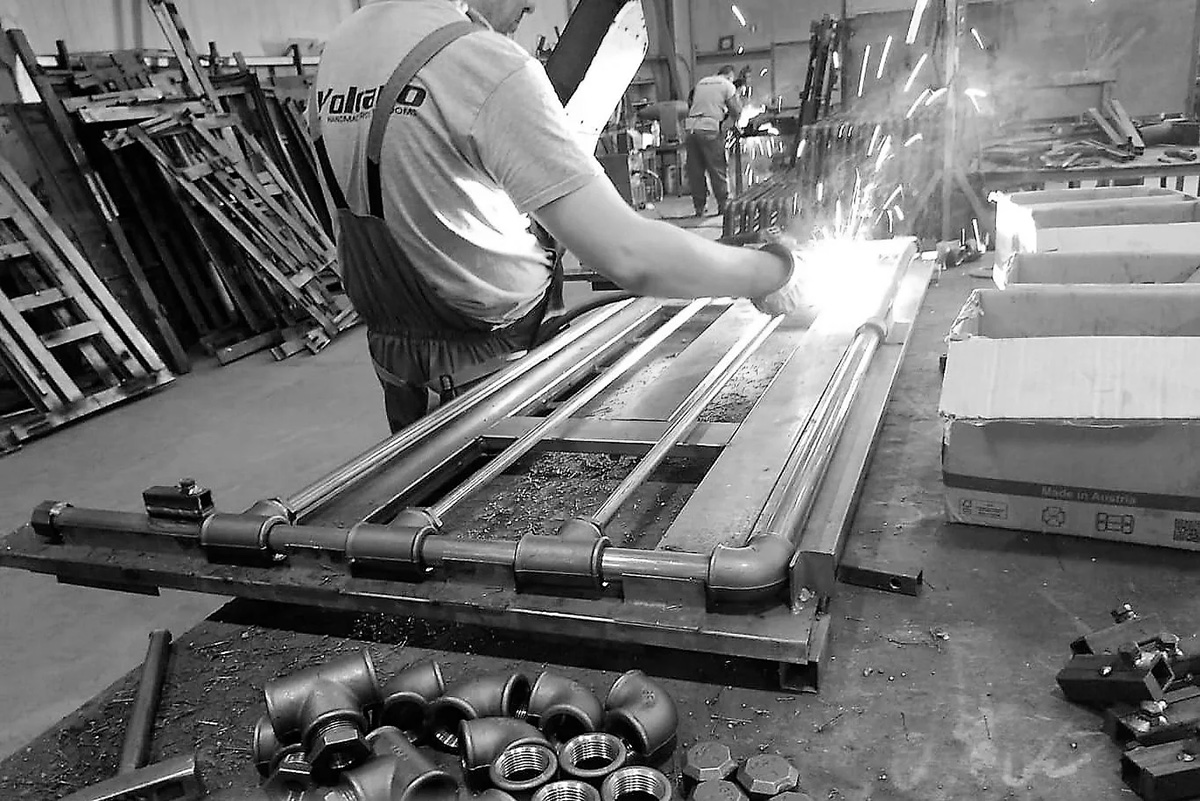
Another characteristic element represents craftsmanship. Unlike standard products, handmade constructions introduce a dimension of uniqueness.
Each element is created with attention to detail, allowing for greater integration with the architectural context. This type of approach allows us to obtain solutions that never seem foreign to the space, but are an integral part of it.
Craftsmanship is not only an aesthetic issue, but also a quality issue. It guarantees greater control of the final product and durability that represents a certain value, especially in the field of hospitality.
Balance between matter, light and space
The overall result is a space that is not visually imposing, but allows itself to be lived in. The dialogue between iron, light and natural materials creates a balanced environment, in which each element finds its role without overpowering the others.
This harmony is the result of careful planning, in which every choice aims to build a cohesive and authentic experience.
The bed, in this scenario, doesn’t just occupy the space: it defines it. It becomes the point around which the entire environment is organized, helping to create a clear and orderly perception of space.
Continuity between past and contemporary design
The DH Lawrence Hotel project shows how contemporary interior design can converse with the memory of spaces without conflicting with it.
The incorporation of handcrafted metalwork represents a conscious design choice, able to combine aesthetics, durability and identity. It’s not just a functional solution, but an element that helps build an authentic hosting experience.
In a context in which many spaces tend to become uniform, projects like this show how it is still possible to create distinctive environments, in which every detail has meaning and every element participates in the construction of a coherent language.



