


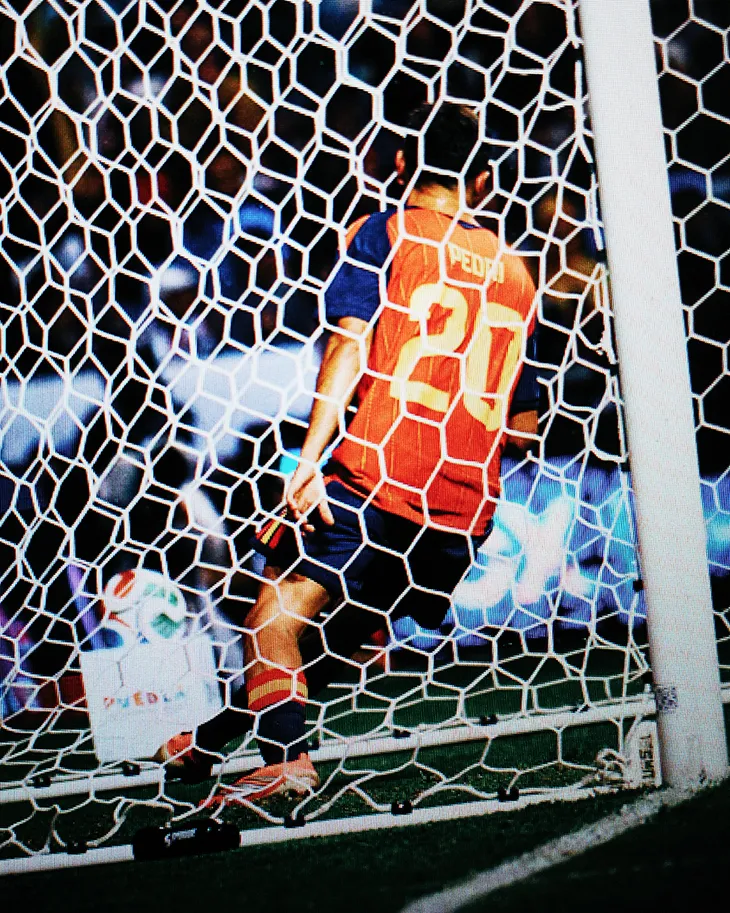
Luxury home LOEWE congratulations Spain men’s national football team after the players secured the 2026 championship and won the country’s second title. The achievement followed an excellent tournament run and marked another important result for Spanish football.
The house accompanied the team throughout the competition with a complete travel wardrobe of creative directors Jack McCollough and Lazaro Hernandez. Their selection included tailoring, casual wear, footwear and leather goods, giving players a complete wardrobe for traveling during the tournament.
The wardrobe ushered in a four-year partnership between LOEWE and the Spanish men’s and women’s national football teams. The deal brings Madrid home to Spanish sport during its 180th anniversary. The 2026 FIFA World Cup tournament provided the first chapter of the partnership and linked the project to the team’s successful campaign.
Spain’s win gave the deal a direct link to the country’s second league title. LOEWE accompanied the players during the match and noted the result with a congratulatory message. The house credits the team’s talent, joint effort and unity throughout the tournament.
The partnership also connects two Spanish institutions through fashion and football. Spain’s national teams represent the country through sport, while LOEWE continues to examine Spanish identity through material, expression and cultural change.
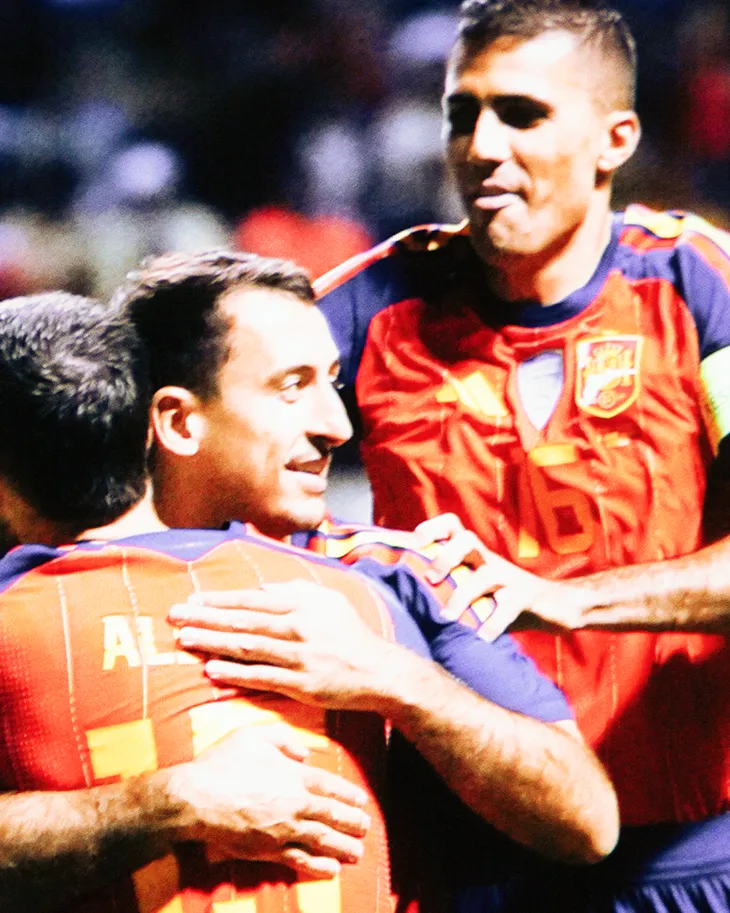
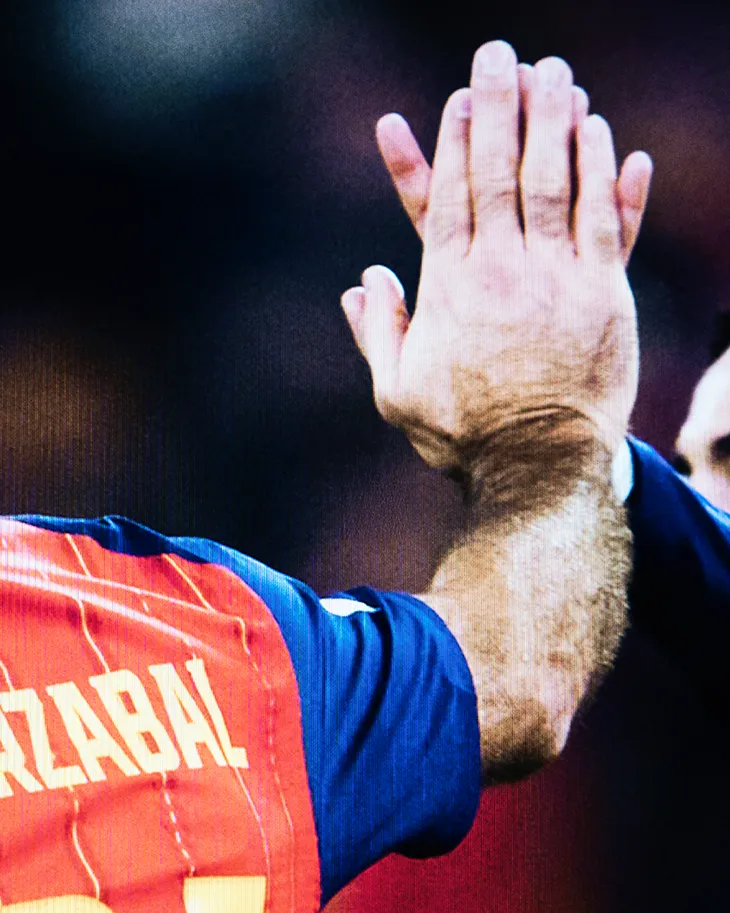
LOEWE also commissioned an artist Hannah Cohen to document the team’s path to the final. Her work chronicles a tournament that ended with Spain defeating Argentina and lifting the trophy for the second time.
The victory also created a first in football history. Spain now holds both FIFA titles, after the women’s team won in 2023 and the men claimed the trophy in 2026. No other country has held both titles at the same time.
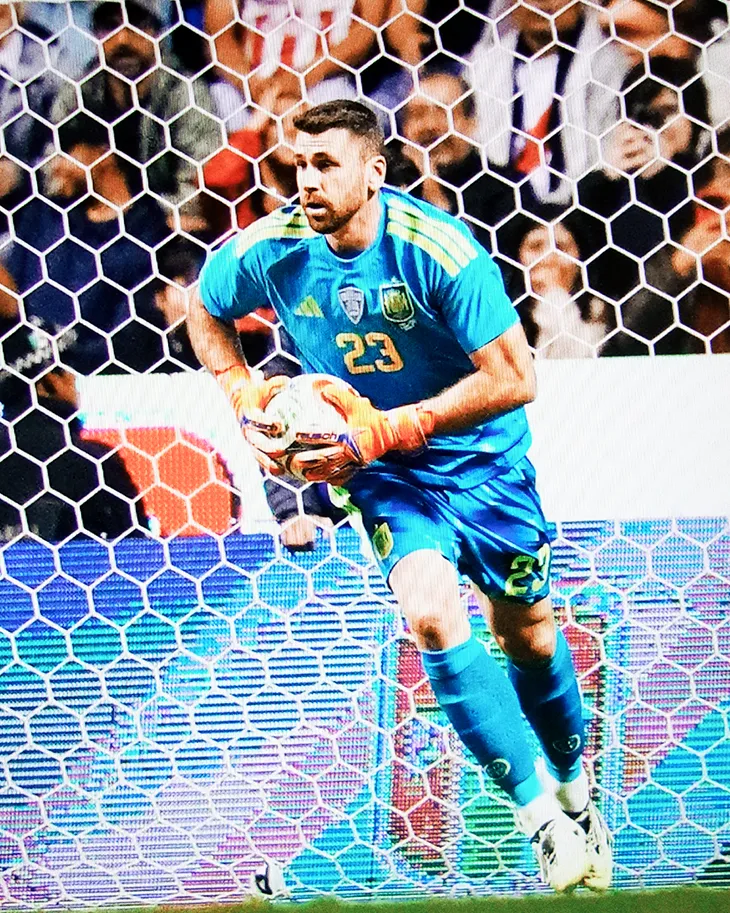
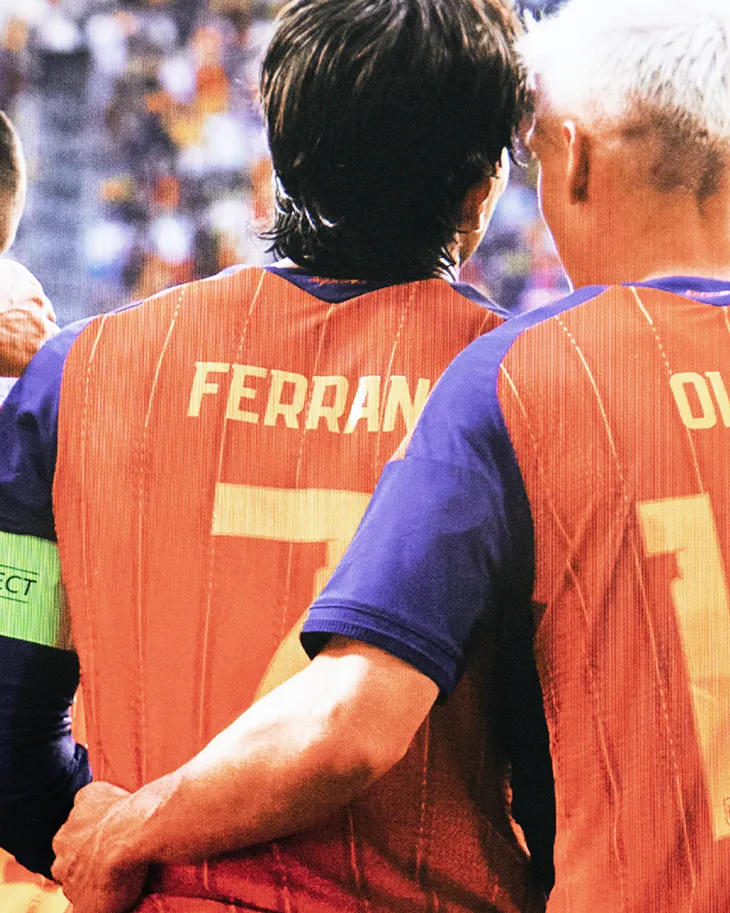
Spain’s road to the 2026 title
Spain opened their campaign with a result that immediately raised doubts. Tournament debutants Cabo Verde held Luis de la Fuente’s side to a 0-0 draw despite the difference in experience and expectations surrounding the two sides. Spain left their first game goalless, while Cabo Verde earned one of the biggest results in their football history. The draw put early pressure on a team that went into the match with ambitions of lifting the trophy.
Six days later, Spain gave its first convincing response. Lamin Yamal scored after ten minutes against Saudi Arabia and Mikel Oyarzabal added two goals in three minutes. An own goal completed the 4-0 victory and replaced the uncertainty of the opening match with renewed conviction. Spain then defeated Uruguay 1–0 with a first-half goal from Álex Baena, finishing first in Group H with seven points.
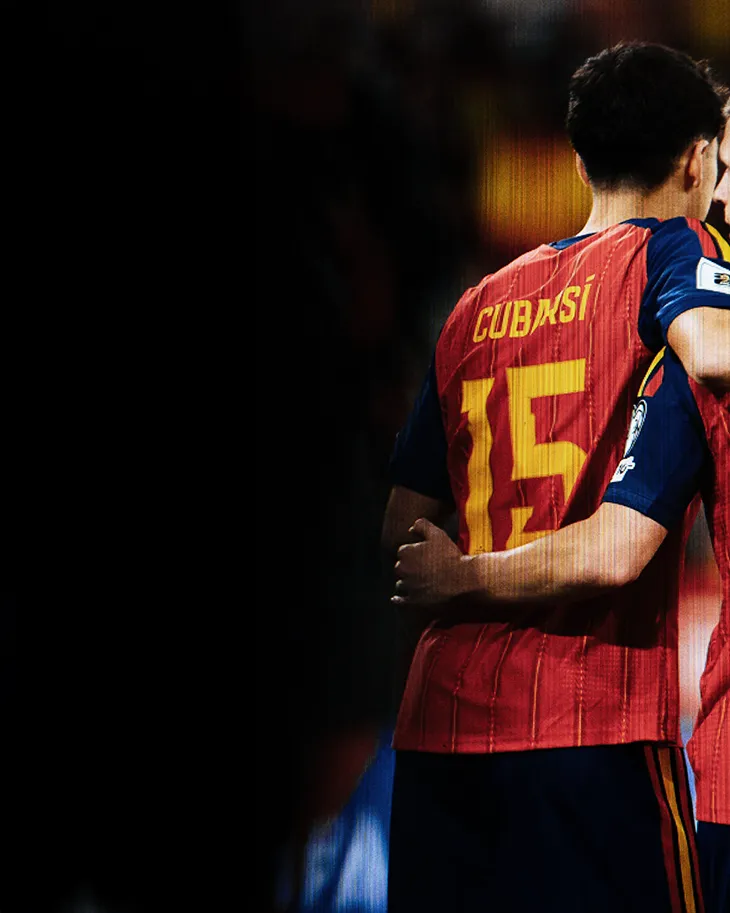
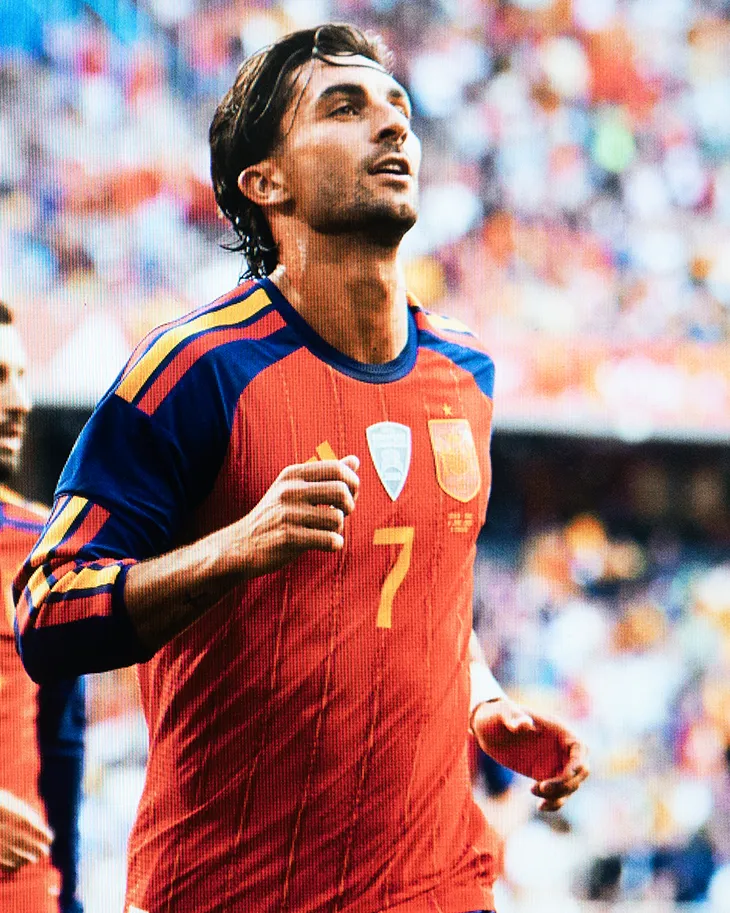
The knockout stage brought a new level of pressure. Spain defeated Austria 3-0 in the Round of 32, with Oyarzabal scoring twice and Pedro Porro adding his first international goal. Portugal then forced Spain into a much tougher match. The match remained scoreless until Mikel Merino found the decisive goal late in added time, sending Spain into the quarter-finals.
Belgium gave Spain their toughest test before the final. Fabián Ruiz opened the scoring but Charles De Ketelaere equalized to become the first player to score against Spain during the tournament. With extra time looming, Merino struck in the 88th minute to secure a 2-1 win.
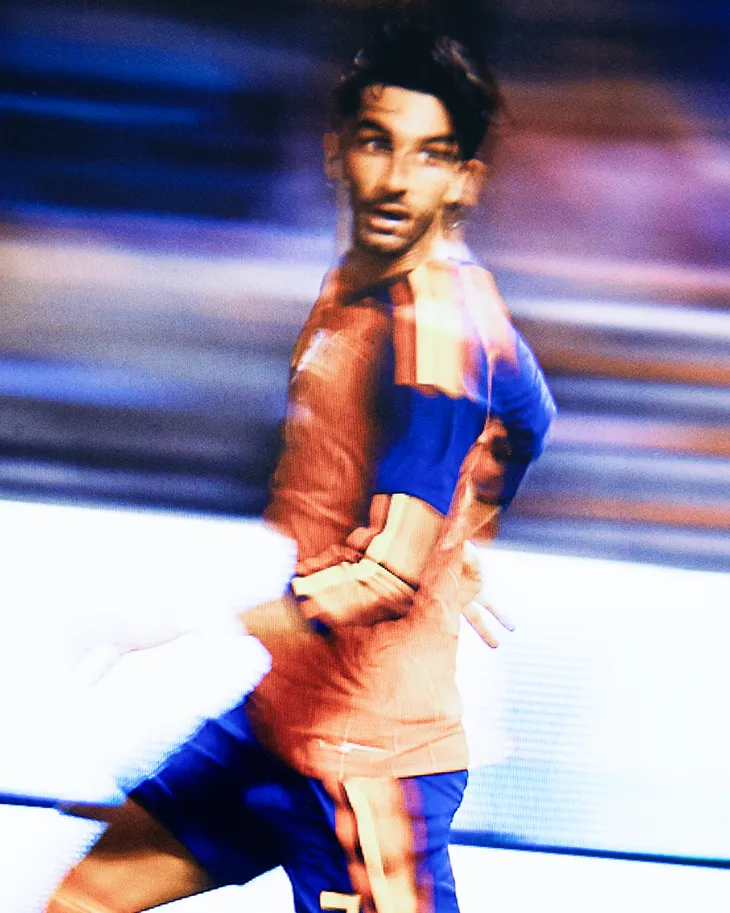
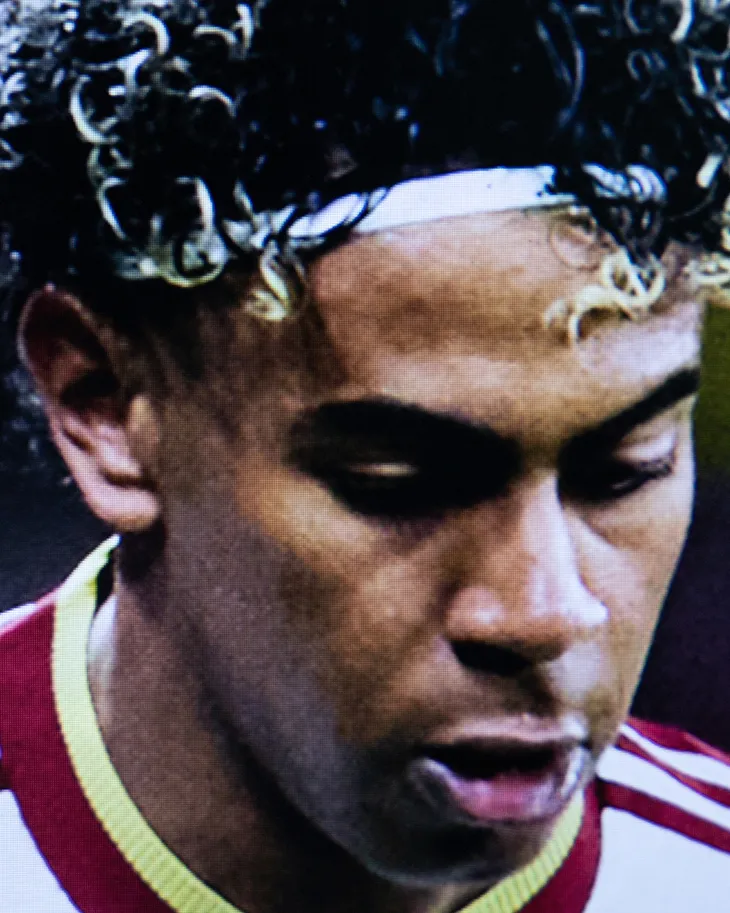
Spain then faced France in the semi-final and produced one of their strongest performances. Oyarzabal and Porro scored in a 2-0 win that sent the national team to their first final since their 2010 triumph in South Africa.
Argentina presented the final hurdle. Ninety minutes passed without a goal, forcing the match into overtime. Substitute Ferran Torres scored in the 106th minute to give Spain a 1-0 win and their second FIFA title. Spain finished the tournament with seven clean sheets and conceded one goal, the lowest total ever recorded by a champion in a single competition. The campaign began with questions after a draw against Cabo Verde and ended with Spain lifting the trophy in New York New Jersey.



