
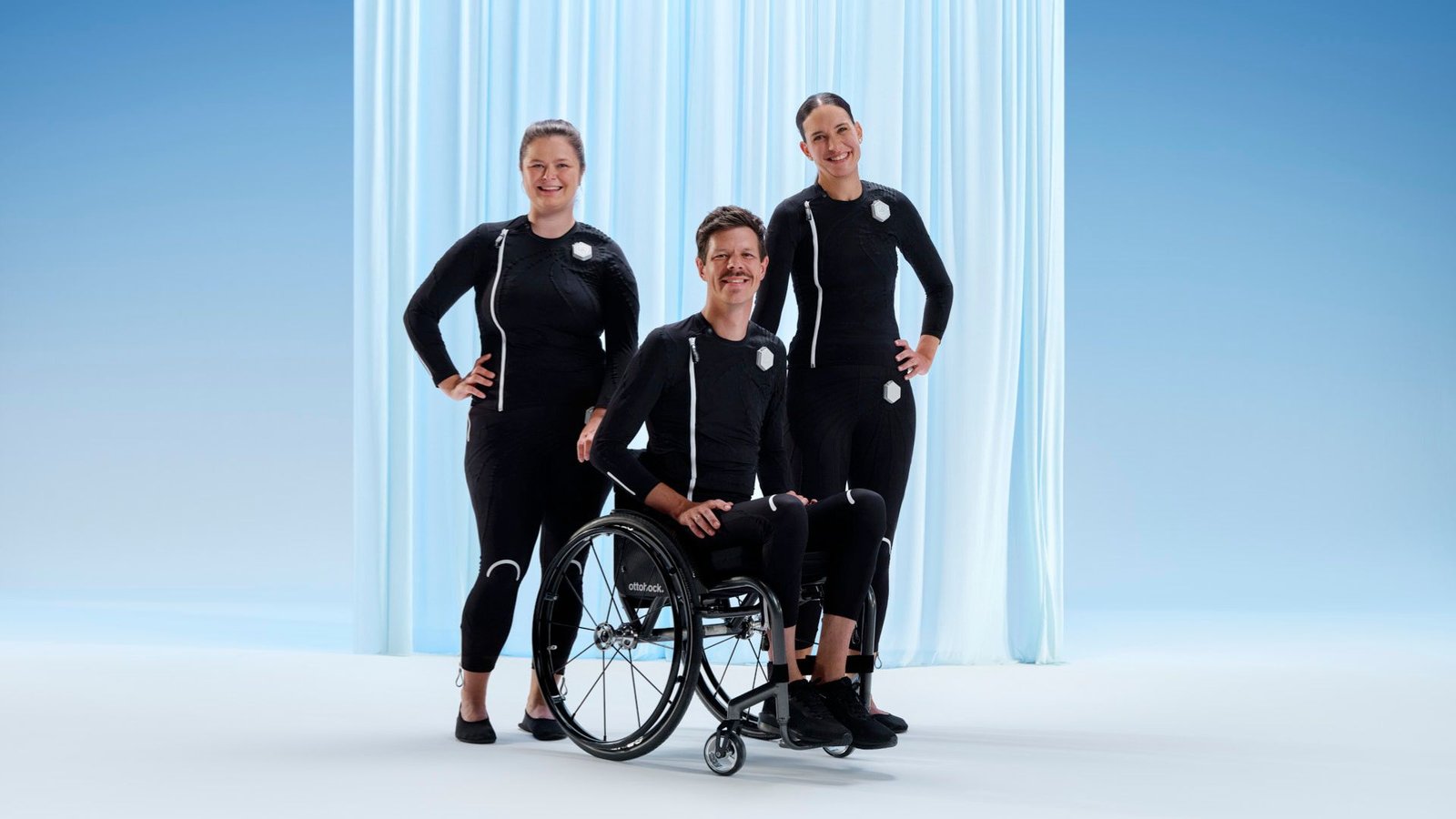

In 2009, in Stockholm, a Swedish chiropractor named Frederick Lundqvist he was trying to find a way to ease the suffering of his friend Jurek, who had multiple sclerosis. During his studies, he had observed a neurological reflex called the Mariefoix reflex, which allowed some patients to bend a spastic leg with less resistance. Lundqvist wondered if he could control this reflex with an electrical impulse, creating it Exopulse soft suit.
The idea came to life together with physiotherapist Jörgen Sandell and fashion designer Andreas Halldén from H&M, a perfect match to create a wearable suit. The team drew inspiration from TENS therapy, extending its principle to the whole body. The device reached the European market as a medical device by 2012 as Exoneural Network and was acquired by Ottobock in 2021.
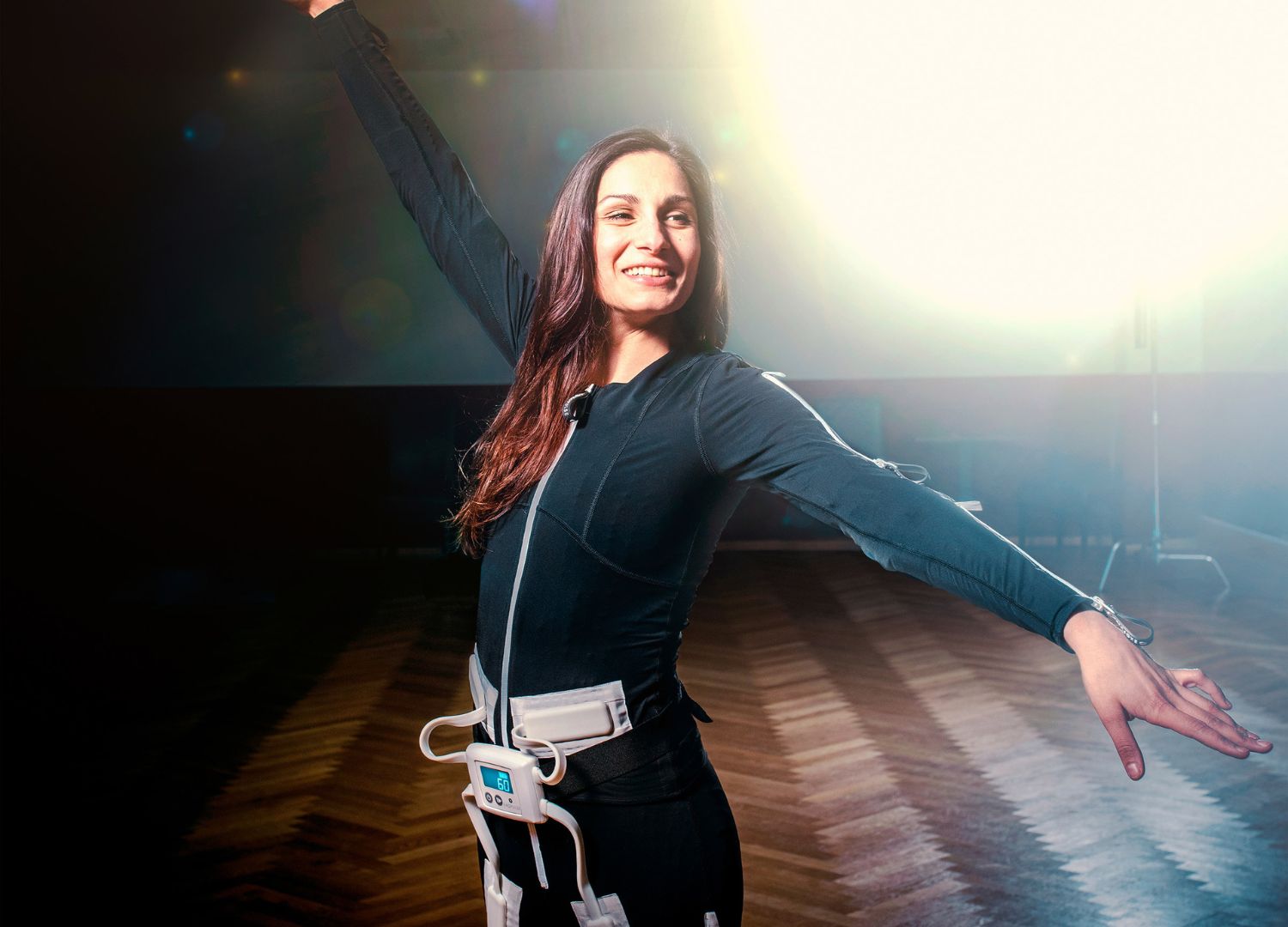
Exopulse Mollii Suit © Ottobock
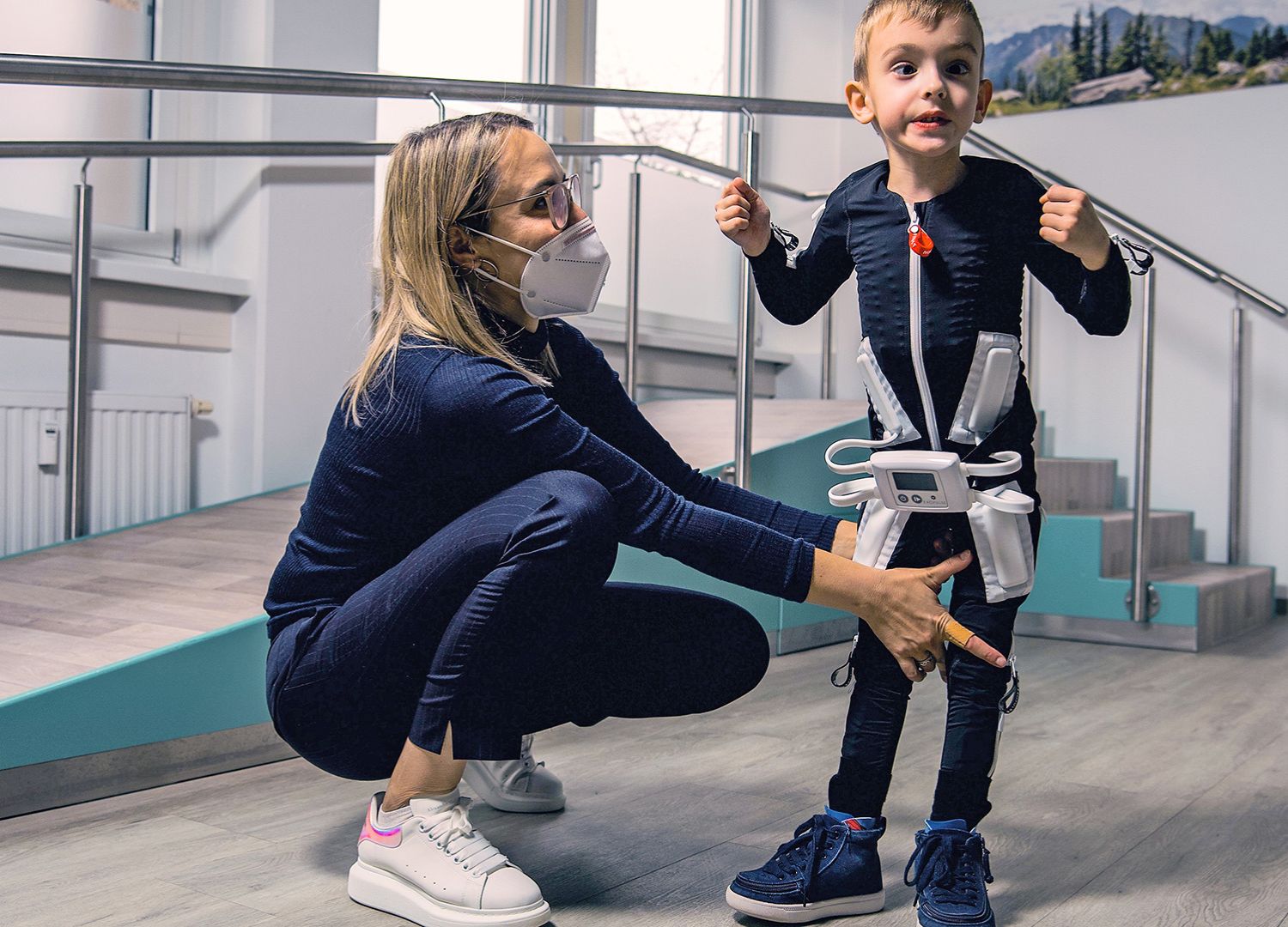
Exopulse Mollii Suit © Ottobock
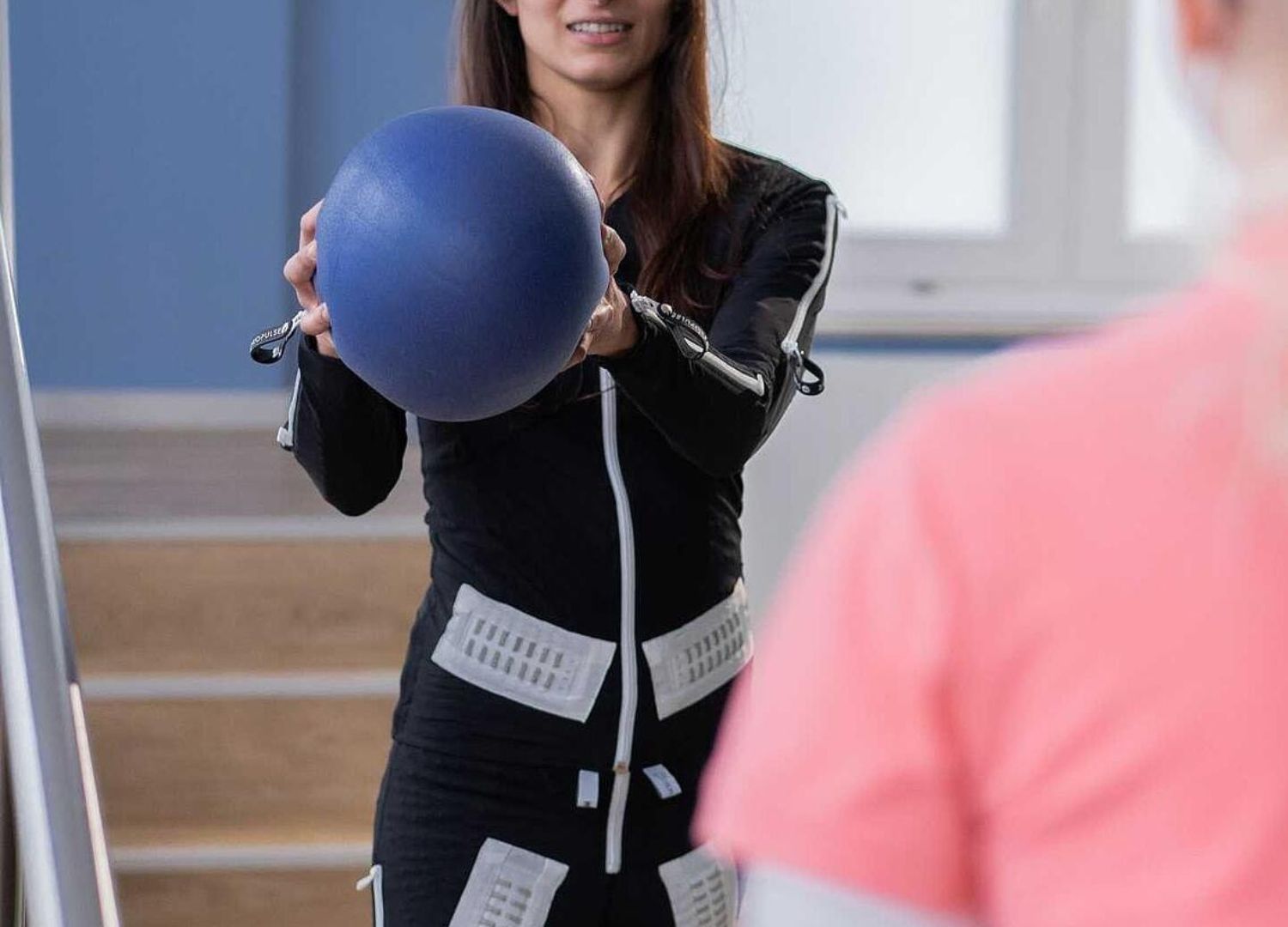
Exopulse Mollii Suit © Ottobock
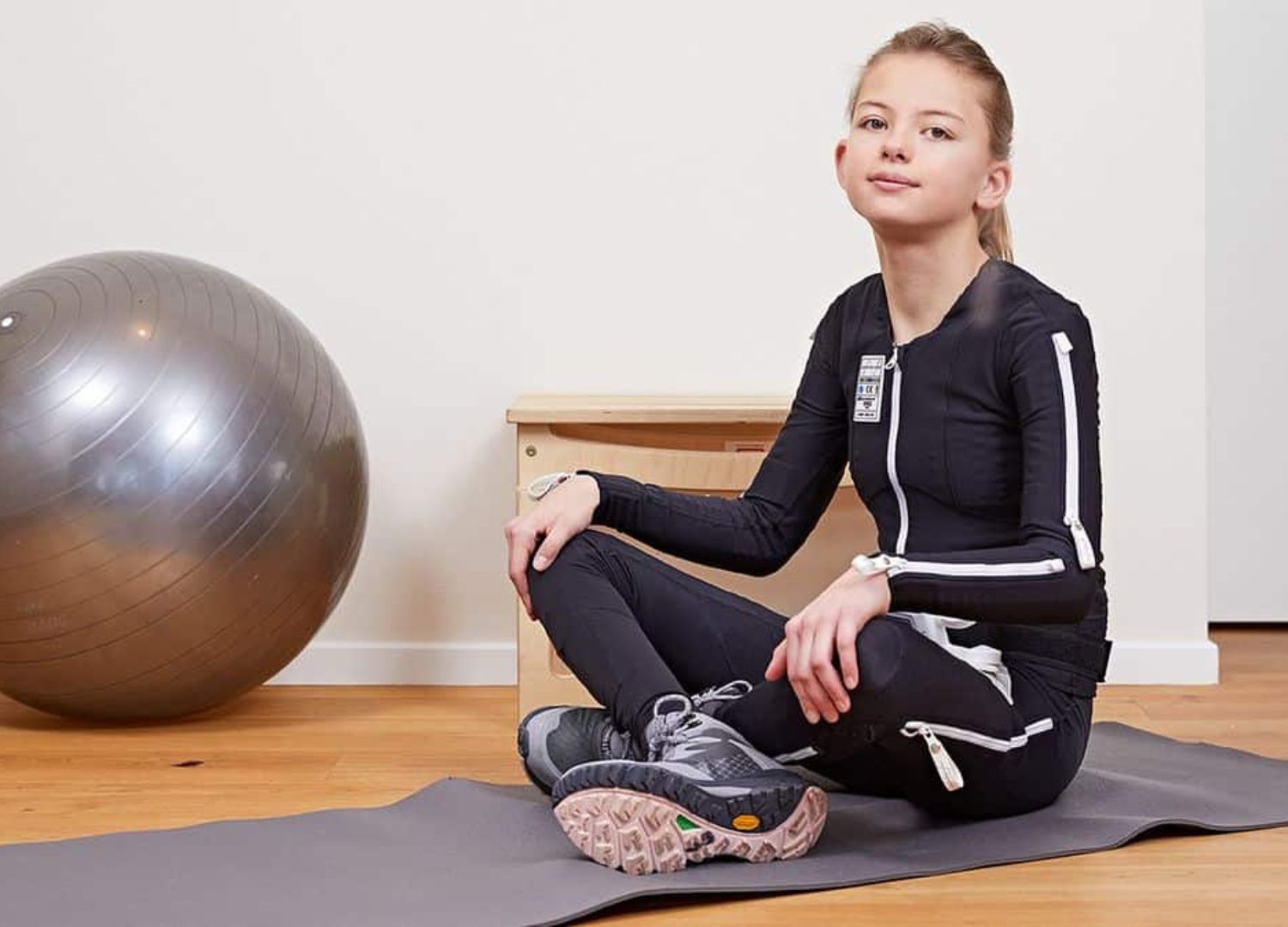
Exopulse Mollii Suit © Ottobock
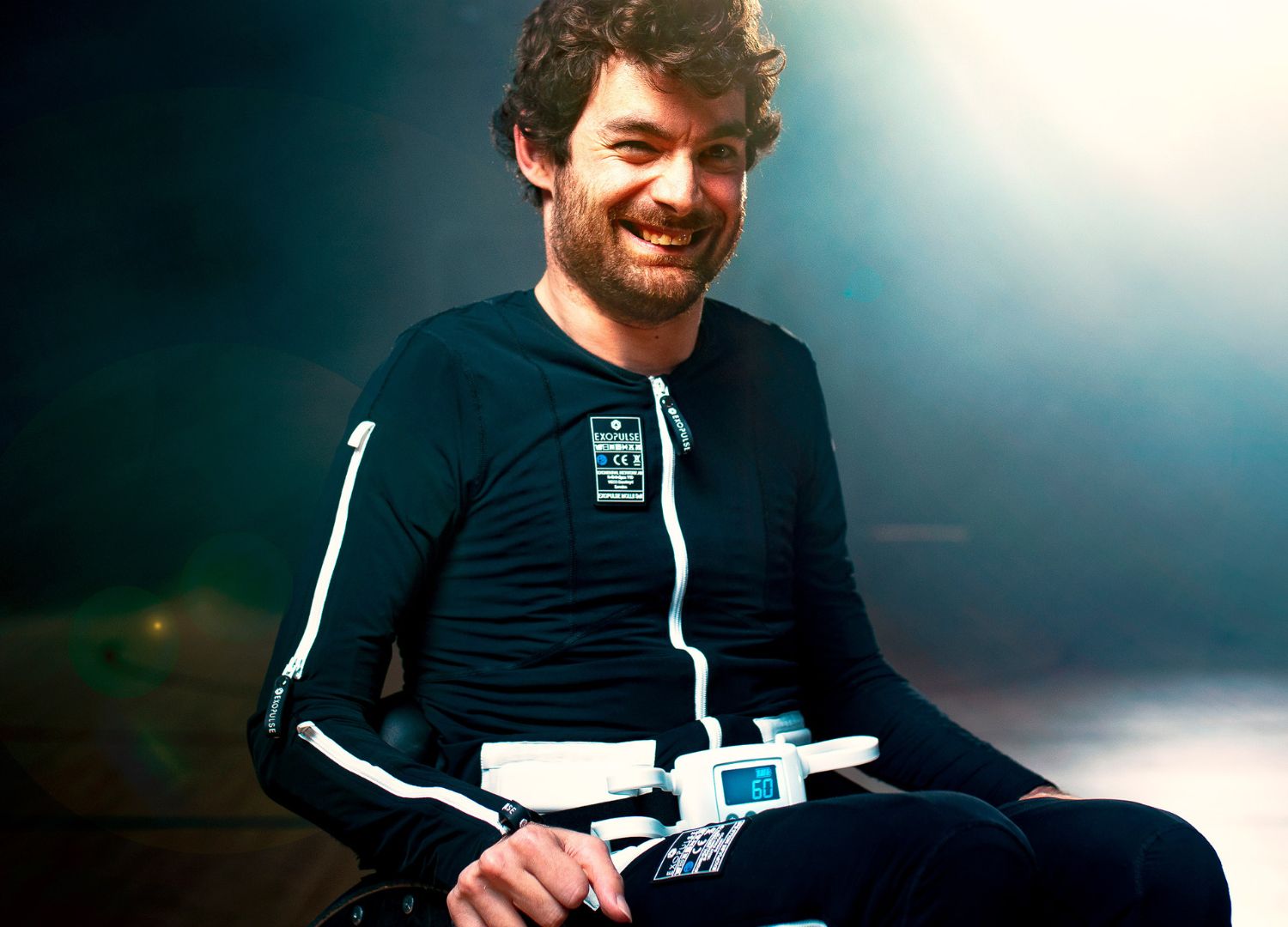
Exopulse Mollii Suit © Ottobock
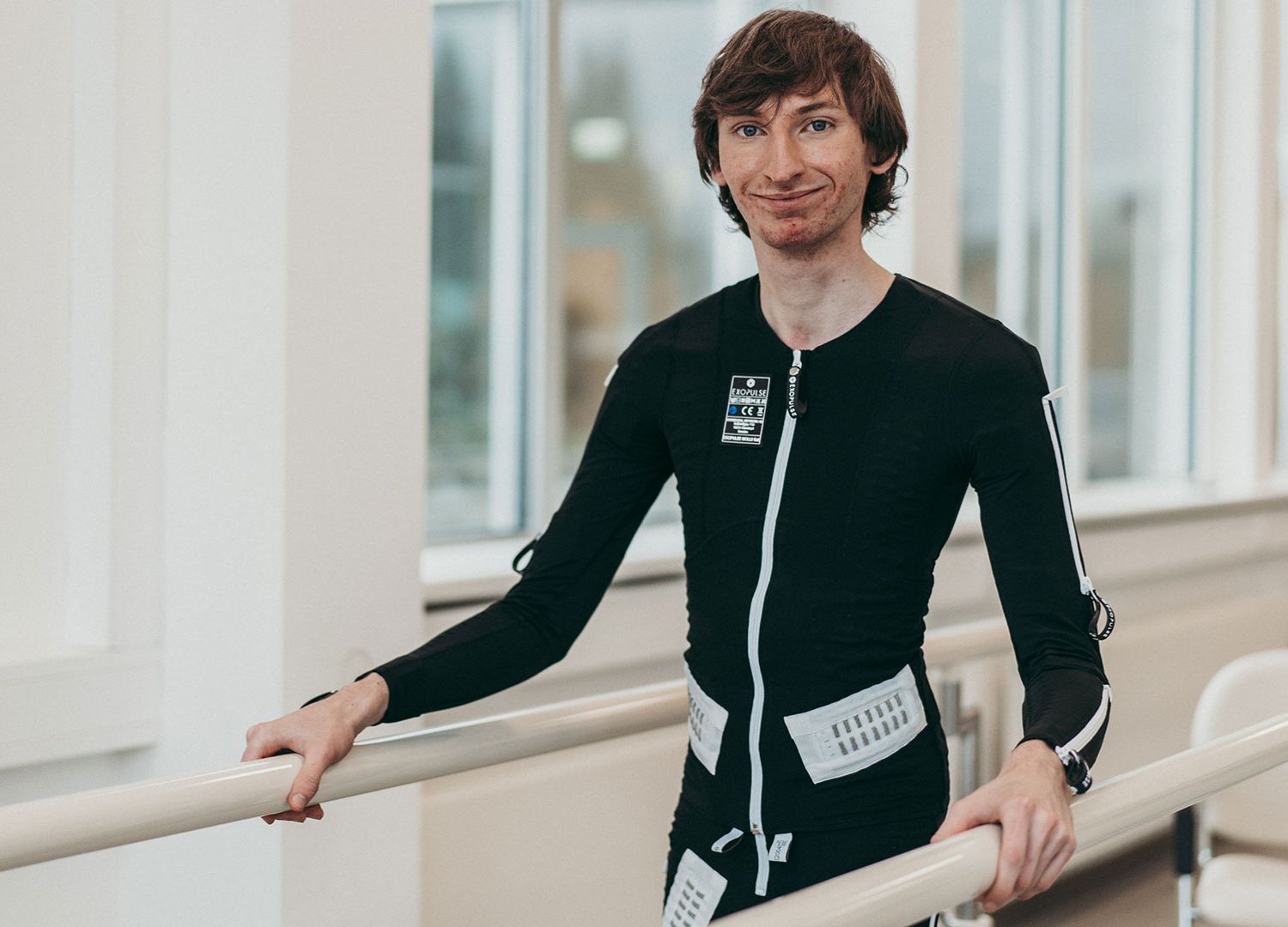
Exopulse Mollii Suit © Ottobock
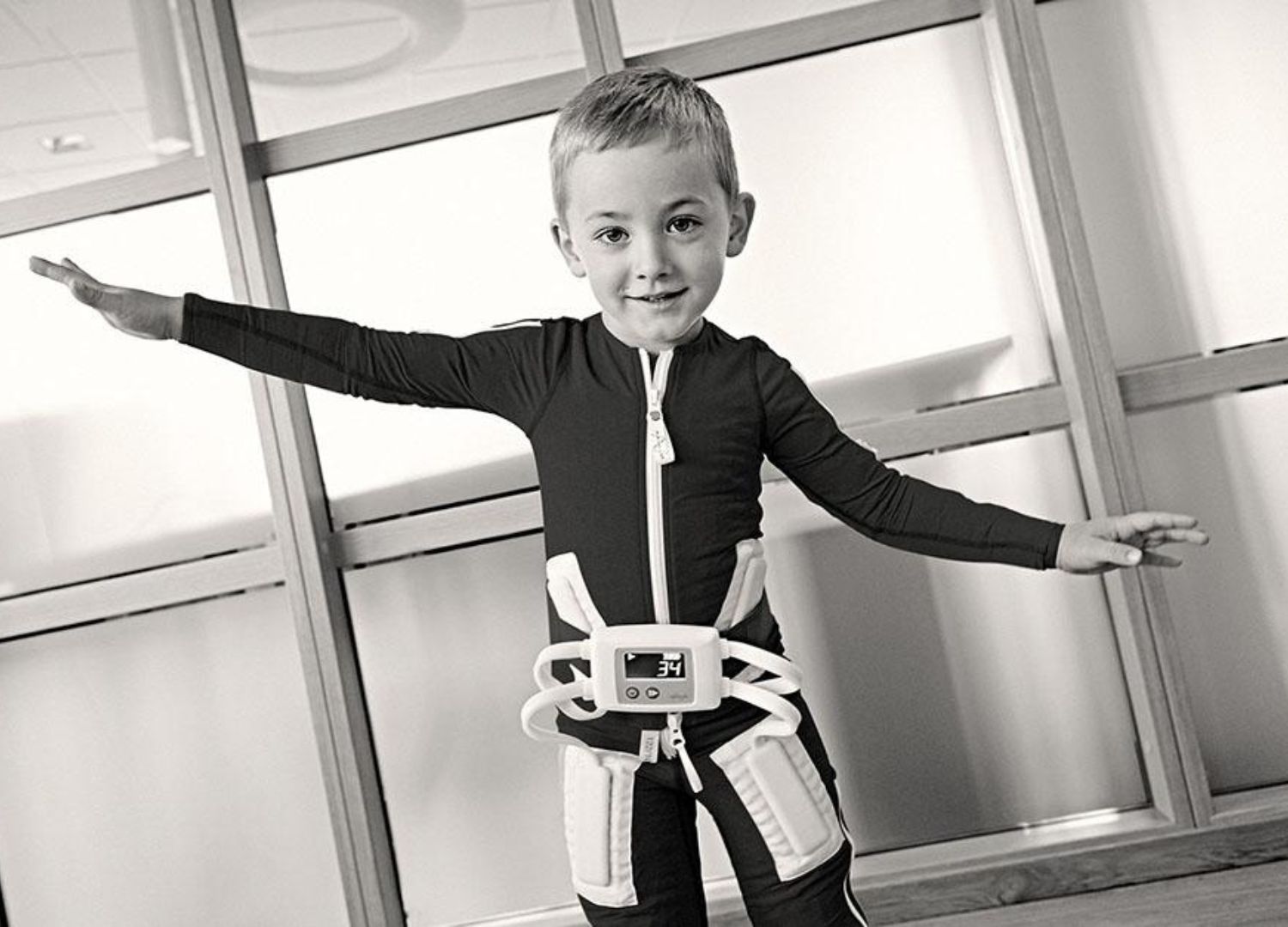
Exopulse Mollii Suit © Ottobock
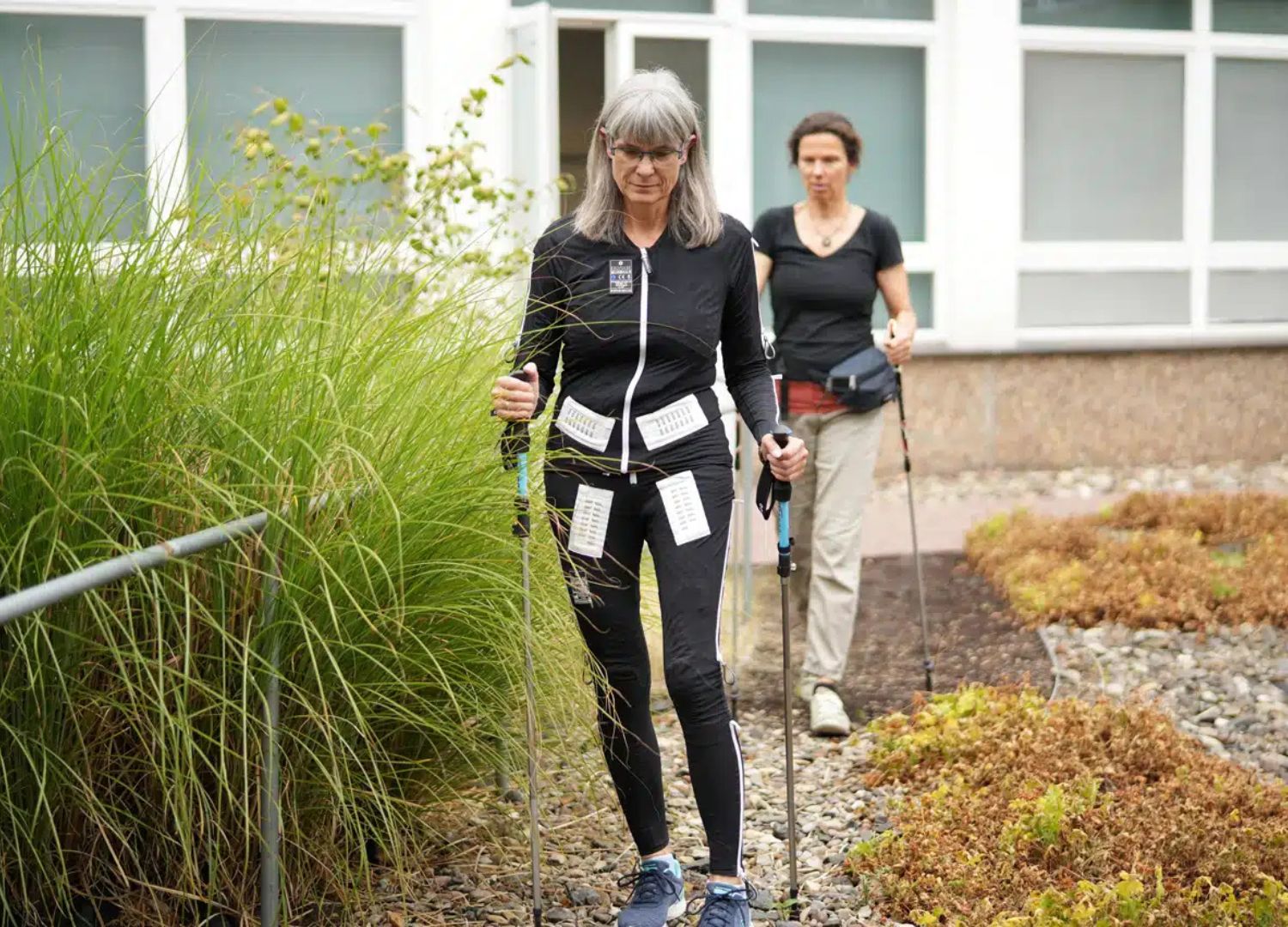
Exopulse Mollii Suit © Ottobock

Exopulse Mollii Suit © Ottobock
The problem the suit addresses is muscle spasticity, a condition in which muscles remain involuntarily contracted, causing stiffness, pain and movement difficulties. It is a symptom of many neurological conditions, including cerebral palsy, multiple sclerosis and strokes. Traditional treatments include drugs and physical therapy, with their limitations.
The Mollii Suit is an approved medical device in Europe and contains 58 built-in electrodes strategically placed to stimulate 40 key muscle groups throughout the body. The mechanism exploits mutual inhibition: when one muscle contracts, its antagonist relaxes. The suit reverses this dynamic: by stimulating the antagonist of the spasmodic muscle, it causes relaxation in the spasmodic one.
The impulses generated by the suit have an adjustable pulse, which is clinically calibrated based on the severity of spasticity, muscle size and the patient’s body composition. Not a gross stimulus, the suit is programmed by certified professionals to adapt to each wearer.
Design-wise, the item consists of a jacket and pants made of breathable synthetic fabric, with a removable control unit that magnetically attaches to the suit. Available in 37 sizes, from children to adults, in both men’s and women’s cuts. The standard protocol calls for 60-minute sessions every other day, which the user can perform independently at home after an initial clinical assessment. The results of each session can last up to 48 hours.
It is worth noting that what makes this device different is that it is not a TENS machine with a few extra electrodes. It is a system that intervenes simultaneously in the entire body, regulating the interaction between dozens of muscle groups instead of acting locally. Lundqvist describes it as a fusion of existing technologies rather than an invention from scratch: electrical stimulation has been around for centuries, the principle of mutual inhibition is classical neurophysiology, but no one had previously tried to combine them in a wearable suit.
What By Ottobock The Exopulse Mollii Suit also allows healing freedom. For decades, the tools available to treat spasticity were either pharmaceutical, like more invasive in the body, or institutional, something done to you by someone else, in a clinic. The suit moves it intervention at home, at the usual time, allowing patients to experience a more normal and peaceful life. Relocation changes the relationship between a person and their situation. the body becomes more manageable on its own terms.



