

Fashion e-commerce once treated product images as a matter of taste. A sharp cut, polished lighting and a consistent visual direction shaped the way a garment appeared online and how customers understood a brand. That visual layer still matters, but search is now giving fashion images a bigger role. Product photography conveys information, technical marks and commercial value on every e-commerce page.
As search engines develop stronger visual recognition systems, they analyze images through context, structure, metadata, and user behavior. A product photo must now communicate fit, color, texture, silhouette and style while supporting discovery and conversion. This shift has pushed fashion brands to think about image through a wider digital strategy, including fashion SEO services, so visual presentation works with search engines rather than sitting away from them.
Visual search is reshaping product discovery
Fashion shopping has become more driven by images in search, social platforms and e-commerce. Customers often start with a visual cue before reading a product description. They browse silhouettes, compare colors, zoom in on fabric and use images to decide if a product fits their intent.
This trend is supported by advances in visual search technology, where search engines interpret image content to match user intent. As a result, the product image is no longer complementary. It plays an active role in how products are indexed and surfaced.
Brands that fail to optimize their image for these systems risk reduced visibility, even if their products are competitively priced or well described.

Image relevance is context dependent
Search engines read images through the full page environment. Product descriptions, headings, the whole textmetadata, structured data, and surrounding content shape the performance of a visual. For fashion e-commerce, this means that images must align with the specific queries they are targeting.
A product image should support the exact query a brand wants to reach. If a page targets a black leather ankle bootimages must show this product clearly through color, material, shape, heel height, finish and detail. If the same page includes vague file names, thin descriptions, or images that don’t show key product features, search engines get weaker signals.
This framework also affects customer confidence. Fashion buyers want to understand how an item looks from multiple angles, how it sits on the body, and how details appear up close. The powerful image framework serves both search interpretation and user decision making.
File structure and metadata influence indexing
Technical SEO for e-commerce remains essential to ensure images are indexed correctly. File naming conventions, alt text, and structured data all contribute to how search engines interpret visual content.
Descriptive filenames give images a clearer identity. Accurate alt text supports accessibility while adding important search context. Structured data links images to product attributes such as price, availability, color and category. These elements may seem invisible to the buyer, but they affect how effectively a product enters the search results.
Without these elements, even high-quality images may not perform effectively in search results.

Image performance affects user engagement
Page performance plays a critical role in both search ranking and user experience. Large or unoptimized image files can slow page load times, negatively impacting engagement and conversion rates.
Fashion e-commerce sites often rely heavily on visual content, making it necessary to balance image quality with performance. Techniques such as compression and responsive image rendering ensure that graphics load efficiently without compromising clarity.
Improved performance supports greater engagement, which in turn boosts search signals.
Consistency builds visual authority
Consistency between product images contributes to stronger brand perception and improved search performance. Uniform backgrounds, consistent lighting and standardized presentation help create a cohesive visual identity.
From an SEO perspective, consistency also supports clearer indexing, as search engines can more easily interpret patterns across images. This improves the likelihood that images will appear in relevant search results.
Inconsistent images, on the other hand, can weaken both user trust and search visibility.
Structured image sets support decision making
A single picture rarely gives fashion customers enough information. Buyers expect front and back views, side angles, close-ups, fabric details, custom references and stylized environments where appropriate. These sets of images reduce uncertainty and help users understand the product before making a purchase.
Providing structured sets of images improves user understanding and reduces uncertainty. This aligns with search engine priorities, as pages that effectively support decision-making are more likely to retain visibility.
Therefore, image galleries should be designed with user needs and search relevance in mind.
Data Insights Improves Image Strategy
Performance data can help brands understand which images are working. Engagement rates, click behavior, scroll depth, conversion patterns, and image interaction can reveal how customers respond to specific graphics.
This does not take away the creative instinct from fashion e-commerce. It gives creative teams better insights. Brands can learn whether customers respond to model shots, flat lays, close-ups, styled images or product-based photography. Over time, this information can guide download design, product page design, and category presentation.
Data works best when brands treat it as feedback for visual strategy rather than a replacement for taste.
Visual optimization as a competitive advantage
Fashion product images now carry more responsibility. It must be expressed brand identitythey support product understanding, load quickly, connect to search intent and guide customers to purchase. Aesthetic quality still matters, but now it is situated within a wider system of technical structure and user behaviour.
For fashion brands, this change changes the way e-commerce images should be developed. Photos, file naming, metadata, galleries, page speed and product descriptions all belong to the same strategy. The strongest visual systems connect creative direction to search performance, right where it belongs fashion SEO services can support brands that need a more structured approach.
For businesses that need this level of integration, providers like Searchflex can support a more structured approach to fashion SEO, connecting visual strategy, technical optimization and performance-focused ecommerce content.
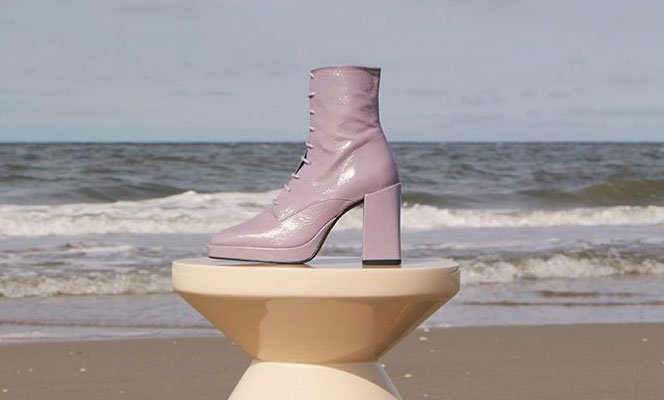
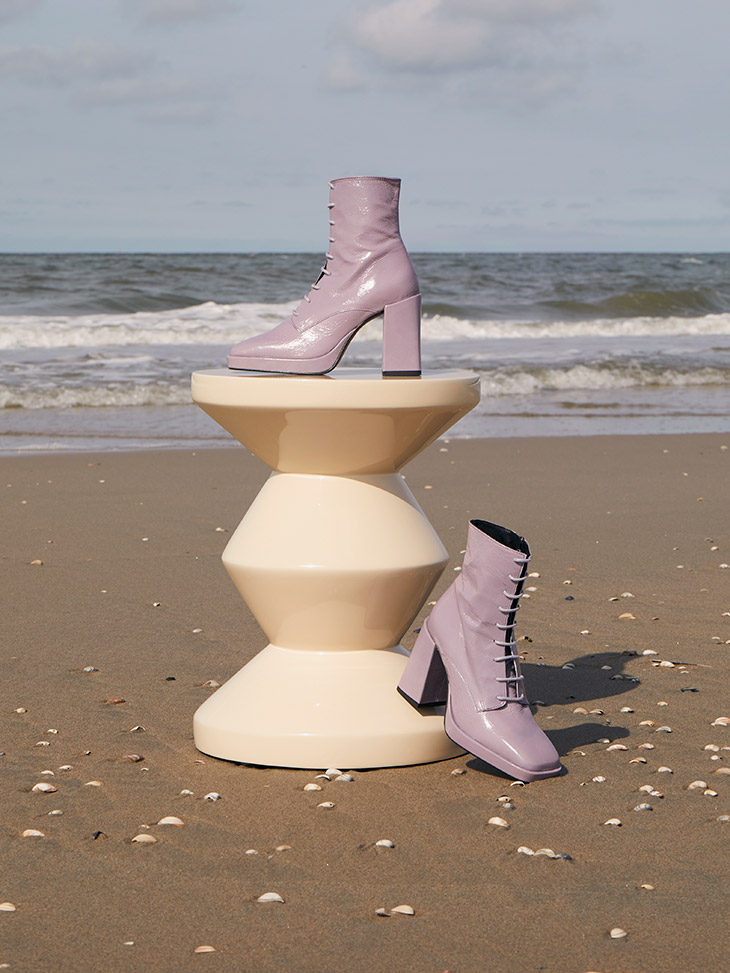
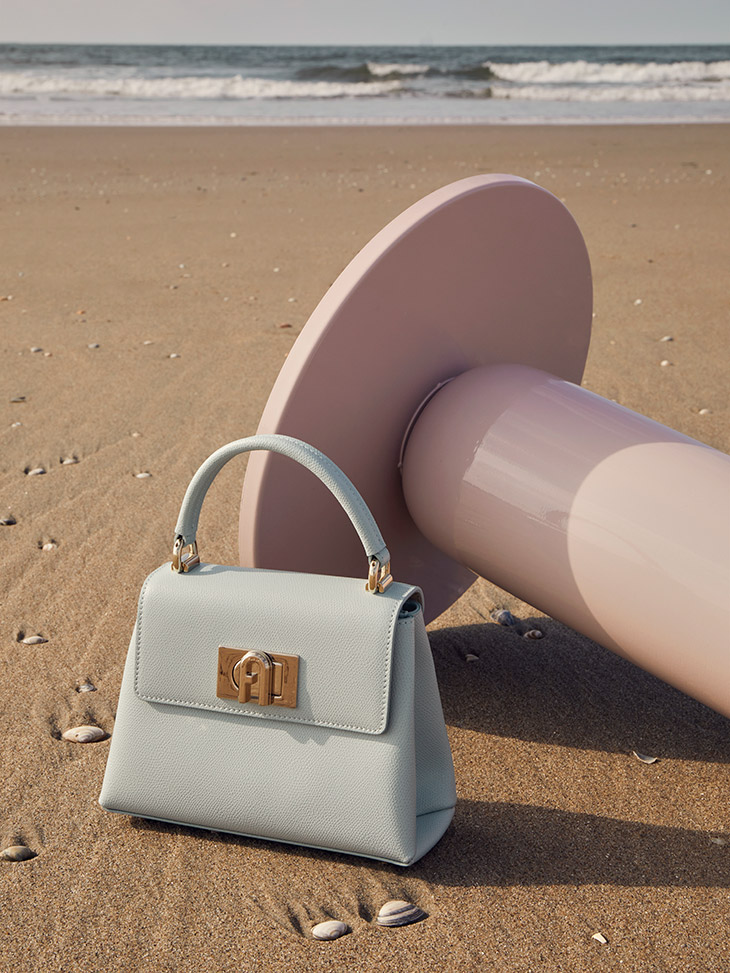
Images from Down at the Beach by Julie Vielvoije – see the full story here.



