


Wellness technology can often be intimidating. a foreign object that tracks you, scores you, and presents you with complex information to process, more graphs, more alerts on top of the anxiety that prompted you to buy it in the first place. Konela creative studio based in Japan, New York and Milan, has spent several years creating projects that work in the opposite direction.
Their latest, Pulse Packpremiered as a solo exhibition during Fuorisalone 2026 at Via Palermo 11. The object is a wearable bag that reads your heartbeat in real time and responds with a natural vibration at exactly half the frequency. Unlike most similar devices, the product does not ask you for anything. it does not alert, prompt or suggest, but simply acts and allows your nervous system to react.
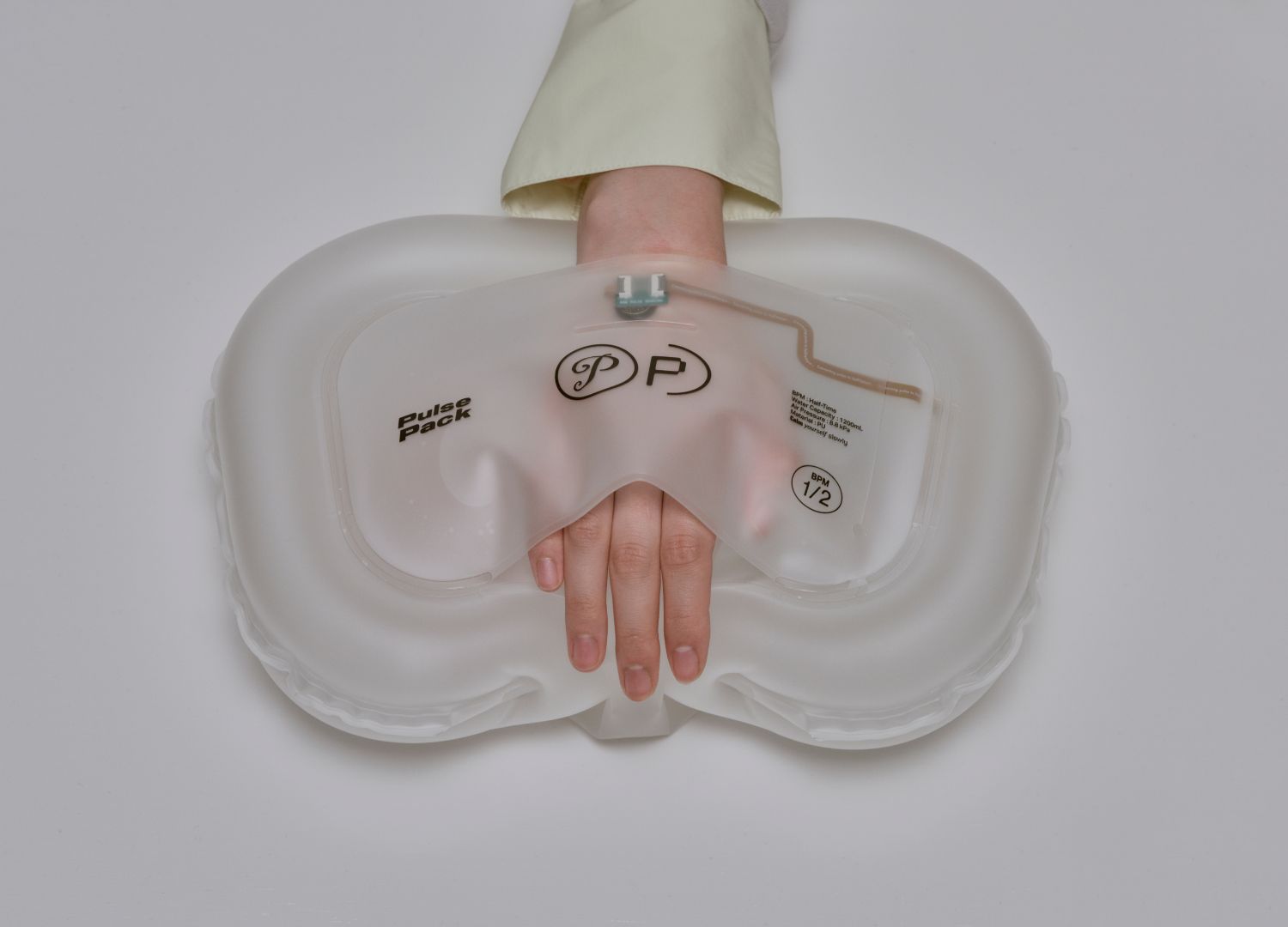
Pulse Pack © Konel
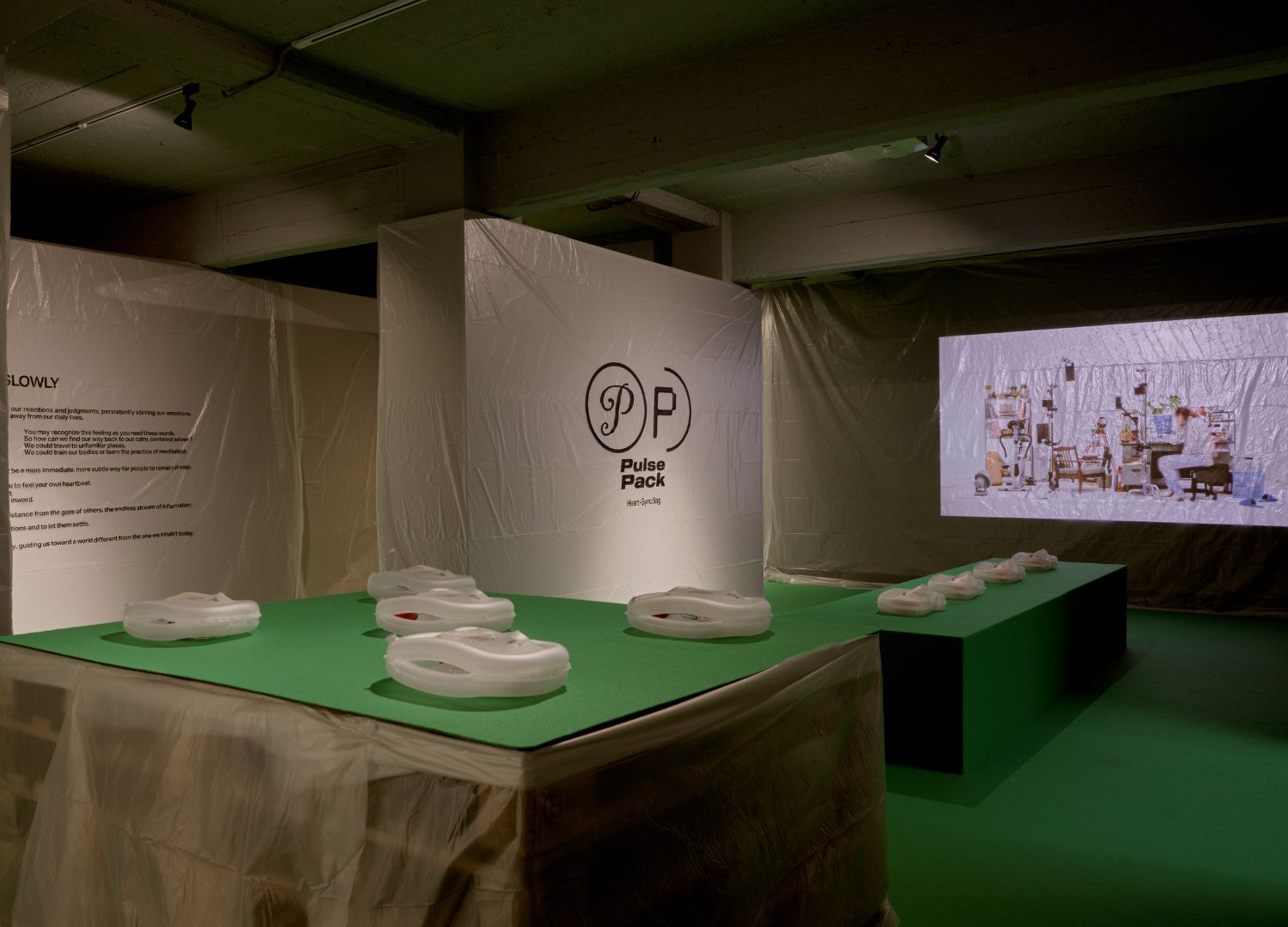
Pulse Pack © Konel
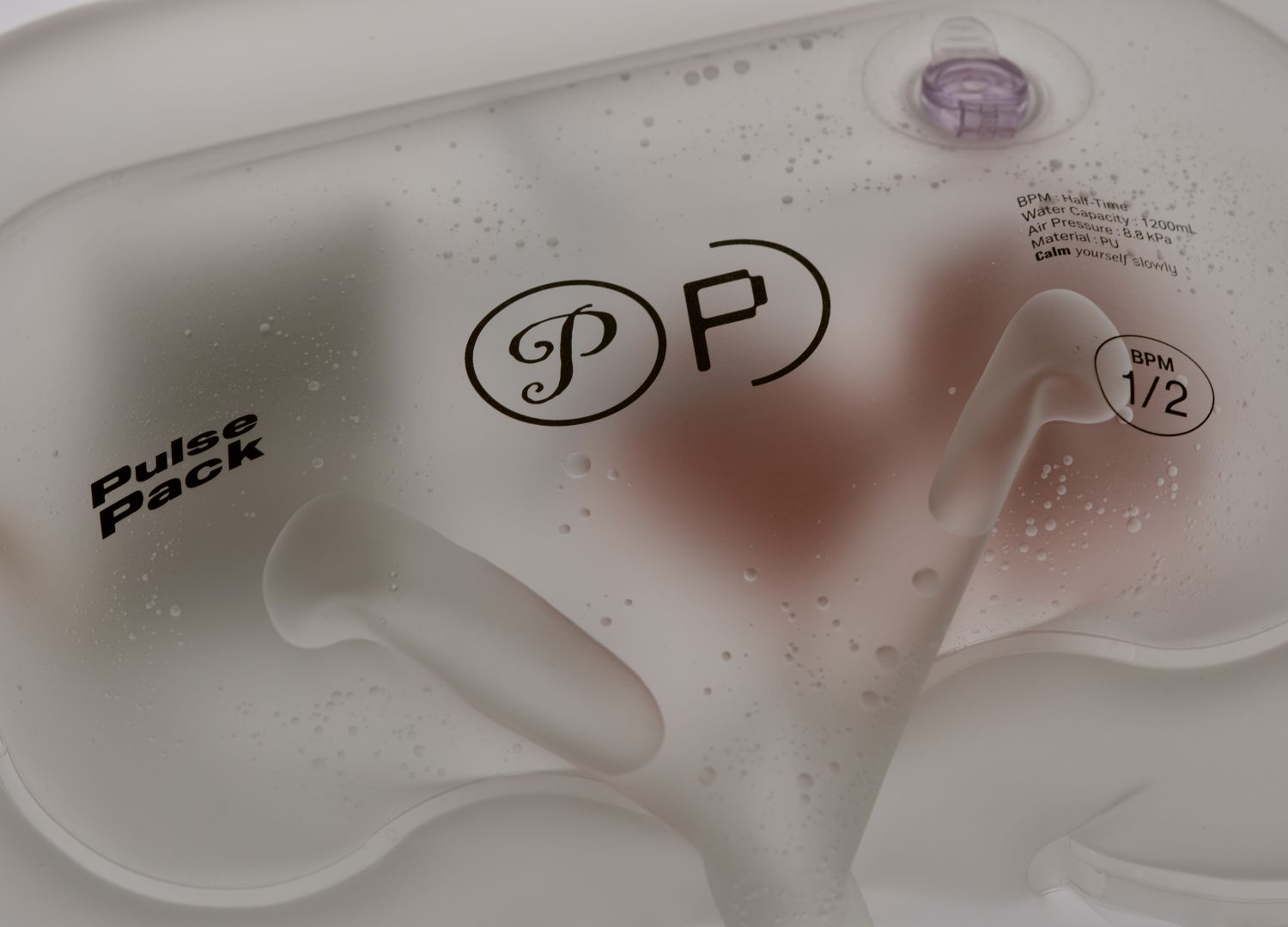
Pulse Pack © Konel

Pulse Pack © Konel
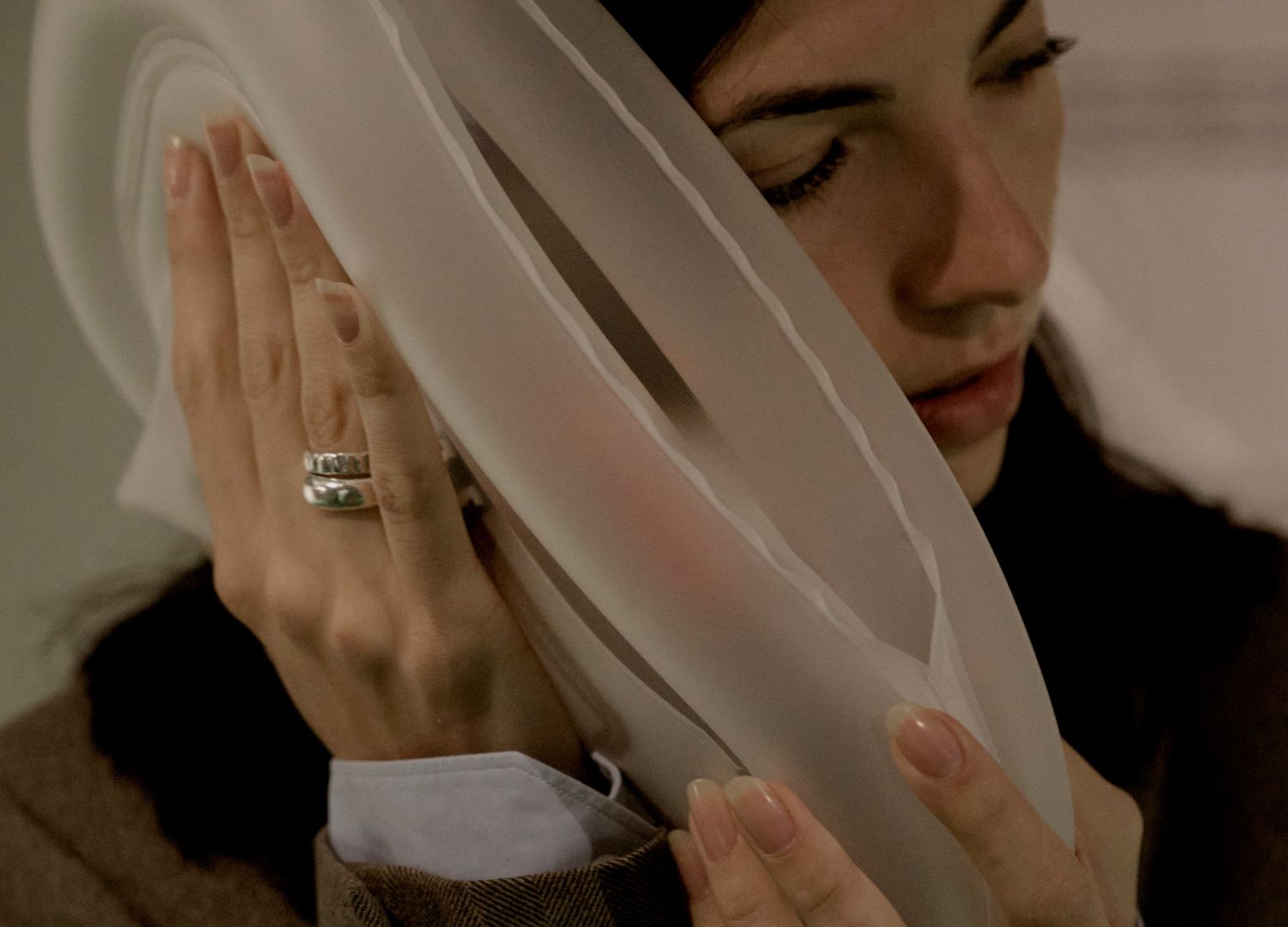
Pulse Pack © Konel
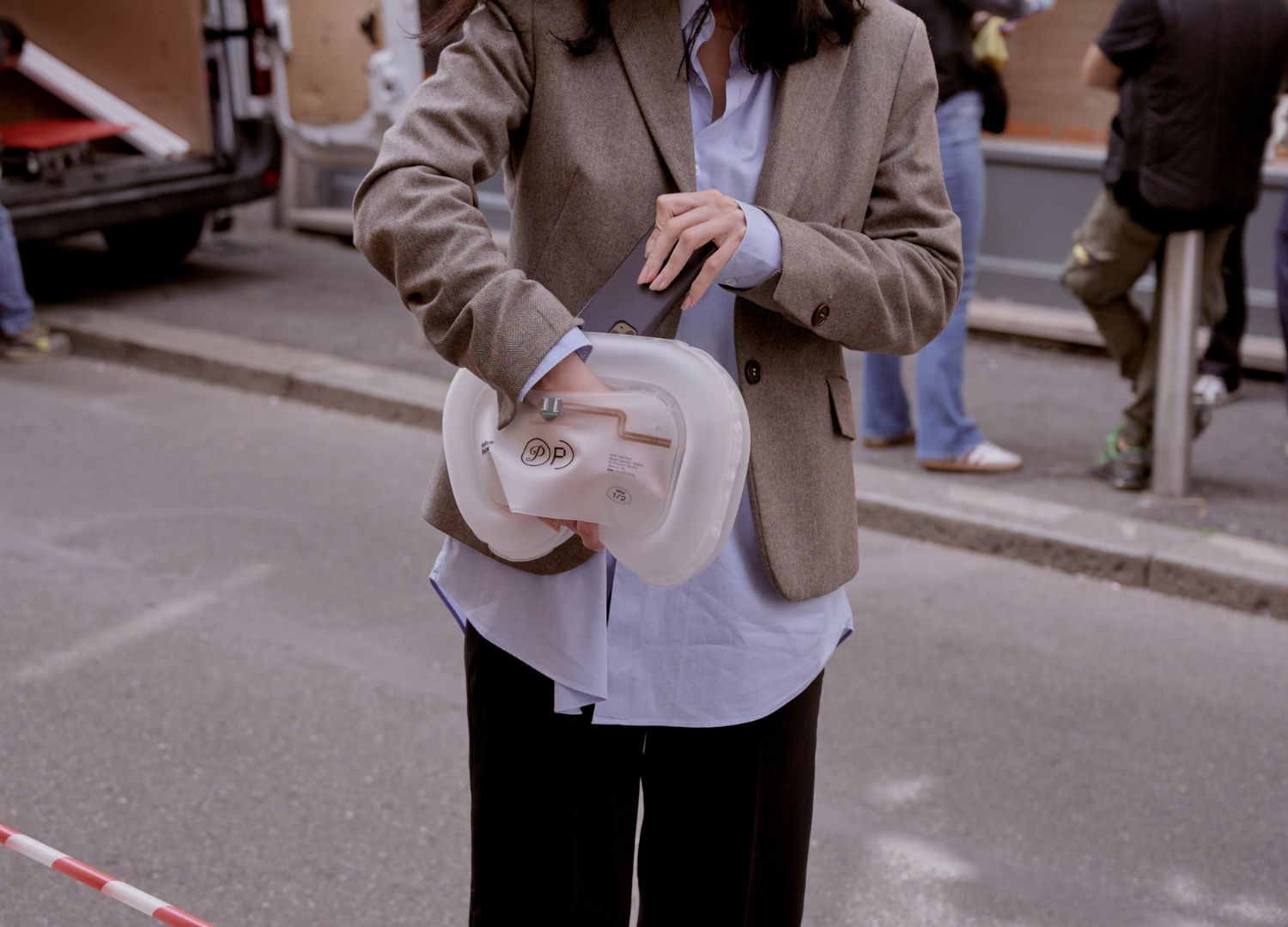
Pulse Pack © Konel
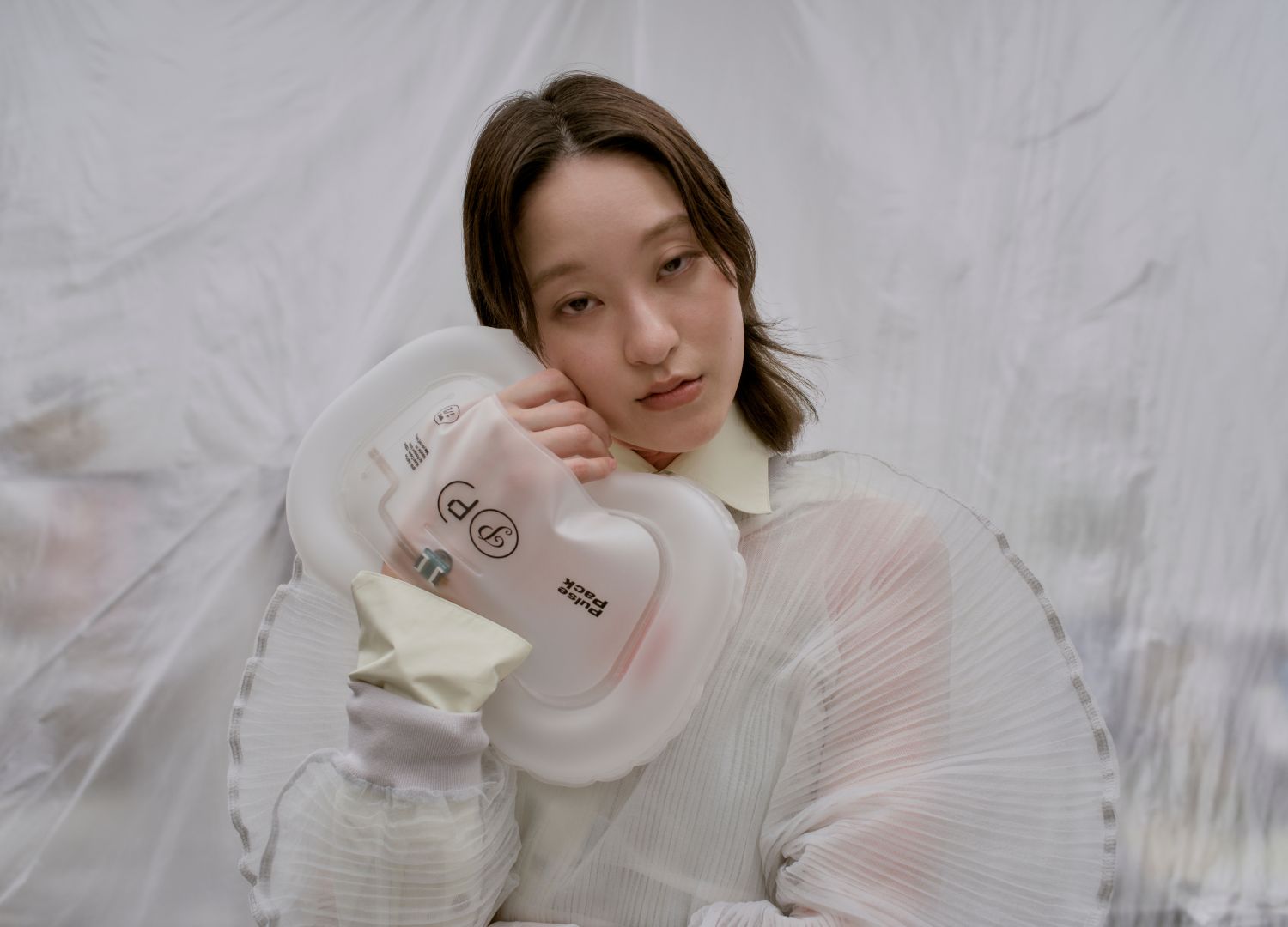
Pulse Pack © Konel

Pulse Pack © Konel
The science behind this is called entrainment, a phenomenon where the body’s own rhythms synchronize with a constant external stimulus when that stimulus is slower and more regular than the body’s current state. We talked to Mitsuyo DemuraCEO and Project Planner and Ryusei SatoProduct Designer and Project Manager, to take a deeper look at the project.
Where did the idea for the Pulse Pack originally come from?
Mitsuyo Demura (CEO / Project Designer at Konel):
“The starting point was a simple, personal experience: while relaxing in a sauna, listening to my own heartbeat loudly in my ears guided me to an even deeper state of relaxation. Following our previous projects such as “ZZZN”, a sleepwear system where we explored the relationship between the body, biological rhythms and everyday objects, the idea of material healing and physical experience.
The pulse is something that everyone constantly carries with them, constantly changing in response to emotions, movement and stress. However, in our interactions with everyday objects, its presence is almost completely invisible. The Pulse Pack began as an attempt to make this invisible rhythm tangible. What changes when a product syncs with your heartbeat and quietly pulses at half that rate? This “half beat” setting came from the empirical knowledge our development team gained through repeated prototyping experience, finding it to be the most physically comforting BPM. Above all, we wanted to use this prototype to verify if we could create a moment for people to reflect on themselves in their busy daily lives.”
During Milan Design Week, how did people react to their interactions with the product?
Ryusei Sato (Product Designer & Project Manager at Konel):
“We got a lot of deeply resonant reactions. Since the Pulse Pack is a product that transmits vibrations directly to the body, pictures and videos can’t fully convey the experience. The immediacy of feeling it the moment you put it on—even before any verbal explanation—was the most powerful aspect of the show.
Even those who had read about it online beforehand were often surprised by the actual feeling when they put it on. Some people moved their bodies on the spot to see how their heart rate would change, while others took out their smartwatches to compare the numbers in real time. These strange, instinctive and highly physical reactions aligned perfectly with what we intended.“
“What was most striking was how quickly many people went from ‘What is this?’ phase and turned into pure curiosity. While speculative objects can sometimes create a sense of conceptual distance, the physical nature of the Pulse Pack seemed to dissolve that distance almost immediately. Instead of understanding the object through explanation, they understood it through their body. From there, they naturally started brainstorming and imagining different ways it could be used in the future.”
Despite being a deeply sensory discipline, drawing is still very intellectual and during exhibitions time is often spent talking, explaining, reflecting. The opportunity to understand a design through such a visceral physical experience is refreshing, especially for exhausted visitors. The quality of a design object explained through sensation rather than information is characteristic, but also what makes it difficult to assess from the outside as original.
Regardless of the personal experience, the Pulse Pack changes the terms of the conversation about what wearable technology can do. The market for wellness devices have largely settled into treating the body as a machine, as a source of data to be monitored and optimized. by Konel The position is that the body already knows things worth hearing, and devices should work with its natural rhythms rather than attack them.



