


Most travelers pass right through this park. Their loss, clearly. A winding beach road hides the entrance. So almost no one stops to look.
Rainforest trails meet a quiet sandy beach. A coconut grove sways near the campsites. Hawaii crams immense wild beauty into one park.
River crossings break up longer routes. I double shot on the size. Over five thousand acres remain almost empty. Newbies can hardly believe it.
Waves crash down a steep cliff. You camp where the surf never stops. Then a hidden cove opens up.
The whole place feels untouched and raw. Few parks this large remain so quiet.
A valley that stops you cold
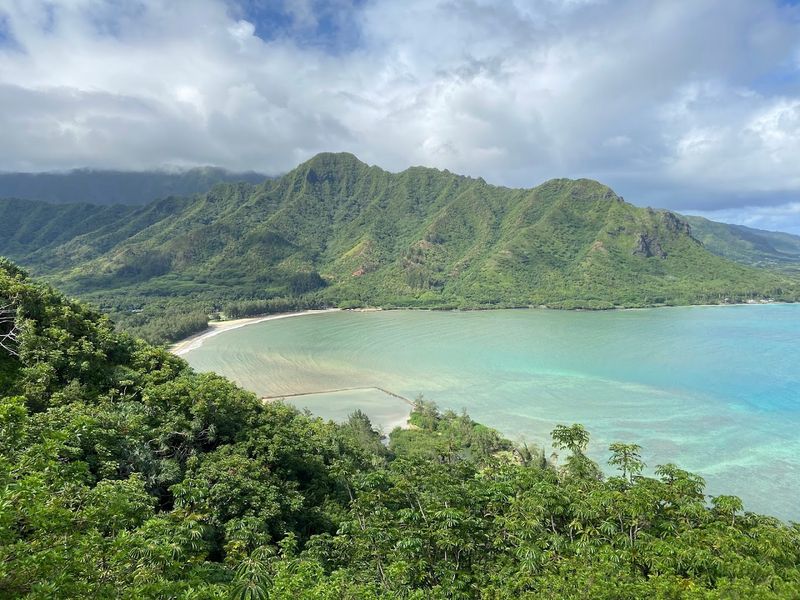
The first time you see Kahana Valley clear from the side of the road, your jaw really drops.
The mountains rise steeply on either side, enveloped in dense green rainforest, and the valley floor stretches down to the sea. It’s the kind of scenery that pulls you in even when you weren’t planning on stopping.
Ahupuaa O Kahana State Park covers more than 5,300 acres, making it one of the largest state parks on Oahu. The valley is one of the last ahupuaa, a traditional piece of Hawaiian land, that is still publicly owned in the entire state.
The park is located right along Kamehameha Highway on the windward side of the island. Lush vegetation presses in on every side and the air carries that clean, earthy scent that only comes from the real rainforest.
This valley has a presence that is hard to describe in words, but very easy to feel the moment you arrive. You can find the main entrance at 52-222 Kamehameha Hwy in Kaaawa.
Trails that really reward you
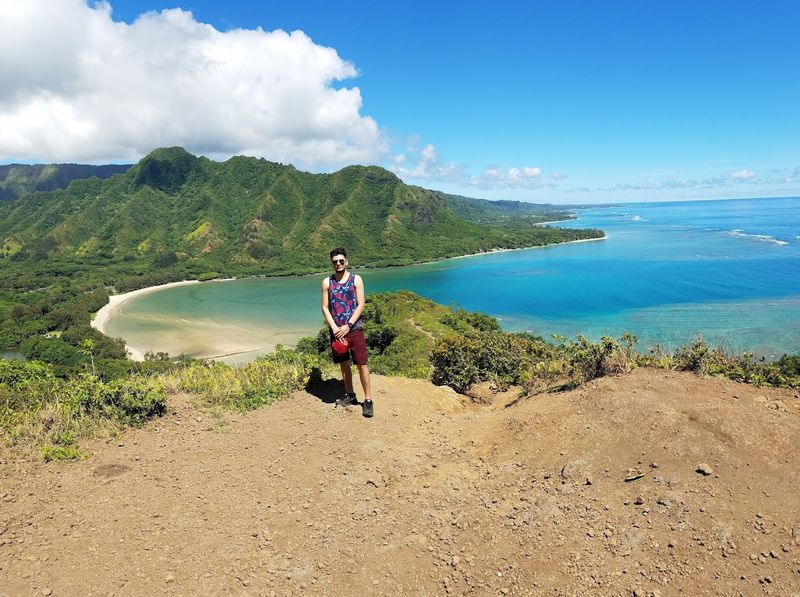
Not every trail in Hawaii lives up to its promise, but the Nakoa Trail at Ahupuaa O Kahana State Park is the real deal.
The loop passes through dense rainforest, crosses unbridged rivers and offers you views that truly feel earned. Bring shoes you don’t mind getting wet because these river crossings are not optional.
The full loop runs about five miles and takes most hikers two to three hours to complete.
The elevation changes are moderate but steady, so you get a solid workout without the need for mountaineering experience. There are trail signs, although some sections feel a bit overgrown, which honestly adds to the adventure.
Going counterclockwise means saving the deeper river crossing for the end of the loop. That little detail made me laugh when I found out the hard way.
Pro tip: pack a second pair of dry socks in a ziplock bag and thank yourself later.
The sounds along the trail are something else entirely. Water rushing over rocks, birds calling from the canopy, wind moving through the leaves above you.
River crossings worth getting wet for
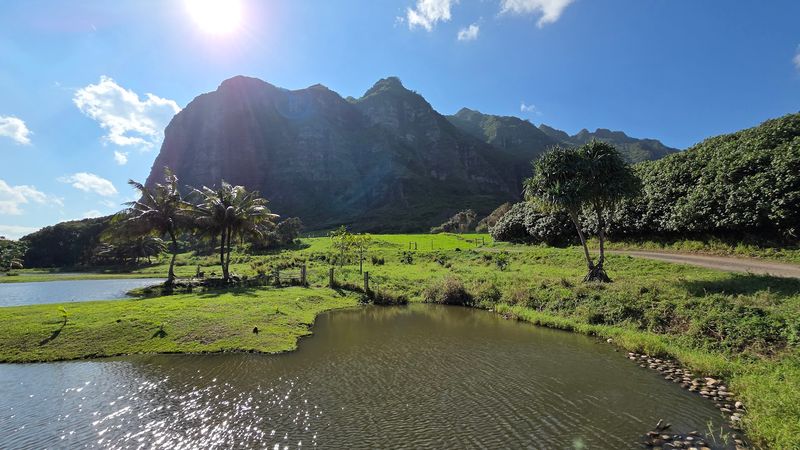
Let me be upfront about something: this park has river crossings without bridges. Zero. You pass, period.
After a rainy run, these crossings can become surprisingly deep and the current moves faster than seen from the bank. Wear sturdy shoes with good grip or a pair of water shoes to change into at crossings.
Quick-drying swimwear or shorts are really smart choices for a day here. Cotton absorbs water and stays heavy and cold for hours, which is miserable on a long hike.
The lightweight sports gear dries quickly and keeps you moving comfortably even after a full river.
The rivers themselves are beautiful. Clear waters run over smooth stones and the surrounding vegetation turns the whole scene into something almost unreal.
I stopped in the middle of a crossing just to look around for a moment, and it was one of those little travel memories that stick with you for years.
Camping Next to the Ocean
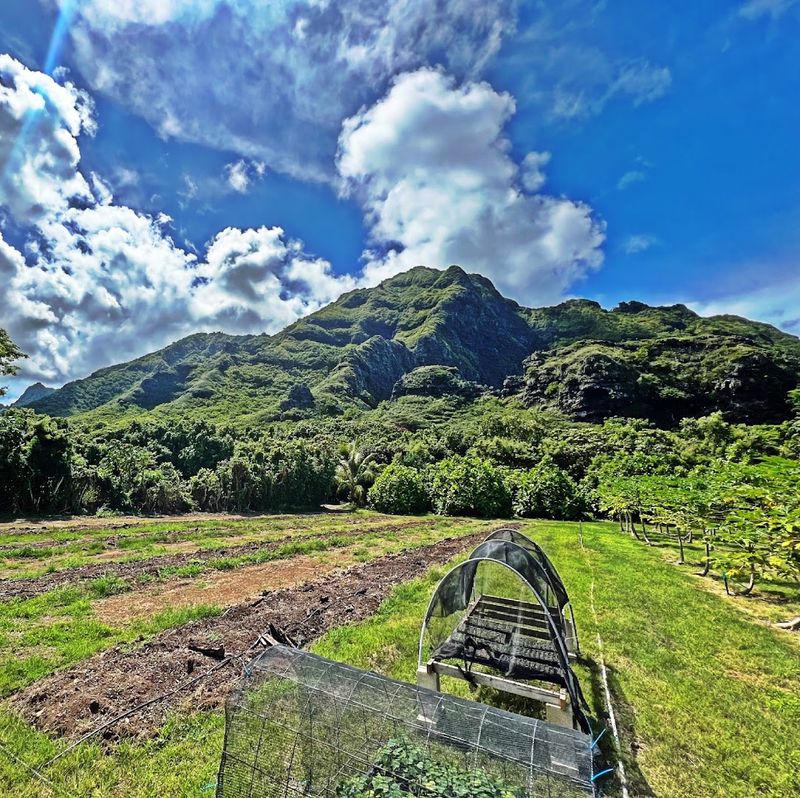
Camping at Ahupuaa O Kahana State Park is one of those experiences that sounds almost too good to be true.
Oceanfront campsites are just steps from the water, with the sound of the waves replacing any noise you left behind in the city. The mountain backdrop makes the set look like a travel magazine cover.
The campsites are basic, which is part of the charm. Bathroom facilities are across the street and amenities are minimal.
But when your tent door faces the Pacific Ocean and the sunrise hits those mountains behind you, no one complains about the lack of a pool.
The park is open daily from 7am. until 7 p.m. for day visitors and overnight camping permits are required. Daytime visits tend to be much quieter, with fewer people around and a really peaceful atmosphere.
Traffic along the highway thins out late at night, so the nights are fairly quiet. A small but memorable detail: the local roosters take their alarm clock duties very seriously.
Hawaiian history woven into every step
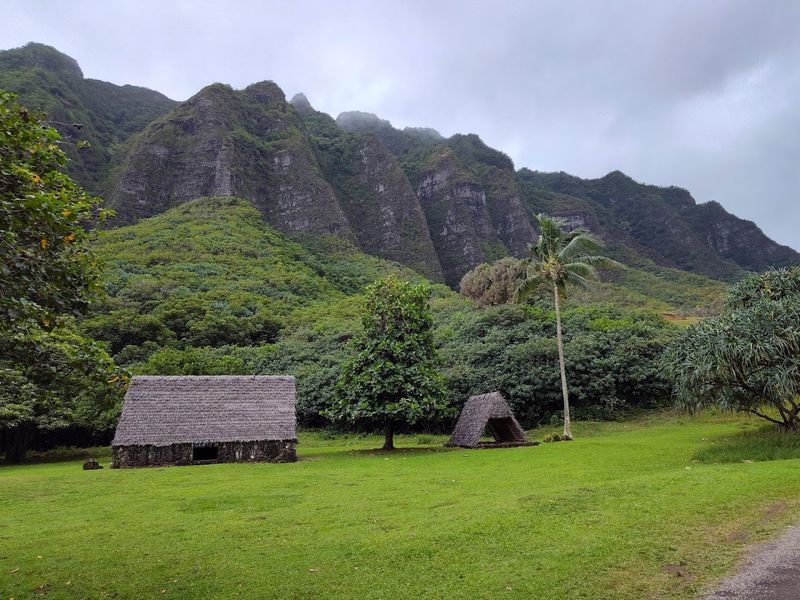
Ahupuaa O Kahana State Park is not just a beautiful place to hike.
It has deep cultural weight as one of the only remaining ahupuaa, a traditional Hawaiian land management system, still held in public trust.
The concept of ahupuaa divided the land into a vertical slice from mountain to sea, allowing communities to access all the resources they needed in a single area.
Walking through this valley, you are literally moving through a living example of how the ancient Hawaiians organized their relationship with the land.
This is not something you find in most state parks anywhere in the country. The history here runs deep and the landscape itself tells part of the story.
The park also sits within a broader cultural landscape on Oahu that includes fishing grounds, farm terraces, and sacred sites.
Respecting the land and staying on marked trails isn’t just good backcountry etiquette here. It’s a way to honor a place that has been cared for by Hawaiian communities for generations.
The Coconut Grove Surprise
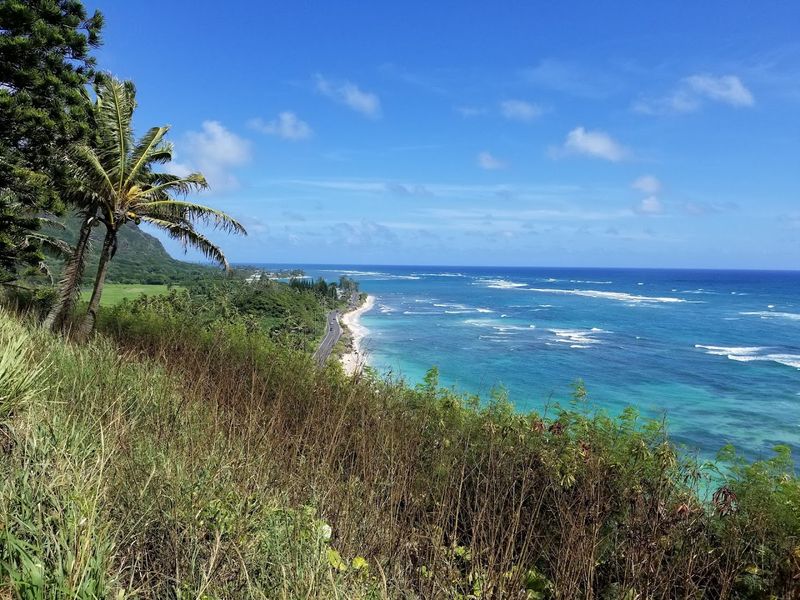
Just off the shoreline, a coconut grove adds one of those unexpected postcard moments you didn’t plan for, but absolutely love.
Tall palm trees sway in the trade winds, their leaves catching the light in a way that makes any photo look effortlessly good. It’s the place where you sit for one minute and accidentally stay for thirty.
Coconut groves like this were historically planted and maintained by Hawaiian communities as a reliable source of food.
The presence of this grove near the shoreline is another reminder that this land was actively cultivated and cared for long before it became a state park.
The grove also provides natural shade, which you will deeply appreciate after a few miles on the Nakoa Trail. Sitting under these palms with the ocean breeze coming off the bay is one of the most simple and rewarding things you can do in this park.
Ahupuaa O Kahana State Park has a way of providing those little bonuses you didn’t know you needed. The grove is one of them.
Pack a picnic, find a good spot under the palms and let the afternoon do its thing.
Wildlife and nature up close
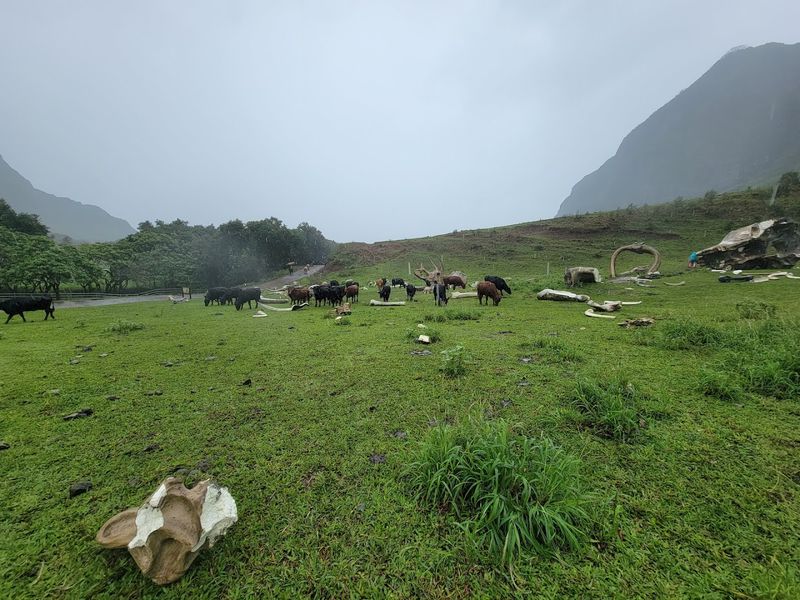
The biodiversity within Ahupuaa O Kahana State Park is quietly impressive.
The rainforest canopy is home to an array of native Hawaiian birds, and the valley’s relatively undisturbed ecosystem supports plant life that has become rare elsewhere on the island.
Native ferns cover the forest floor in some areas and the variety of tree species overhead changes as you move to different elevations.
The air gets cooler and foggier as you climb higher in the valley, and the vegetation responds to this shift in obvious ways. It’s a small but real reminder that you’re moving through a living, multi-layered ecosystem.
On one section of the trail, I spotted something moving in the undergrowth and froze. It turned out to be a small bird hopping through the leaf litter, completely unfazed by my presence.
It’s these small, unscripted moments that make hiking a place like this so rewarding compared to a guided tour.
The ocean at the mouth of the valley adds another layer of ecological richness. The bay supports marine life and the coastline shifts between sandy beach and rocky outcrops depending on where you are.
Planning your visit the smart way
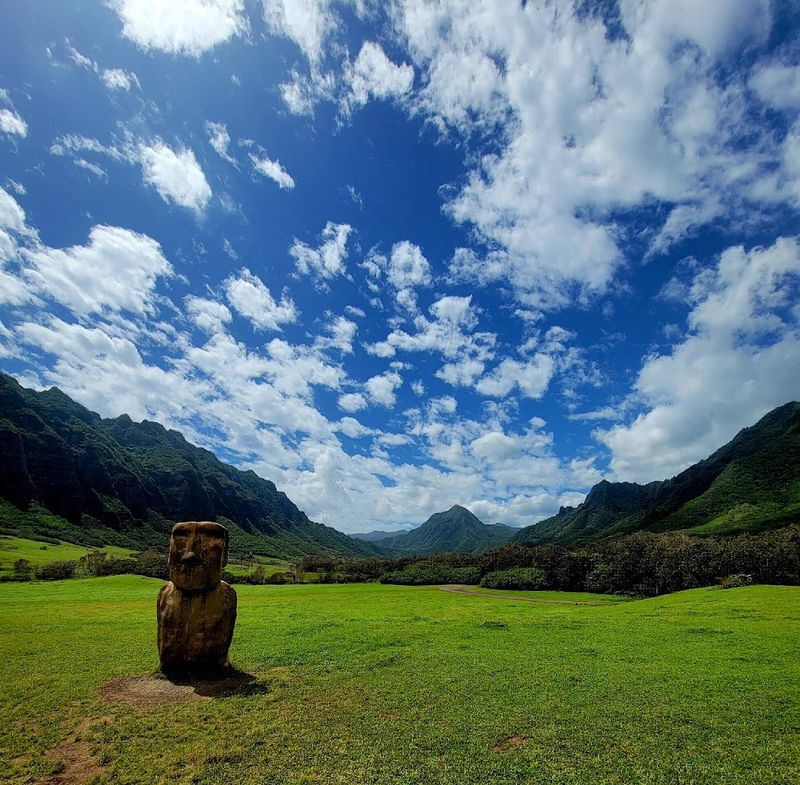
Getting the most out of Ahupuaa O Kahana State Park depends on a few key decisions made before you even leave home.
First, check the weather forecast specifically for the windward side of Oahu, not just the general island forecast. The valley gets a lot more rain on the leeward side and a recent downpour will make these river crossings much more difficult.
The park opens at 7 am. daily and closes at 7 p.m., so early morning arrivals are strongly recommended. The parking lot fills up faster than you might expect on the weekends, and the trail is noticeably more enjoyable when you have it mostly to yourself.
In terms of gear, bring more water than you think you need. The trail is exposed in sections and the humidity in the valley is real.
Sunscreen, bug spray and waterproof footwear round out the essentials. A dry bag or zipper for your phone and wallet is a smart call given the river crossing.
The park’s phone number is available if you want to check trail conditions before heading out. Camping permits must be arranged in advance through the Hawaii State Parks System.



