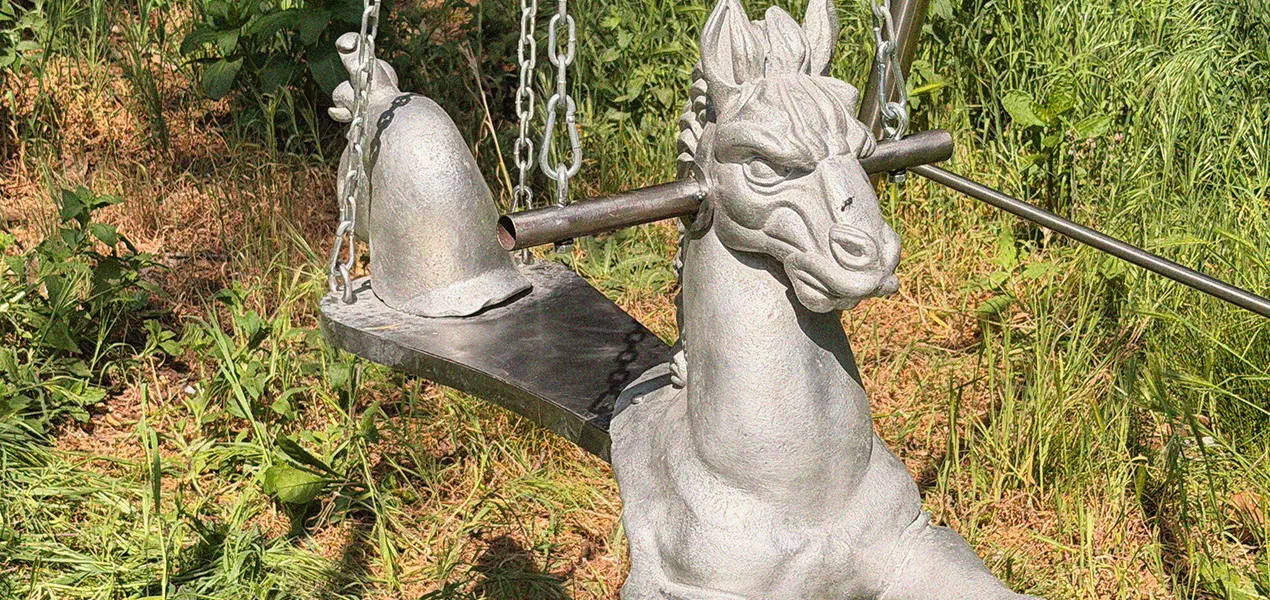

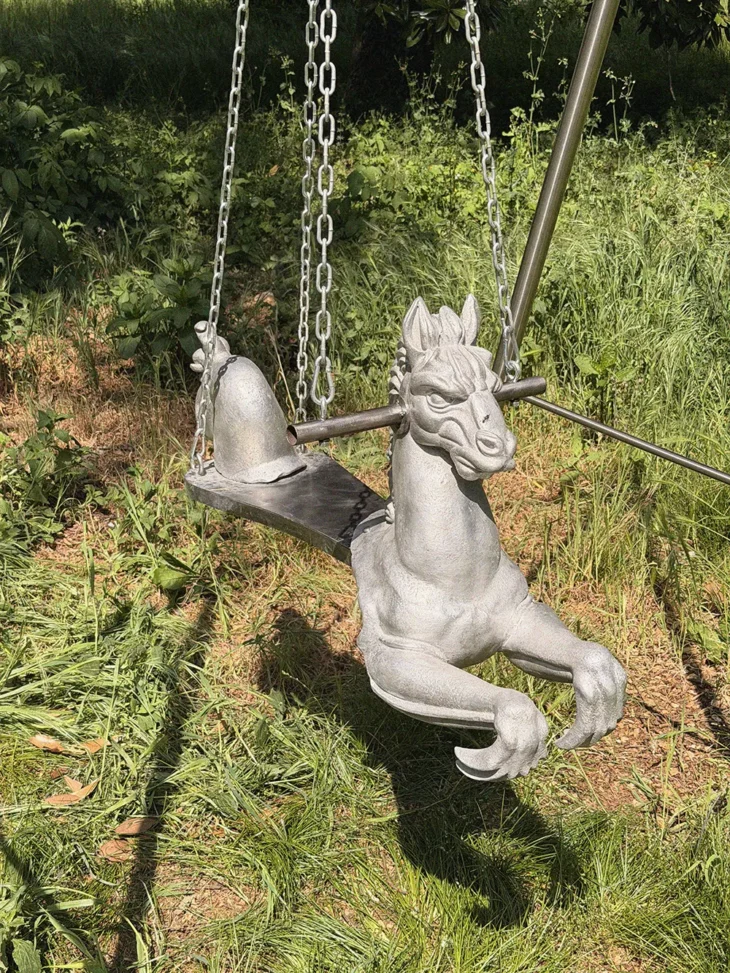
Milan Design Week it has developed its own logic, where endurance becomes the method. Twenty-five thousand steps a day, moving from one address to another, checking maps, saving pins, trying to keep up with a program that never had a chance to work. Everyone was there. Everyone was pointing. The expectation was simple: see everything, be everywhere, miss nothing. The reality was the opposite. The more there were, the less a single thing could stay with you.
The first days have a certain optimism. There is still the belief that something substantial will emerge from the density, that somewhere within the volume there is work that will change perception. Alcova comes closest to maintaining that belief. Its distance from the center remains significant. It creates a divide not only in geography but also in expectation. Projects there don’t feel compelled to be resolved immediately. They exist at a slower pace, where experimentation still leads and outcomes remain open. This condition allows for a different kind of engagement. You are not required to consume the work immediately. You are allowed to stay with him.
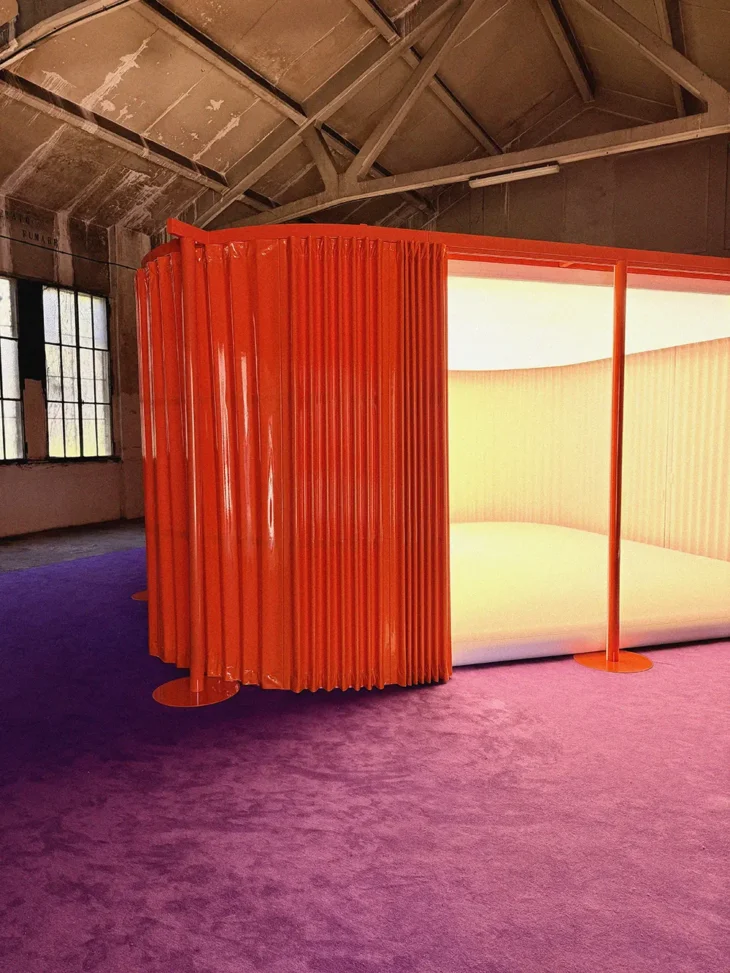
From there the week accelerates. The city is full of facilities. Apartments, courtyards, galleries, abandoned spaces, headquarters. Every address offers something. Every brand presents something. The expectation becomes clear: keep moving forward. See more. The list is growing faster than it can be filled. By the second day, the number of steps becomes a silent measure of productivity. Movement replaces attention.
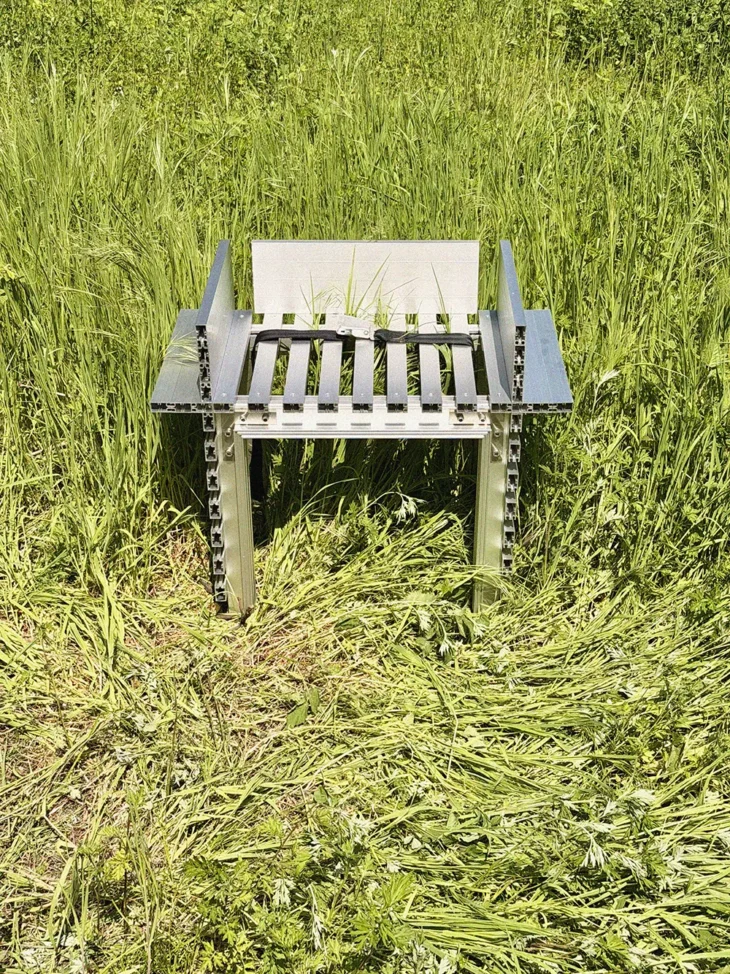
I probably saw more than fifty installations. At a certain point, they start collapsing into each other. Not because they are identical, but because there is no time to process them individually. You move from one environment to another, absorbing fragments. A material here. A color there. A reference that feels familiar but never quite lands. The experience becomes continuous, without clear ends.
Milan Design Week has developed its own logic, where endurance becomes the method.
The pressure for exposure is everywhere. Participation is considered mandatory. Design Week no longer asks if something should be featured. He assumes it will be. Brands, studios, collectives, foundations and companies outside the industry are all arriving with projects. The result is density. An environment where presence carries more weight than intent.
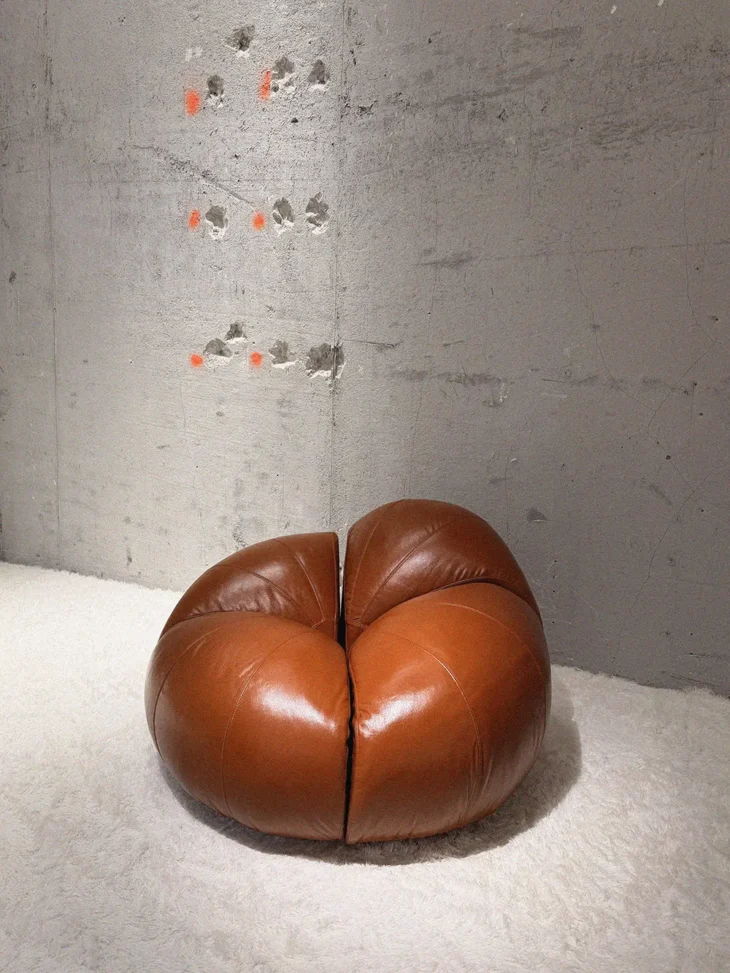
Fashion and beauty brands now occupy a central position in this structure. They arrive with scale, with production value, with the ability to build environments that feel complete. The line between disciplines is quickly dissolving. A fashion brand presents furniture. A beauty brand presents items. Charges are blurred, but the reasoning behind them often remains unclear.
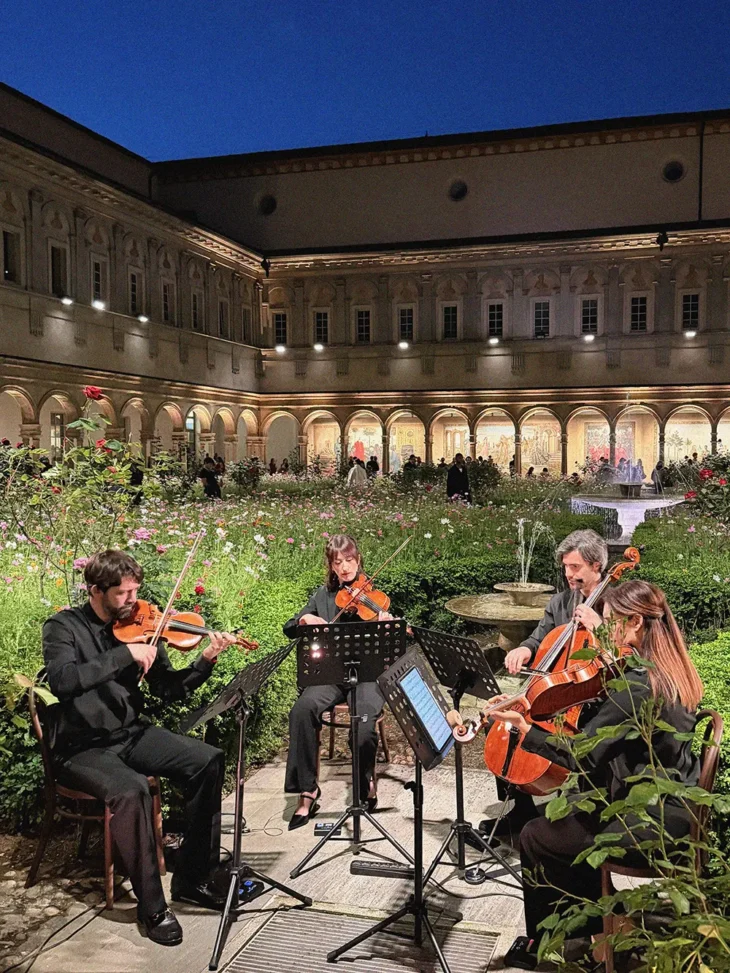
A moment stays with me. A beauty brand introduced a lamp. A 2,000 euro object, placed in a frame that begs to be taken seriously as a design. The question is not whether it looks good. The question is why it exists and why it has value. Why buy a lamp from a beauty brand when there are designers who have spent years working in the industry? Power shifts easily when the brand is driving.
Not every item needs to exist just because it can be produced.
The same pattern occurs throughout the city. Fashion brands enter design spaces with confidence, often treating objects as extensions of their identity. Materials and forms become secondary to the narrative. The item supports the brand, not the other way around.
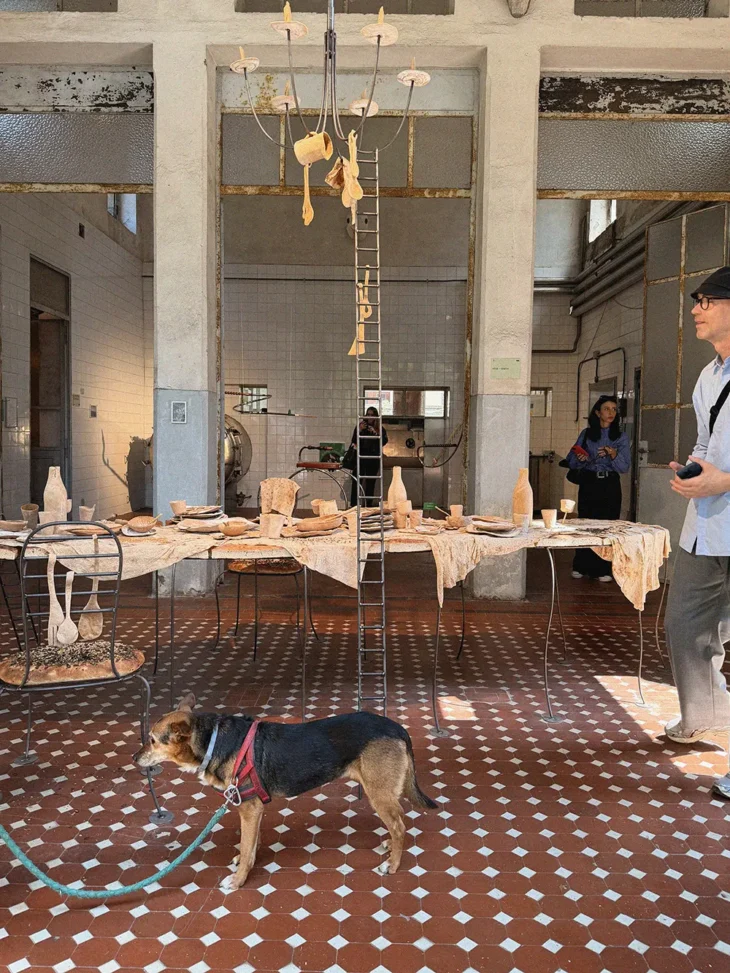
At the same time, fast fashion brands are pushing further into these spaces, often through collaboration. The strategy is accurate. Collaborate with emerging designers, with artists, with credible figures and build a narrative around creativity and culture.
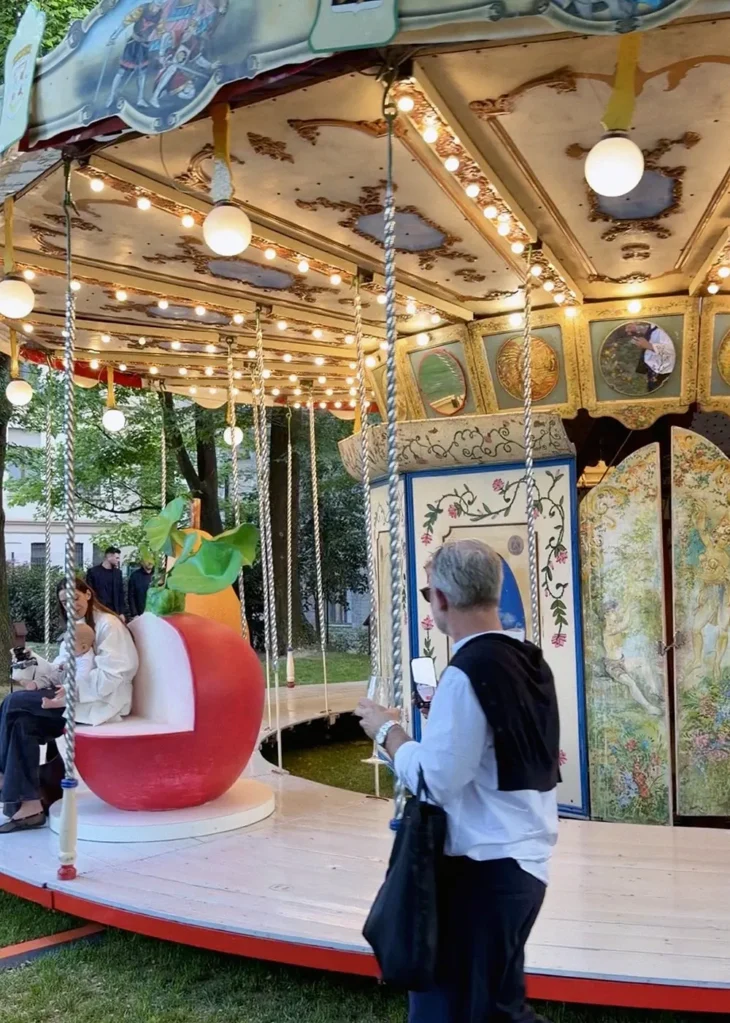
A project unfolded in a public park. A carousel, made in collaboration with a young artist, placed in a setting that felt deliberately innocent. Bright colors, soft shapes, sense of play. An orchestra played nearby, using vegetables as instruments. The sound, the visuals, the atmosphere, all worked to create a moment that felt light, almost detached from reality. It was beautiful. It was exciting. It was easy to photograph and easy to share. And yet, the intent seemed clear. To create a space where the presence of the brand is removed from its production model, where the focus is on the experience, on the emotion, on something that feels harmless.
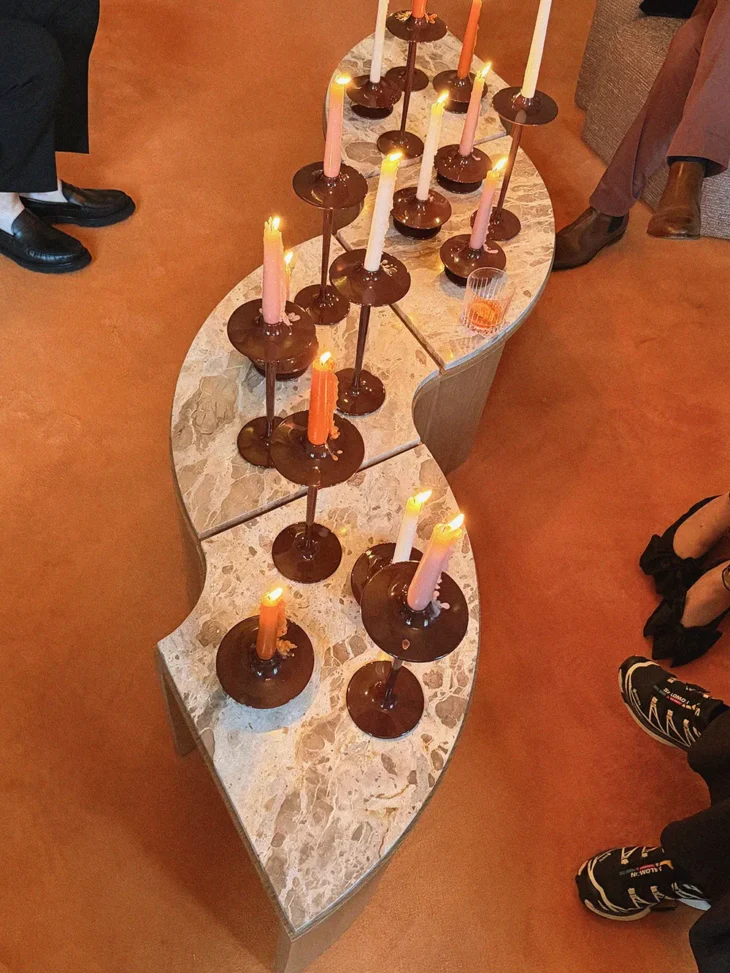
Another fast fashion brand took over a Milanese palazzo, teaming up with a well-known interior designer to present a collaborative collection. The setting had weight. The rooms were laid out, the furniture precisely placed, the lighting controlled. She felt complete. It felt convincing. The collaboration added credibility, the designer’s name anchored the project in a design conversation. But again the question remained. What is behind it? What structure supports it? How does this translate beyond the week itself?
Collaboration has become the fastest way to lend credibility.
A third brand collaborated with a young designer who currently holds a strong position in the industry, someone widely recognized, talked about. The project immediately attracted attention. It brought the energy of something current, something aligned with the moment. But the underlying dynamic remains the same. Visibility flows in one direction. Trust transfers. The system that produces the core effect of the brand remains unchanged. At what cost?
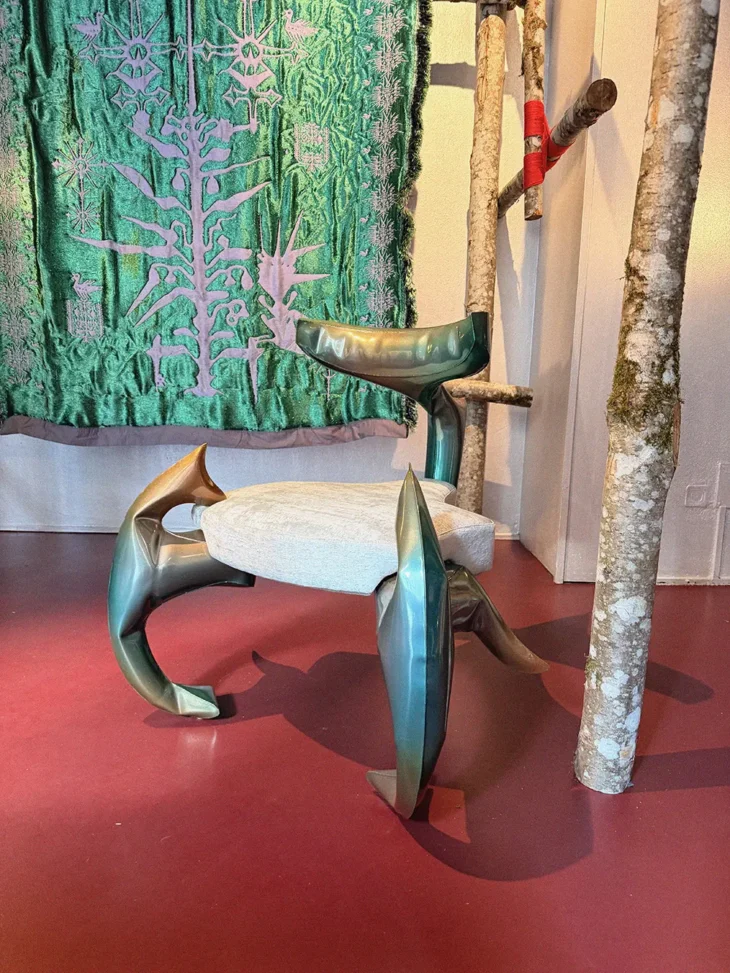
The language surrounding these projects often indicates responsibility. Words like sustainability, awareness, care. They appear consistently, repeatedly in press releases, installations, conversations. The tone seems to be considered. The messages seem to align with broader concerns. But the gap between language and structure remains visible. Projects act as moments, while the systems behind them continue at scale.
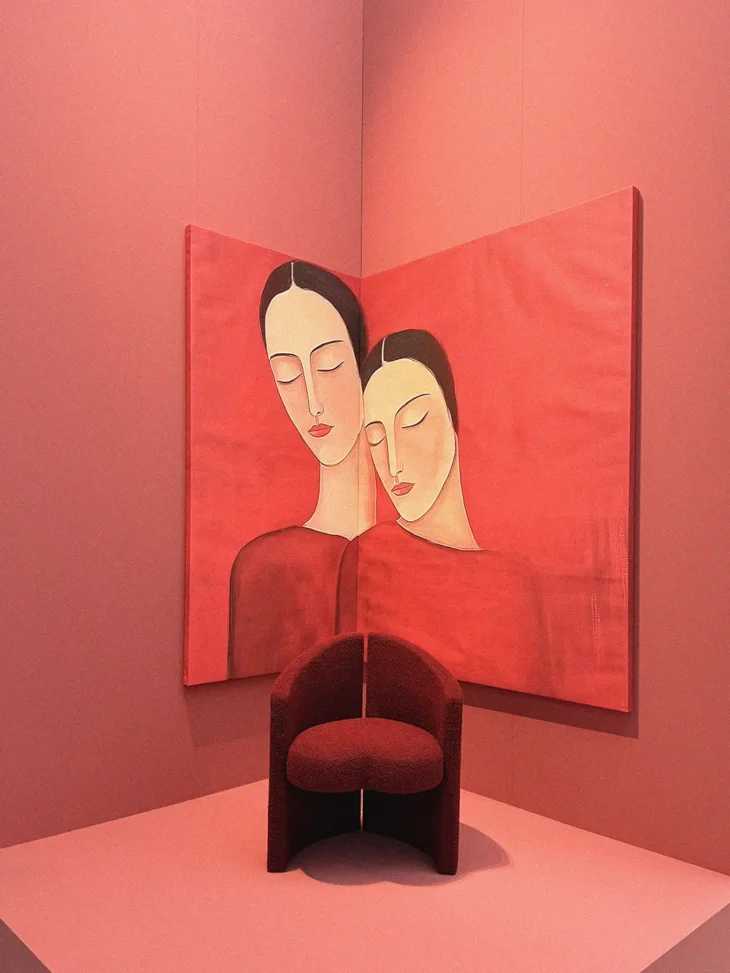
At the same time, many established design brands are taking a different approach. They remain in known territory. The collections feel controlled, sophisticated, but rarely unexpected. The risk is limited. The project works, sells, fits into an existing context. There is a sense of stability, but also a sense of repetition. The contrast becomes clear. Brands outside the industry push design with confidence, while those within it often move cautiously, protecting their position.
Presence now carries more weight than intention.
By the time I got to Fiera for the Salone del Mobile, I had already moved most of the week. I had kept the last day on purpose, as a way to separate the exhibition from the rest of the city. The scale is different. The structure is different. Rhythm allows for a more focused way of showing. It’s also where brands and customers sit, where the industry comes together in a more direct, transactional way. However, even there, a pattern repeats itself. The same brands, at the same booths, often collaborate with the same few designers that are released in projects. The collaborations are intimate. The risk is minimal. Everything works, everything looks right, but very few changes.
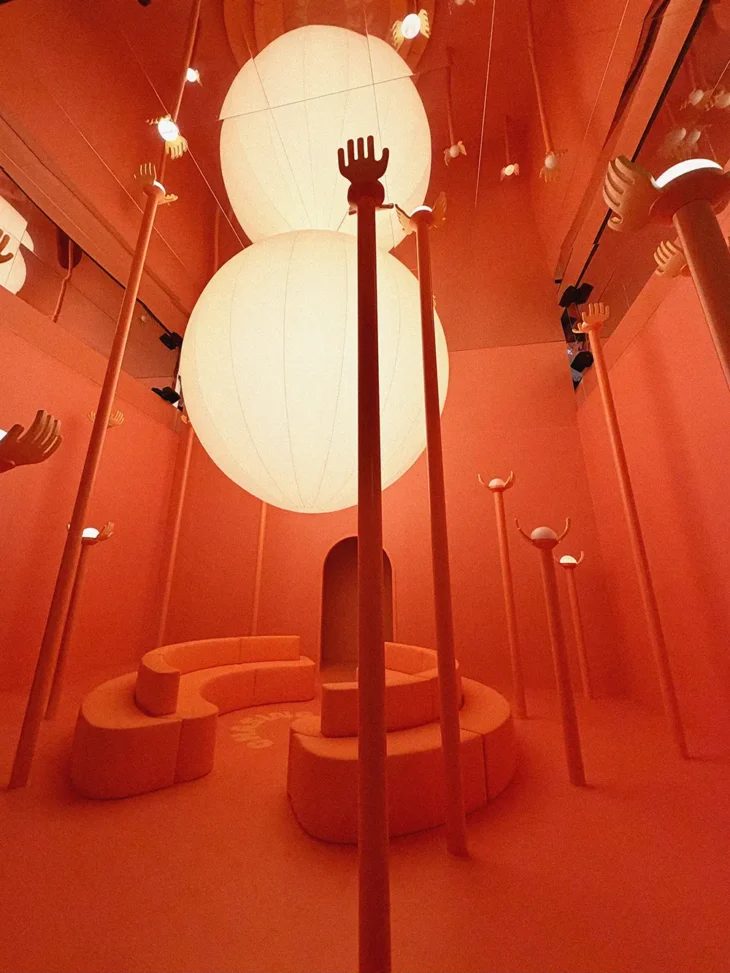
SaloneSatellite disrupts this pattern. A space dedicated to up-and-coming designers, where the work feels immediate and unsolved in a productive way. Works carry a different kind of energy. They are not fully shaped by market demands. They insist on experimentation. You see ideas in motion, not yet perfected in final form. This state feels precious. It reflects a stage where design is still developing through questioning, through testing, through uncertainty.
Nearby, the Salone Raritas offered another point of clarity. The focus shifts to collectibles, limited editions, objects that exist in a different context. The presentation is more restrained, more deliberate. The value lies in the object itself, not the surrounding narrative. It does not try to explain beyond what is visible.
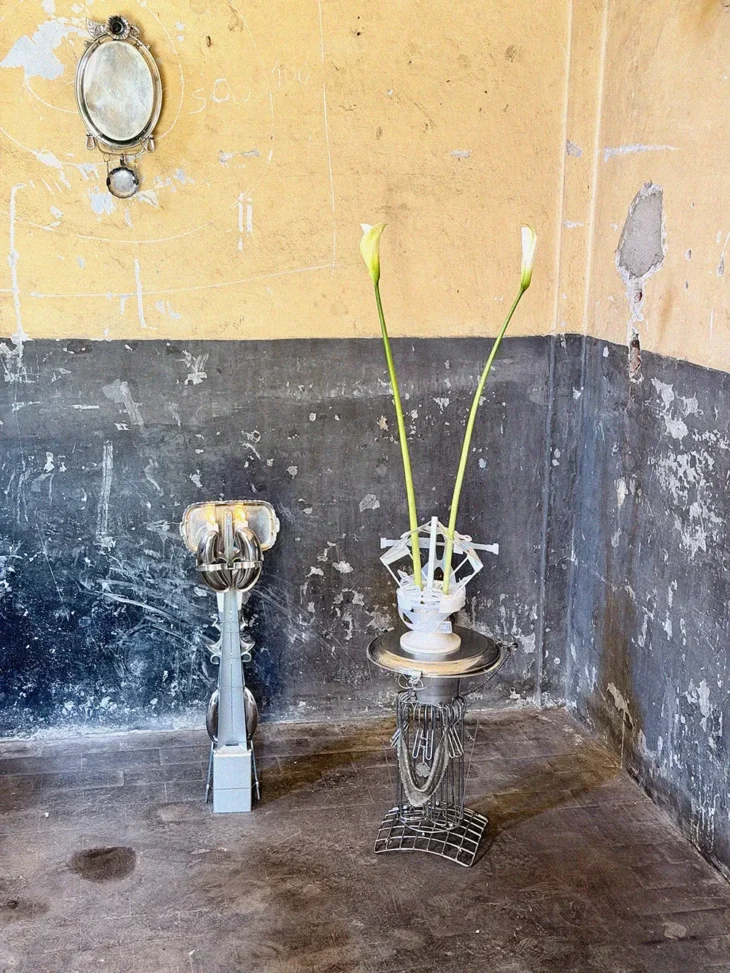
After all this, I found myself on a plane, asking a simple question. What do I really remember? Not everything. Not even most of it. Of more than fifty installations, only a few remained clean. The ones that allowed space. Those who didn’t try to solve everything at once. Ones that didn’t rely on scale or noise to exist.
Too much to see, nothing to hold.
The rest fades into a continuous surface. Not because he lacked effort, but because it was too much. Too much to see. Too much to process. Too much to keep. Milan Design Week continues to expand. More participants, more projects, more expectations. The pressure to attend increases every year. But presence alone does not guarantee impact. At a certain point, it starts to thin it out.
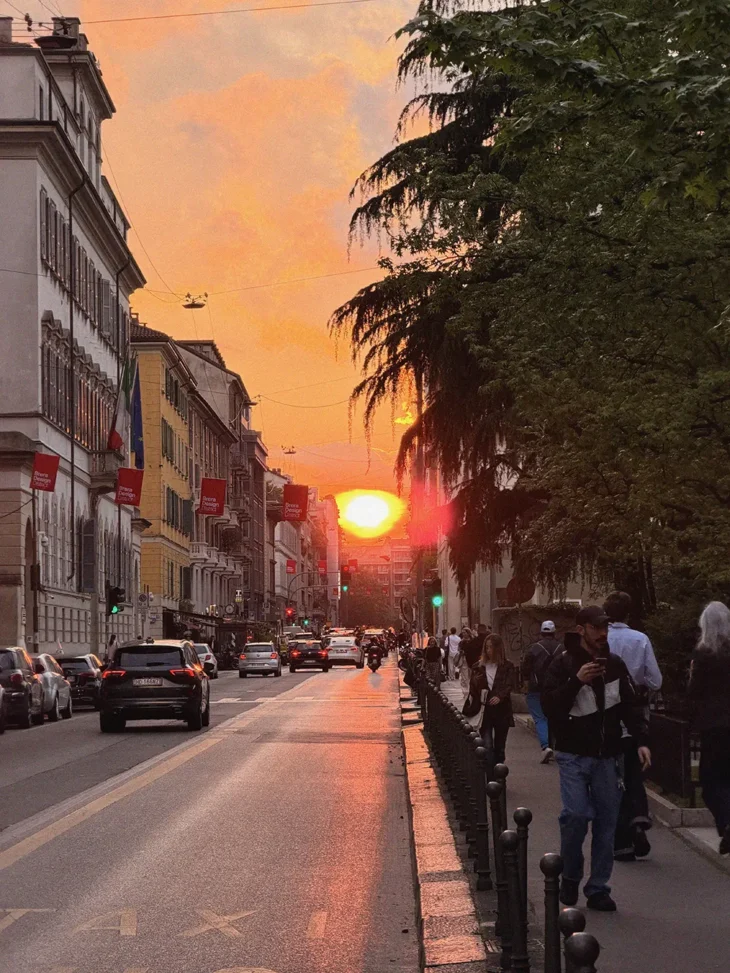
What remains is not what demands attention most loudly. It is what allows attention to settle.