

Yani Shi’s Entry into planning is based on initiative and direction formed through action. She studied business at USC, taught herself design, and developed a strong portfolio that secured her a place in UC Berkeley’s Master of Design program. This trajectory already suggests something about how it works. She is currently a product designer at Lyft, where she is the sole designer responsible for the airport transportation experience, including scheduled airport pickup, ride booking for others, and XXL ride type for passengers traveling with checked bags. These are among Lyft’s highest-margin products, collectively contributing millions in revenue to a platform that serves more than 50 million active riders annually. Airport travel remains one of the platform’s most central use cases, with more than half of its users citing it as their primary reason for choosing the service.
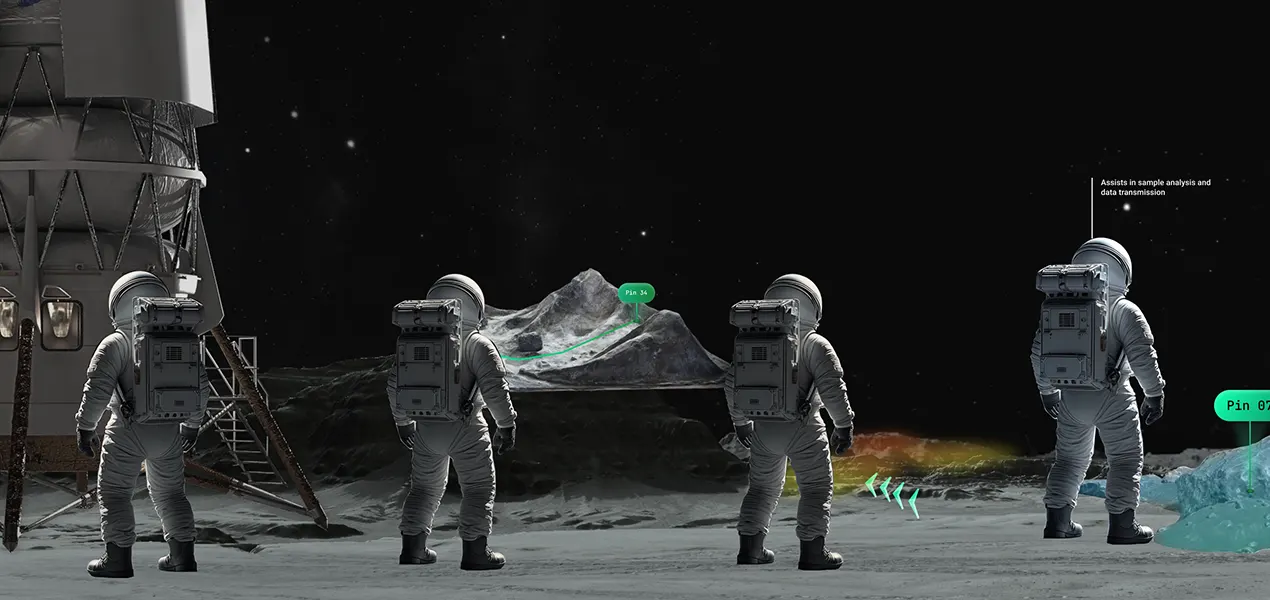
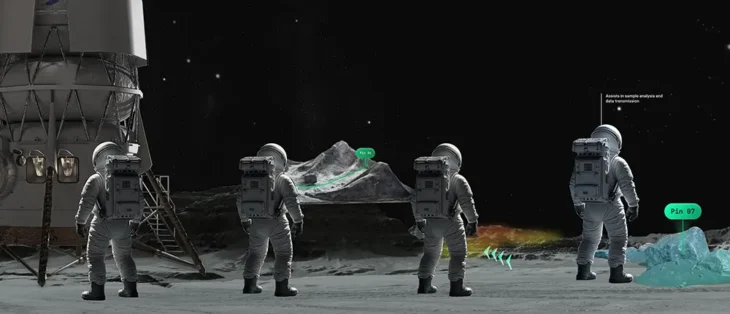
In parallel, he led the design of Pollen Nav, a navigation application created for allergy sufferers. The project received the 2025 Red Dot Award, New York Product Design Award Silver, European Product Design Award and the 2026 iF Design Award. Both Red Dot and iF rank among the world’s most respected design awards, with Red Dot alone attracting around 20,000 entries a year from over 70 countries and only accepting a small percentage. Taking both for the same project puts Pollen Nav in a rare position. Her work Ursa, an artificial intelligence augmented reality system developed to assist astronauts during lunar missions, received the Muse Design Award Gold and Indigo Design Award Gold 2026. In these two different bodies of work, it has been recognized by five independent international juries.
Pollen Nav’s origins were personal. In 2021, Shi was diagnosed with allergic asthma. She describes being awake at night, unable to sleep, returning to a single question: what if it was possible to avoid pollen before exposure instead of dealing with the consequences afterward. This question became the starting point of the project and reshaped the way it approaches design problems.
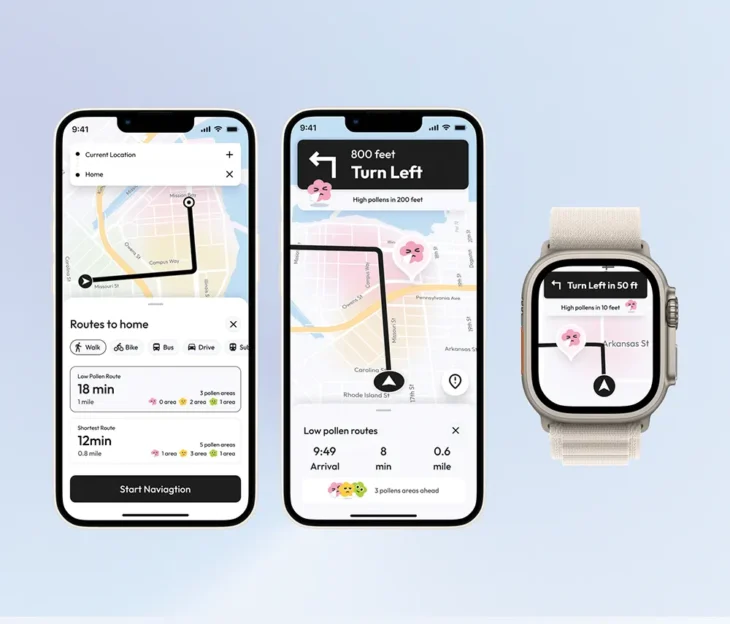
The first version explored detection through a device capable of identifying airborne pollen in real time. The limitations quickly became clear. Allergic responses vary too widely between individuals for a single device to work effectively at scale. The second iteration shifted the focus to prevention, introducing medication reminders and tracking to support the routines people with allergies already follow. The final version, developed between 2024 and 2025, extended the project to a collaborative platform. Users report their reactions to specific locations, the data is aggregated into a real-time network, and the system integrates with Google Maps to generate low-pollen route suggestions. China Daily covered the project in January 2026, identifying Shi as the lead designer and tracing the arc from personal experience to international recognition.
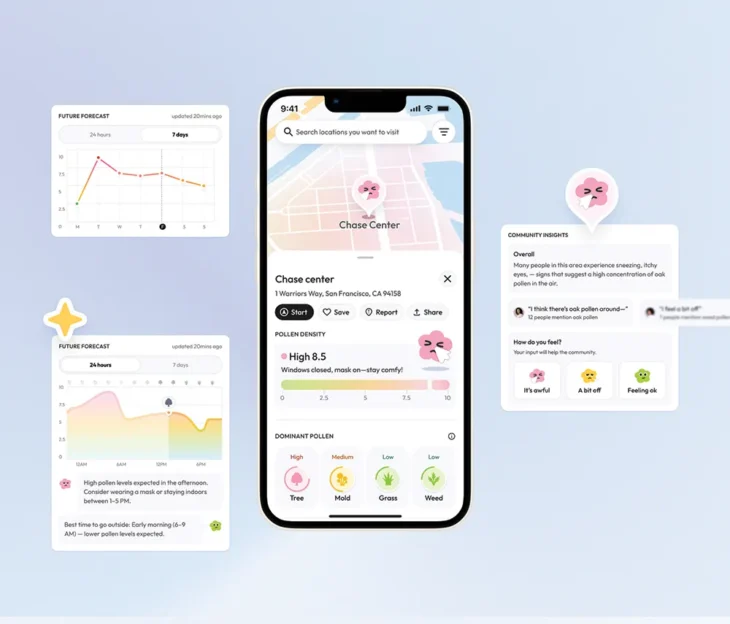
Project leadership required building and aligning a team from scratch. There were no inheritance processes and no established rules. Different contributors brought different expectations. Xi created space for open discussion and then translated that input into clear decisions. At the same time, the team developed a design system during product manufacturing. The ensuing recognition reflects the completeness of the system, from how users enter the system to how they return it, and how the community data they contribute increases its value over time.
At Lyft, design problems differ in context but have similar requirements. The airport remains one of the most complex environments for any mobility platform. A time-pressed rider navigating a multi-level terminal needs to get to the correct pick-up point without confusion, yet indoor GPS accuracy remains insufficient to provide a single reliable answer. Too many choices slow down the decision, too few create errors. Designing within this intensity, at the scale of tens of millions of riders, requires ground-level research. Xi studied airport layouts, categorized reception structures by scale, analyzed product performance in different types of spaces, and worked with business, engineering and business teams to understand the constraints shaping the system.
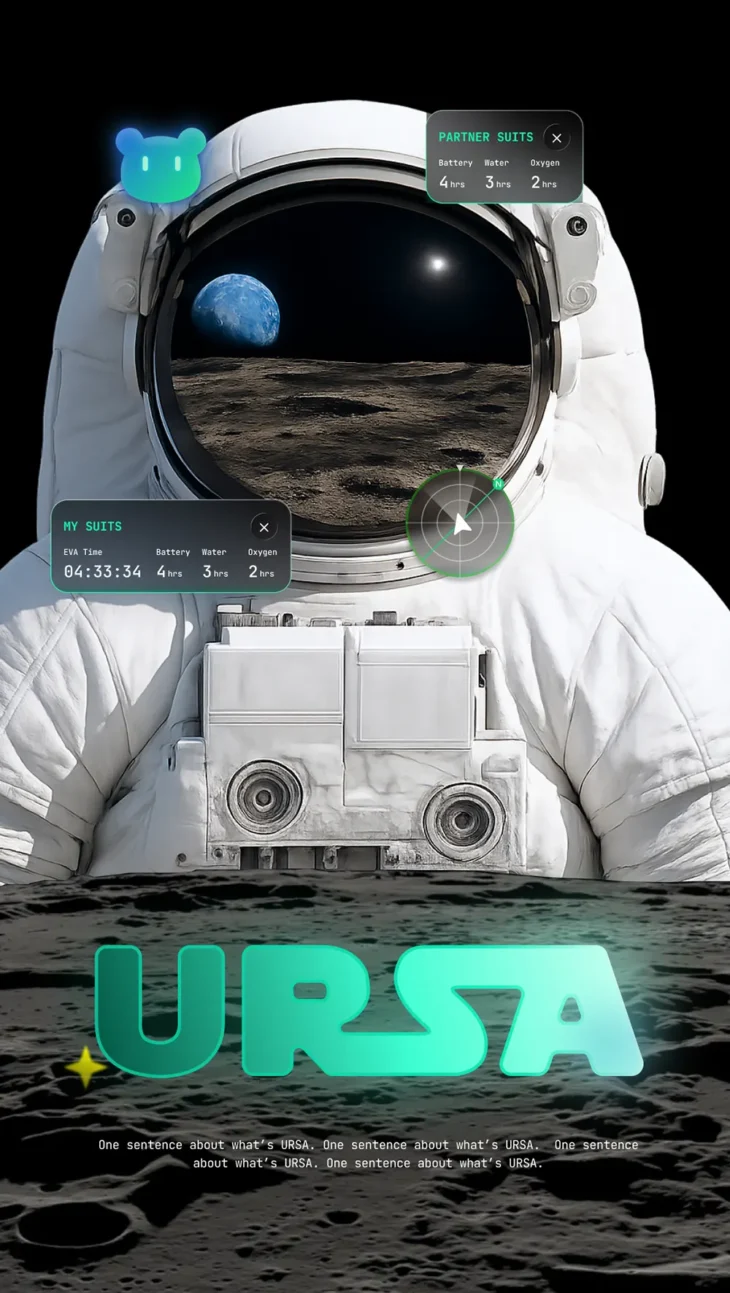
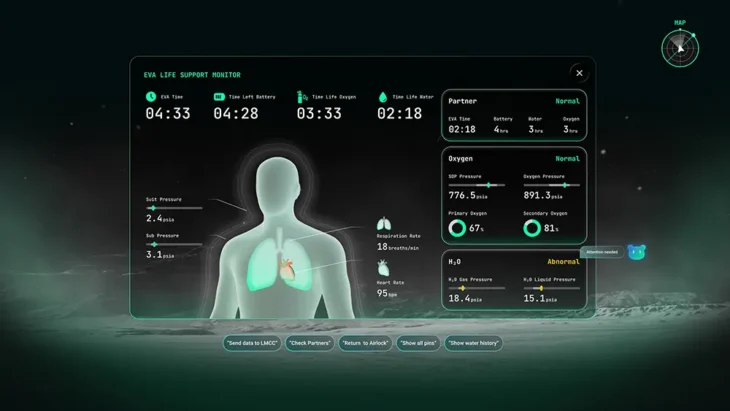
Ursa follows the same logic, applied to more extreme conditions. Astronauts on lunar missions operate with both hands occupied, maintain constant situational awareness, and cannot take on additional cognitive load. Any interface friction has real consequences. Ursa addresses this through voice interaction. The astronaut speaks, the system understands the context of the current task, predicts the next action and provides information exactly where it is needed. Two international gold awards confirm that the system works under the conditions for which it was designed.
What connects these projects is a consistent orientation. Pressure, whether from a personal health condition, the demands of a high-risk platform, or the constraints of a mission-critical environment, sharpens decision-making when the job is done well. Shi distinguishes product design from artistic expression with precision. Artists express, product designers solve. The task remains to make real-world decisions and provide systems that absorb complexity before it reaches the user.
Words by Zarko Davinic.
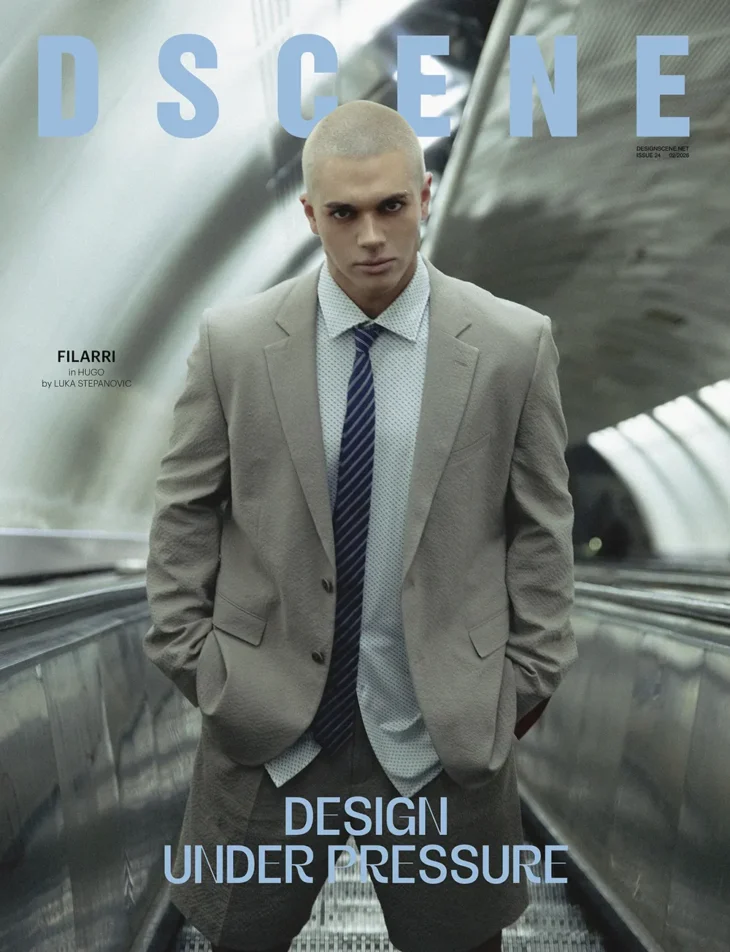
Originally published in the DSCENE issue “Design Under Pressure”.